Alkaline Clay Soils
Colorado's alkaline clay soils, typically pH 7.5–8.5 along the Front Range, create nutrient availability challenges that generic fertilizer programs cannot address.
Colorado landscapes demand a smart approach, where lawn care and tree services work together using products proven safe to support total yard health.
Great Western Tree Care provides comprehensive lawn care and turf management services for residential properties across the Denver metro area, combining ISA-Certified Arborist expertise with proven turf science.
Serving Colorado's Front Range · (720) 535-8769
Great Western Tree Care provides comprehensive lawn care and turf management services for residential properties across the Denver metro area and surrounding communities in Douglas and Arapahoe Counties.
Our team combines ISA-Certified Arborist expertise with proven turf science to address the unique challenges Colorado lawns face, from clay-heavy soils and intense UV exposure at elevation to seasonal drought stress and persistent pest pressure.
Whether your lawn needs targeted pest and fungus treatment or a complete seasonal maintenance program including deep root fertilization and supplemental watering, we deliver results that keep your turf healthy year-round.
Colorado's alkaline clay soils, typically pH 7.5–8.5 along the Front Range, create nutrient availability challenges that generic fertilizer programs cannot address.
Denver's elevation increases evapotranspiration rates due to lower atmospheric pressure, higher UV intensity, and typically lower humidity, causing lawns to lose moisture faster than at sea level.
Seasonal drought stress and persistent insect and disease pressure require monitoring and treatment timed to Colorado's specific climate patterns.
We use slow-release, organic fertilizers to nourish your lawn without harming the environment. Our customized blends promote strong root growth, vibrant color, and improved resistance to disease and pests.
Our natural weed control strategies effectively manage unwanted weeds without relying on harsh chemicals. We combine pre-emergent barriers, selective organic herbicides, and manual removal techniques.
We collect soil samples from multiple zones across your lawn, submit them to the Colorado State University Soil Testing Laboratory, and develop amendment programs based on actual deficiency data.
Colorado lawns contend with a specific set of damaging insects and diseases that thrive in the Front Range climate. Our IPM approach focuses on prevention and early identification.
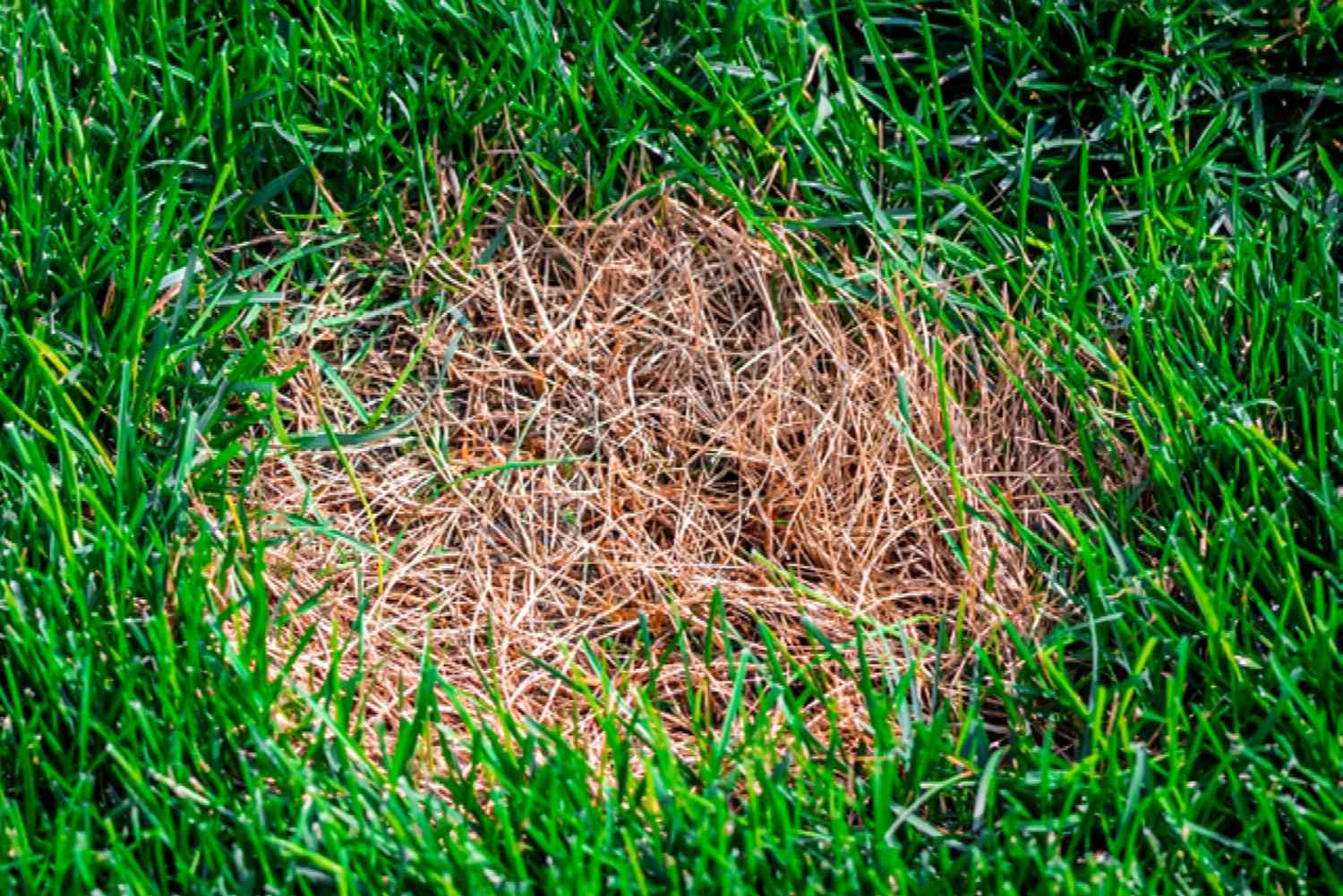
White grubs (larvae of Japanese beetles and masked chafers) feed on grass roots, creating irregular brown patches that lift easily from the ground. Cranberry girdler larvae attack bluegrass crowns, mimicking drought stress. Billbugs bore into grass stems, producing sawdust-like frass.
Treatment begins with identification through soil sampling and visual inspection, followed by targeted biological or chemical treatments timed to the pest's life cycle — including beneficial nematodes for grub suppression and bifenthrin-based granular treatments for surface feeders, applied around soil temperature thresholds (typically 55–60°F at 2-inch depth).
Necrotic ring spot, the most damaging lawn disease along the Front Range, produces ring and frog-eye patterns in Kentucky bluegrass, killing roots and crowns over successive seasons. Snow mold develops under prolonged snow cover; dollar spot, summer patch, and ascochyta leaf blight target grasses during specific temperature and moisture windows.
We combine cultural practices — proper mowing height, core aeration to reduce thatch, adjusted irrigation timing — with targeted fungicide applications (propiconazole and azoxystrobin-based, rotated to prevent resistance) when disease pressure warrants intervention.
Colorado's heavy clay soils compact easily under foot traffic, irrigation, and freeze-thaw cycles, restricting root growth and water infiltration.
We remove soil plugs at 2–3 inch depths across the lawn surface, opening channels for air, water, and nutrients to reach the root zone.
Early fall, typically September through mid-October, is the optimal aeration window, when cool-season grasses enter their primary growth phase and recover quickly.
Overseeding immediately after aeration places seed directly into the open cores where soil contact is optimal, using certified seed blends matched to site conditions.
Shade-tolerant fine fescue mixes for north-facing yards, drought-adapted tall fescue cultivars for full-sun exposures, and improved Kentucky bluegrass varieties for high-traffic areas.
Denver-area lawns require season-specific care aligned with Colorado's climate patterns, not a one-size-fits-all calendar.
We assess current turf conditions including species identification, soil compaction, thatch depth, irrigation coverage, and pest or disease symptoms.
Based on the evaluation and soil test results when warranted, we prepare a customized treatment plan with specific products, application timing, and expected outcomes.
Treatments are scheduled around optimal weather windows and coordinated with your irrigation schedule, with pre-application instructions provided as needed.
Our trained crew applies treatments using calibrated equipment to ensure accurate product rates across your entire lawn area, documenting every application.
We monitor treatment results at subsequent visits, adjust programs based on turf response, and provide seasonal recommendations for mowing and irrigation.
Lawn care costs in the Denver metro area vary based on property size, service scope, and the specific challenges your turf faces.
Our International Society of Arboriculture certifications reflect verified expertise in plant health care, including turf science and integrated pest management, that goes beyond standard lawn care training.
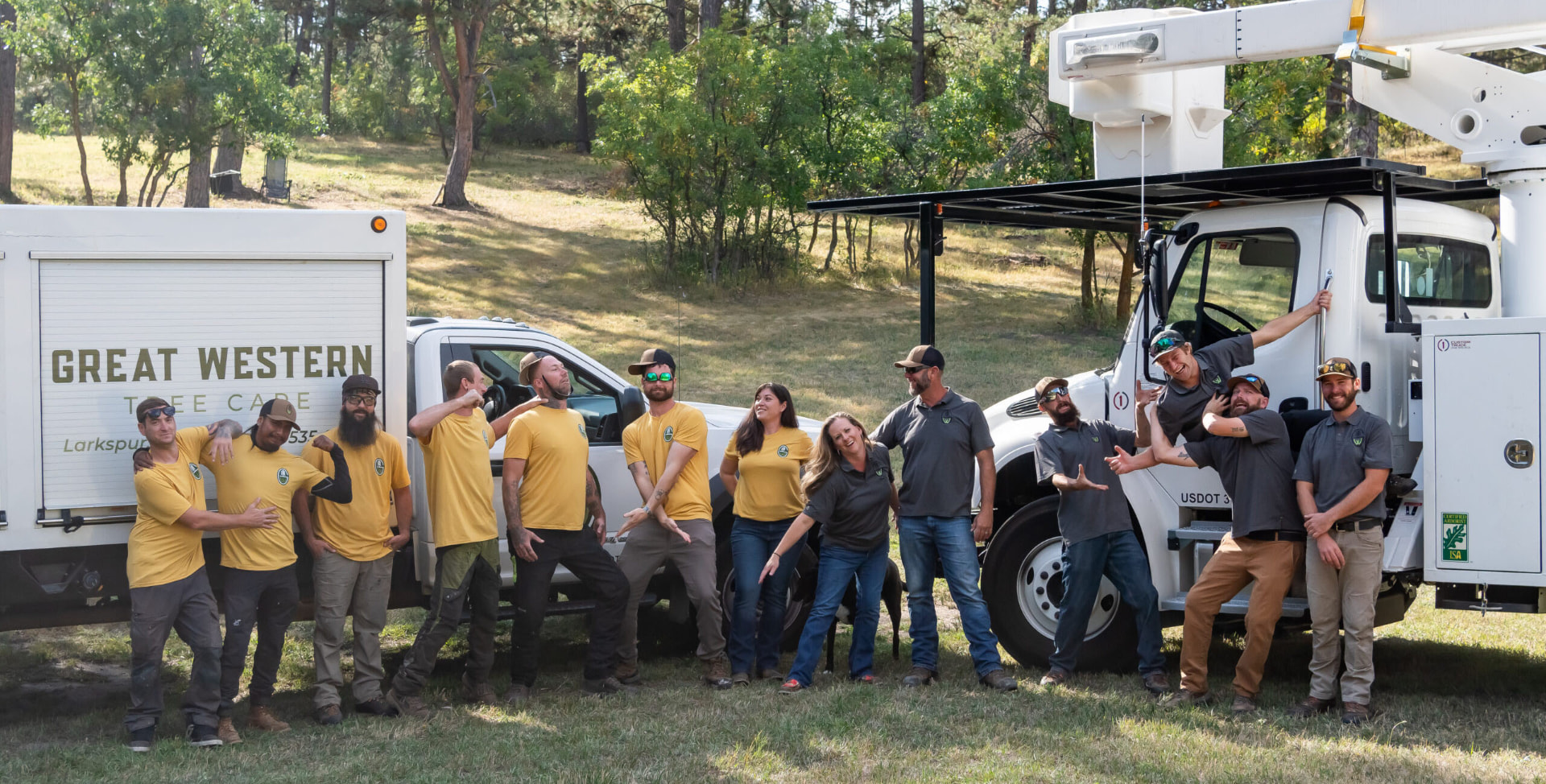
Early fall, typically September through mid-October, is the optimal aeration window for Front Range lawns. Cool-season grasses enter their primary growth phase during this period, allowing them to recover quickly before winter dormancy. Spring aeration is a secondary option but risks disturbing pre-emergent herbicide barriers applied for crabgrass prevention.
Brown patches during Denver summers can result from white grub feeding below the soil surface, necrotic ring spot fungus attacking bluegrass roots, insufficient irrigation coverage in specific zones, or compacted clay soils restricting water infiltration. Proper diagnosis requires examining the root zone and soil conditions rather than assuming drought stress alone.
Most Denver-area lawns benefit from 3–4 fertilizer applications per year: a balanced spring feeding after green-up, a light summer application if drought stress is manageable, a fall growth-phase application with slow-release nitrogen, and a late-fall winterizer before dormancy. Exact timing and formulations depend on your turf species and soil test results.
Yes. Denver's elevation, approximately 5,280 feet, increases evapotranspiration rates due to lower atmospheric pressure, higher UV intensity, and typically lower humidity. Lawns at elevation lose moisture faster than comparable turf at sea level. We recommend deeper, less frequent irrigation cycles that encourage root depth rather than shallow daily watering.
Kentucky bluegrass remains the most common lawn species across the Denver metro area due to its cold tolerance and self-repairing growth habit. Tall fescue varieties offer better drought tolerance and deeper root systems. Fine fescue blends work well in shaded areas beneath mature trees. Many properties benefit from blended stands.
Herbicide products, particularly those containing dicamba or triclopyr, can damage trees if applied incorrectly near root zones or during high-temperature periods when vapor drift occurs. Our team coordinates lawn treatments with overall landscape health, selecting products and application methods that protect existing trees while treating turf issues effectively.
Our lawn care crews serve residential properties throughout Douglas County, the Denver Metro, and surrounding Front Range communities from our Larkspur, Colorado headquarters.
Schedule a free on-site lawn evaluation with Great Western Tree Care today.
Serving Colorado’s Front Range