Arborist inspecting the trunk and canopy of a mature tree during a structural risk assessment
Diagnostic Arboriculture

Tree Risk Assessment

TRAQ-certified evaluation that identifies structural defects, quantifies failure risk, and prescribes preservation-focused solutions before a tree fails.

Great Western Tree Care's TRAQ-qualified arborists evaluate structural integrity using the ISA Best Management Practices for Tree Risk Assessment, producing documented reports that identify hazards, quantify risk levels, and recommend specific mitigation actions.

Serving Colorado's Front Range · (720) 535-8769

Purpose & Scope

Identifying Risk Before It Becomes Failure

Trees provide shade, beauty, and property value, but they also represent potential liability when structural defects, disease, or root compromise create conditions for failure. Great Western Tree Care provides professional tree risk assessment services for residential properties across the Denver metro area.

Our TRAQ-qualified arborists (Tree Risk Assessment Qualification, credentialed by the International Society of Arboriculture) evaluate tree structural integrity using the ISA Best Management Practices for Tree Risk Assessment framework.

The assessment process identifies hazardous trees, evaluates the likelihood and consequences of failure, develops mitigation strategies, and documents findings — producing a defensible record of tree condition, recommendations, and follow-up actions.

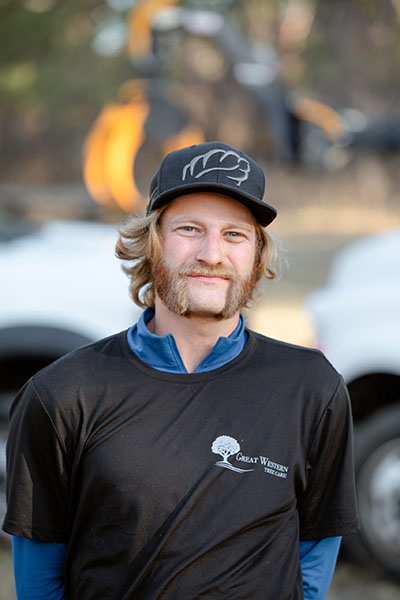
Morgan of Great Western Tree Care, Larkspur, Colorado
Inspection Methodology

The ISA Three-Level Assessment Framework

Our risk assessment process follows the ISA three-level framework, scaled to the property and the trees involved.

  1. 01

    Level 1: Limited Visual Assessment

    A property-wide screening that identifies obvious defects across a population of trees. Suited to larger lots or properties with many trees where a broad hazard screen is the priority.

  2. 02

    Level 2: Detailed Visual Assessment

    The standard for most residential assessments. Includes a full 360-degree trunk inspection, crown architecture analysis, root flare examination, and target-zone identification for individual trees near homes, driveways, walkways, and outdoor living areas.

  3. 03

    Level 3: Advanced Assessment

    Reserved for trees requiring diagnostic tools such as resistograph drilling, sonic tomography, or root collar excavation, when a Level 2 assessment cannot fully resolve the extent of internal decay or root compromise.

  4. 04

    Risk Rating & Documentation

    Findings are combined into an ISA-format risk rating and a written or verbal report, depending on the scope requested and whether the report will support insurance, legal, or real estate needs.

Structural Defect Identification

What Our Arborists Look For

Our TRAQ-qualified arborists identify and document structural defects that increase failure probability, evaluating each in context of its target zone.

Codominant Stems & Included Bark

Codominant stems with included bark unions are one of the most common failure points in Front Range shade trees. Bark trapped between two competing stems prevents strong wood formation at the union, creating a structurally weak seam.

Cracks & Cavities

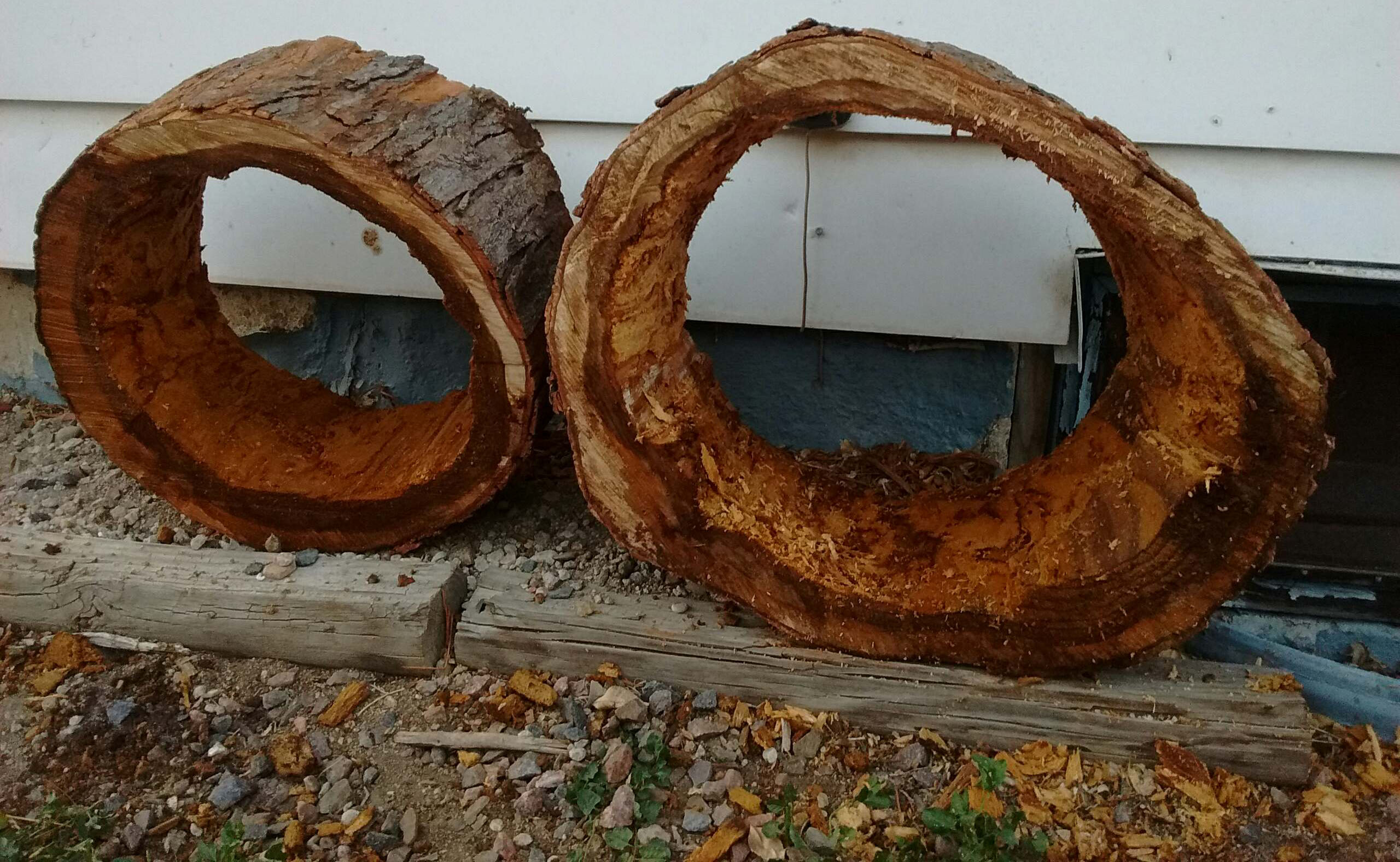
Cracks in the trunk or major scaffold branches, and cavities or decay pockets, compromise cross-sectional strength and are evaluated for depth, extent, and location relative to load-bearing wood.

Cankers & Disease

Cankers from disease organisms such as cytospora weaken branch and trunk tissue over time and are assessed alongside overall tree health.

Root Plate Defects

Severed roots, girdling roots, and soil grade changes can undermine stability long before visible symptoms appear in the canopy.

Each defect is evaluated in context: a cavity over an unused area represents different risk than the same cavity over a children's play area.

Root Zone & Canopy Assessment

Stability Starts Below Ground, Shows Up Above

Root system health directly determines tree stability, and canopy condition reveals both health status and structural risk.

01

Root Zone Assessment

We evaluate root plate condition by examining soil heaving, root exposure, and trunk lean, and identify root damage from construction, grade changes, soil compaction, and trenching that may have severed anchoring roots.

For properties where utility installations and hardscape construction frequently impact root zones, we assess whether root loss has compromised the tree's structural anchorage.

02

Canopy & Crown Assessment

We evaluate crown density, dieback patterns, leaf size and color, epicormic sprouting, and branch attachment quality throughout the canopy.

Asymmetric canopy development — where most foliage grows on one side due to light competition or storm damage — creates loading imbalances that increase failure risk during wind events. Dead branch distribution identifies immediate hazards requiring pruning regardless of overall tree condition.

Unique to Colorado

Front Range Conditions That Elevate Risk

Denver metro properties face specific hazard-tree conditions driven by local climate, soil, and species factors.

Heavy Spring Snow

April–May snowstorms load canopies with wet snow that exploits weak branch attachments.

Chinook Winds

Sustained 50+ mph wind events along the Front Range test compromised unions and root anchorage.

Freeze-Thaw & Drought

Freeze-thaw cycles create progressive frost cracking, while consecutive dry summers weaken wood fiber strength and promote secondary pest colonization.

Clay soil saturation during spring snowmelt reduces root anchorage when combined with wind loading.

Hazard Tree Identification

Defect Plus Target Equals Risk

A hazard tree is defined by two factors: a tree with structural defects that increase the likelihood of failure, and the presence of a target — a person, structure, vehicle, or other item of value — within the potential impact zone.

A tree with significant decay in a remote forest clearing poses minimal risk because no targets exist. The same tree in a backyard adjacent to a deck where a family gathers daily represents a high-risk situation. Our assessments evaluate both the likelihood of failure and the consequences of failure to produce meaningful risk ratings.

Residential Properties Near Structures

The most common scenario driving risk assessment requests is a mature tree positioned near a home, garage, fence, or outdoor living area. Owners of 40–80+ foot trees within striking distance of their homes benefit from periodic assessment to catch developing defects before failure.

Post-Storm & Real Estate Assessments

After significant storm events, trees with partial canopy failure, trunk cracks, or root plate lifting require assessment to determine whether they can be stabilized or should be removed.

Home buyers and sellers increasingly request documented assessments to establish existing tree conditions ahead of a transaction.

How We Work

Our Tree Risk Assessment Process

  1. 01

    Initial Consultation & Scope Definition

    We discuss your concerns, identify the trees to be assessed, determine the appropriate assessment level, and establish reporting requirements.

  2. 02

    On-Site Assessment

    Our TRAQ-qualified arborist conducts a systematic evaluation of each tree, inspecting the root zone, trunk, scaffold branches, and canopy for structural defects, disease symptoms, and environmental factors affecting stability.

  3. 03

    Risk Rating & Analysis

    We assign risk ratings following the ISA Tree Risk Assessment matrix, evaluating likelihood of failure, likelihood of impact on identified targets, and consequences of failure.

  4. 04

    Mitigation Recommendations

    We recommend specific actions to reduce identified risks, which may include pruning, cabling/bracing, target modification, monitoring schedules, or removal when other options cannot adequately reduce risk.

  5. 05

    Report Delivery & Follow-Up

    We deliver written assessment reports with findings, risk ratings, photo documentation, and mitigation recommendations, and can implement recommended treatments through our full-service tree care team.

Risk Ratings & Cost

From Risk Rating to Recommended Action

We assign risk ratings of Low, Moderate, High, or Extreme following the ISA Tree Risk Assessment matrix. Trees rated High or Extreme require prompt mitigation, typically within 30–90 days depending on the specific defect. Assessment cost depends on the number of trees, assessment level, and whether a written report is required.

Single Tree Level 2 (verbal report)per tree, depending on size/complexity
$150–$300
Single Tree Level 2 (written ISA-format report)per tree, with photo documentation
$250–$500
Property-Wide Level 1 Screeningdepending on tree count and property size
$300–$800
Multi-Tree Detailed Assessment (3–10 trees)with written reports
$500–$2,000+
Advanced Assessment (Level 3)per tree, resistograph/tomography/root excavation
$500–$1,500+

Cost factors specific to the Denver metro area include

  • Number of trees and lot size
  • Assessment level required
  • Insurance or real estate reporting standards
  • Recent construction near mature trees
  • Storm-damage or insurance-claim urgency
Request an Estimate
Expertise Matters

Why Great Western for Tree Risk Assessment

ISA-Certified Arborists
3ISA-Certified Arborists
Colorado Department of Agriculture Plant Health Care Qualified Supervisors
3Colorado Department of Agriculture Plant Health Care Qualified Supervisors
TRAQ-Certified Professionals
2TRAQ-Certified Professionals
Certified Treecare Safety Professional
1Certified Treecare Safety Professional
Since 2018
Family-OwnedSince 2018

TRAQ-qualified arborists follow ISA BMP methodology and produce reports that meet professional standards for insurers, real estate professionals, and legal proceedings — grounded in local knowledge of Front Range storm patterns, soils, and species-specific failure modes from our Larkspur headquarters.

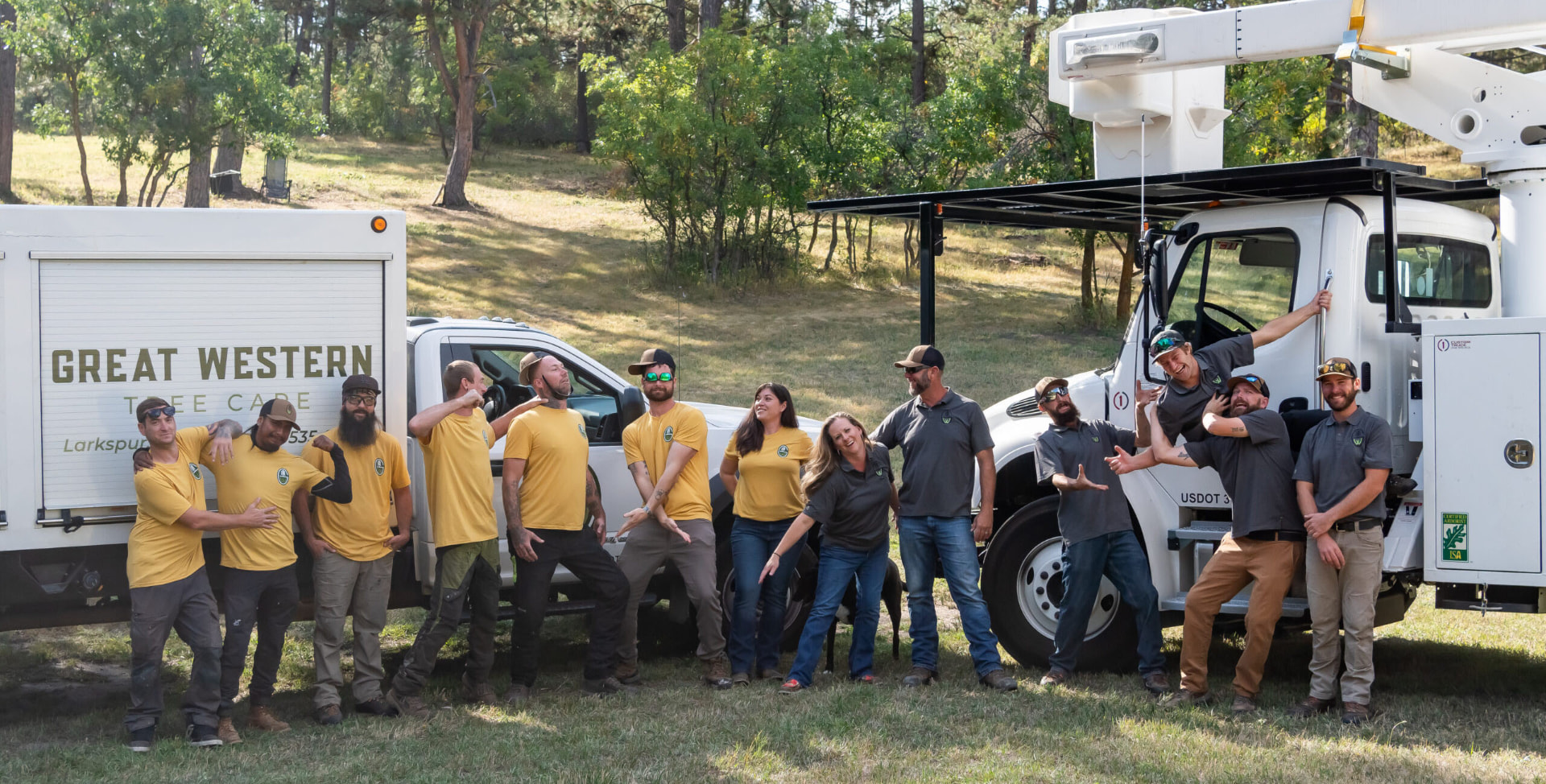
The Great Western Tree Care team with their branded trucks and bucket truck in Larkspur, Colorado
Common Questions

Tree Risk Assessment FAQ

What is a TRAQ assessment?

TRAQ stands for Tree Risk Assessment Qualification, a credential issued by the International Society of Arboriculture. TRAQ-qualified arborists follow a standardized methodology for evaluating tree structural integrity, identifying failure likelihood, and assigning risk ratings based on industry-accepted criteria, producing consistent, defensible assessments used by property owners, insurers, and legal professionals.

How often should trees be assessed for risk?

We recommend risk assessment every 3–5 years for mature trees near structures and high-use areas. Trees should be assessed sooner after significant storm events, visible changes in lean or crown condition, nearby construction activity, or the appearance of new cracks, cavities, or fungal fruiting bodies on the trunk.

Can a tree risk assessment save a tree from being removed?

Yes. Professional assessment often identifies mitigation options — including pruning to reduce end-weight, cabling to support weak unions, or pest treatment to halt decay progression — that reduce risk to acceptable levels without requiring removal. Removal is recommended only when other options cannot adequately address the identified risk.

Do insurance companies accept tree risk assessment reports?

ISA-format written reports from TRAQ-qualified arborists are widely accepted by insurance companies, homeowner associations, and legal professionals as credible documentation of tree conditions and risk levels. These reports can support insurance claims for storm-damaged trees and demonstrate due diligence in proactive property maintenance.

What happens if a tree is rated high risk?

Trees rated High or Extreme risk require prompt mitigation, typically within 30–90 days. Mitigation options may include targeted pruning, installation of supplemental support systems, target zone modification (moving items from beneath the tree), or removal if other measures cannot reduce risk sufficiently.

How long does a tree risk assessment take?

A Level 2 assessment for a single tree typically takes 30–60 minutes on-site, depending on tree size and complexity. Property-wide Level 1 screenings covering 20–50+ trees may require 2–4 hours. Written reports are delivered within 5–7 business days of the on-site assessment.
Colorado's Front Range

Tree Risk Assessment Across the Greater Denver Area

Great Western Tree Care provides TRAQ-qualified tree risk assessments throughout Douglas County, the Denver Metro, and surrounding Front Range communities from our Larkspur headquarters.

View All Service Areas
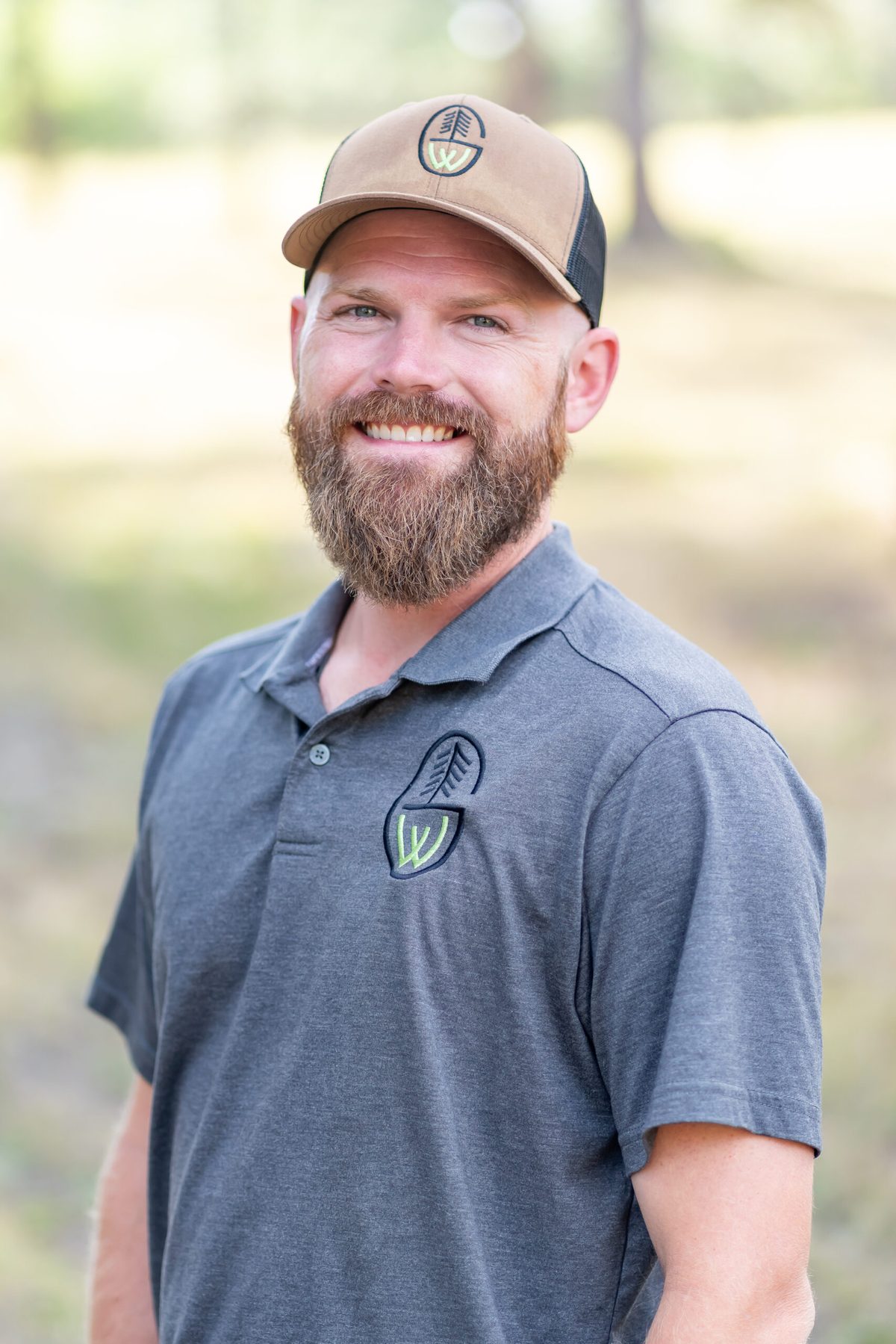
Nick Anderson, a Great Western Tree Care arborist, on a Colorado property
Nick Anderson, Sales Manager, Great Western Tree Care
Free Estimate

Don't wait for a storm to reveal a hazard.

Schedule a TRAQ-qualified tree risk assessment and get a documented, defensible risk rating with specific mitigation recommendations.

(720) 535-8769

Serving Colorado’s Front Range