To Treat or Not to Treat?
Should action be taken? If pests are identified, we look at the long-term economic threat and environmental conditions that could potentially be affected. Spraying pesticides is not always the answer.
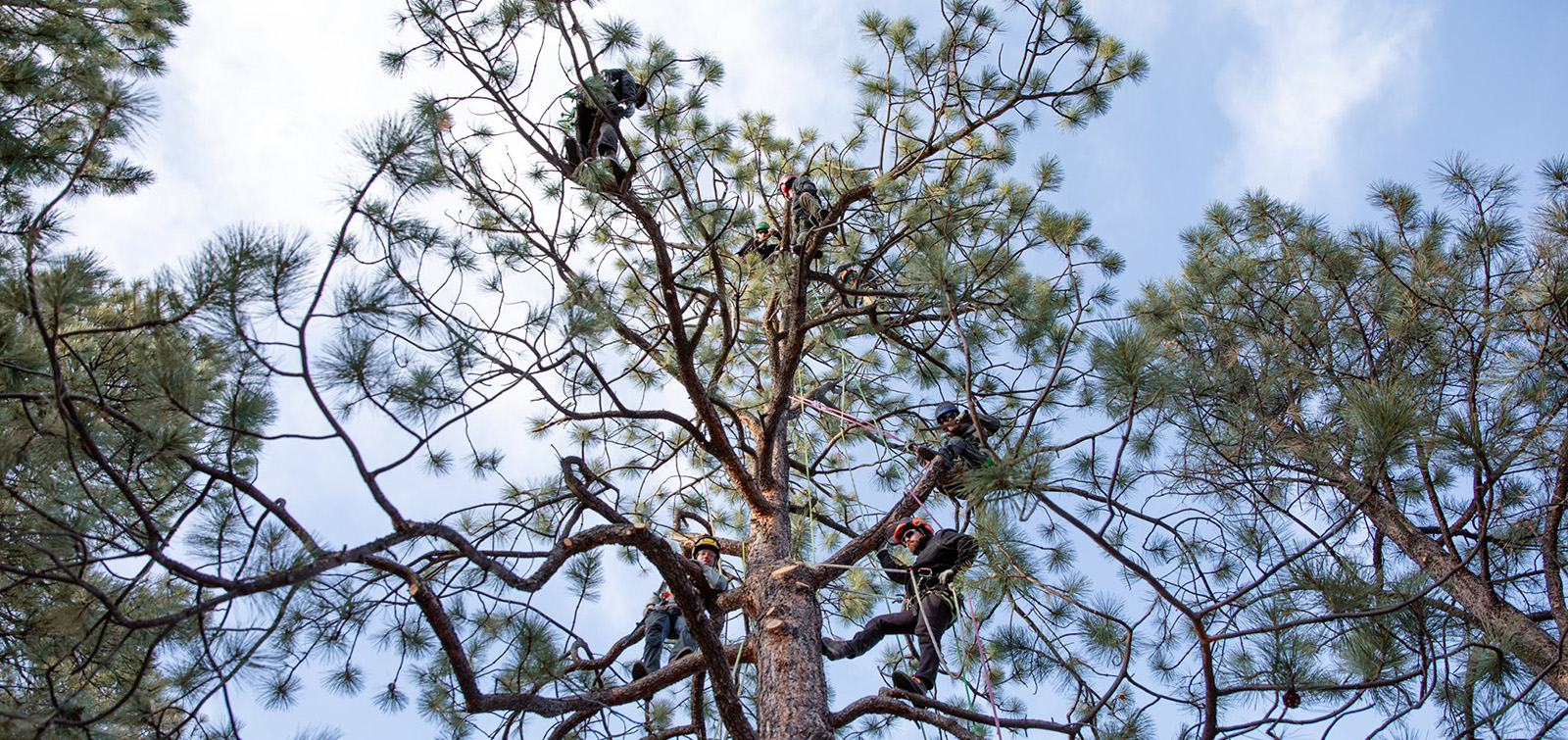
Comprehensive tree pest control and disease management for residential properties across the Denver metro area.
Colorado's Front Range supports a specific set of destructive insects and pathogens, from emerald ash borer and mountain pine beetle to cytospora canker and fireblight, each requiring precise identification and targeted treatment to prevent tree loss. Our ISA-Certified Arborists diagnose issues using field examination and laboratory analysis, then prescribe treatments based on the specific organism, tree species, infection severity and seasonal timing.
Serving Colorado's Front Range · (720) 535-8769
Great Western Tree Care provides comprehensive tree pest control and disease management for residential properties across the Denver metro area.
Colorado's Front Range supports a specific set of destructive insects and pathogens, from emerald ash borer and mountain pine beetle to cytospora canker and fireblight, each requiring precise identification and targeted treatment to prevent tree loss.
Our ISA-Certified Arborists diagnose pest and disease issues using field examination and laboratory analysis, then prescribe treatments based on the specific organism, tree species, infection severity and seasonal timing.
Combined with proper fertilization and supplemental watering to maintain overall tree vigor, integrated pest management keeps your trees healthy and your property protected.
IPM focuses on protecting your trees by understanding the entire ecosystem they live in — not just the pests that threaten them. Rather than relying on aggressive chemical treatments as a first step, our strategies include:
Should action be taken? If pests are identified, we look at the long-term economic threat and environmental conditions that could potentially be affected. Spraying pesticides is not always the answer.
By determining action thresholds, creating a specific plan for your property, and continually monitoring control methods, we can effectively decrease numbers of unwanted pests on your property.
If it is determined that preventative measures need to be taken, GWTC will work with you to create a plan through a variety of methods that best suit your landscape's needs.
We visit your property numerous times throughout the year to confirm that preventative or targeted action is working, and whether other biological, cultural or mechanical control methods may better suit your landscape.
Colorado's tree pests range from bark beetles at elevation to scale and borers in urban landscapes.
Bark beetles target stressed conifers throughout the Denver metro area, particularly ponderosa pine, lodgepole pine and spruce species at higher elevations like Larkspur, Castle Rock and Castle Pines.
Mountain pine beetle attacks produce pitch tubes on the trunk surface, while Ips beetle infestations cause rapid top-down browning of needles. Preventive trunk sprays using carbaryl or bifenthrin-based products applied before beetle flight season (typically April through June) create a contact barrier that kills beetles before they can bore into the bark. Once beetles have entered the tree, preventive sprays are ineffective and removal may be necessary to prevent spread.
Oystershell scale, pine needle scale and various aphid species affect ornamental and shade trees throughout Denver metro landscapes, weakening trees by extracting sap and producing honeydew that promotes sooty mold growth.
We use horticultural oil applications timed to the crawler stage for scale insects, and systemic neonicotinoid treatments for aphid control when populations exceed damage thresholds. Crawler emergence windows last only 2–3 weeks and vary by species and annual weather.
Beyond EAB, several borer species target Front Range trees. Lilac/ash borer attacks ash and lilac trunks, producing frass-filled exit holes and bark swelling. Bronze birch borer targets stressed birch, causing crown dieback. Zimmerman pine moth larvae bore into pine branch junctions, creating pitch masses at wound sites.
Treatment strategies vary by species: trunk injection for systemic borers, targeted spray applications for surface borers, and cultural practices including proper pruning to reduce stress that attracts these insects.
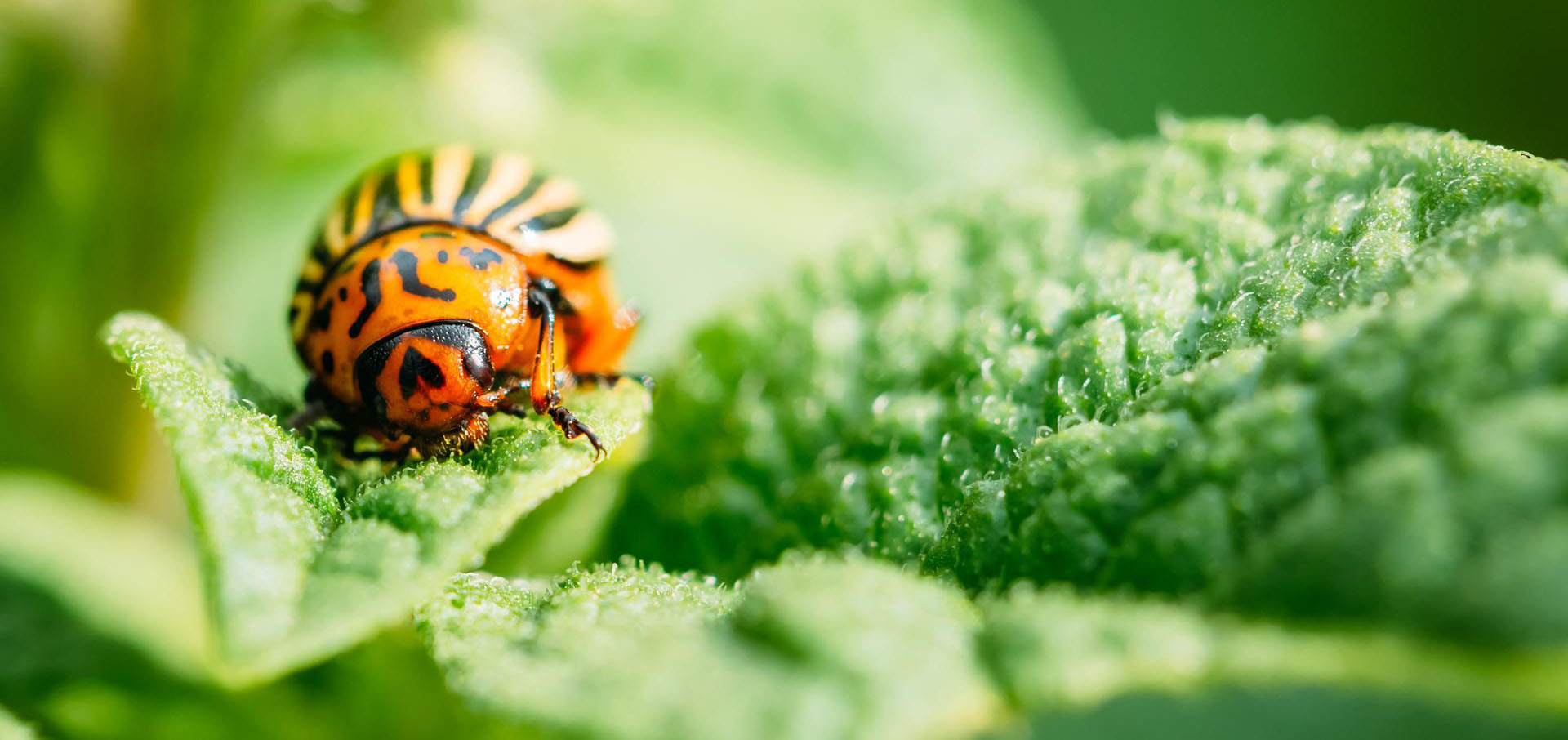
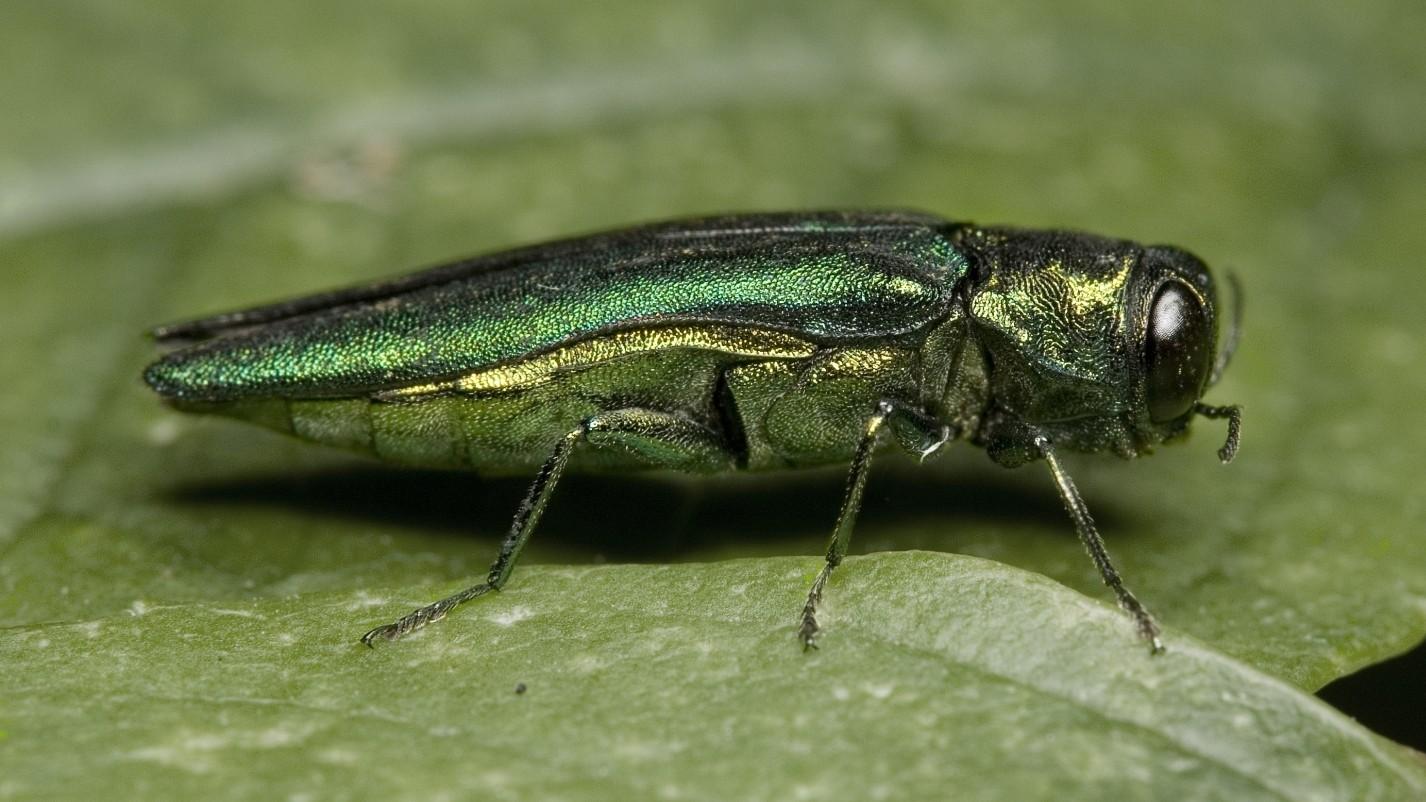
The emerald ash borer (EAB) is a highly destructive invasive insect native to northeast Asia. It was unintentionally introduced to North America in the 1990s, likely via solid wood packing material used in shipping, with the first confirmed U.S. detection in 2002 in Detroit, Michigan.
In Colorado, EAB was first detected in 2013 in Boulder County, likely introduced via infested nursery stock, and has since spread to several other counties including Denver, Adams and Jefferson, threatening Colorado's estimated 1.3 billion ash trees.
EAB larvae feed beneath the bark in the cambium layer, creating serpentine galleries that sever the tree's nutrient and water transport system, killing untreated ash trees within 3–5 years of infestation. Early symptoms include canopy thinning starting at the top, D-shaped exit holes in the bark, and increased woodpecker activity. Adult beetles are metallic green and about 1/2 inch long, and can disperse up to 2 miles on their own — or up to 75 miles via human-assisted transport such as firewood.
"I've been a Certified Arborist for 10 years. Tree care is my passion, it is my life, and I truly fear what is going to happen to the beauty of neighborhoods across the Front Range. There will be a day when you turn down a residential road in your HOA and every ash tree is either dead or declining because the HOA either couldn't afford or chose not to treat their ash populations. As a homeowner, unfortunately you have no control over that, but you do have control over the decision to treat the ash on your property." — Chad Szpunar, Owner, GWTC
We treat vulnerable ash trees with systemic insecticide injections, primarily emamectin benzoate (TREE-äge), delivered directly into the trunk vascular system. Trunk injections provide 2–3 years of protection per treatment cycle and are the most effective delivery method for EAB control in established trees.
Treatment must begin before infestation reaches approximately 30% canopy loss; beyond that threshold, tree health cannot be reliably recovered.
Not every ash tree is worth treating. Poor candidates include trees with significant structural defects, small trees under 10" diameter, trees near or under power lines, trees with substantial stress from other pests, and trees already infested with more than 30% canopy decline.
Treatment must be applied every two years indefinitely, so owners should weigh the long-term cost versus benefit of treating each ash tree on their property.
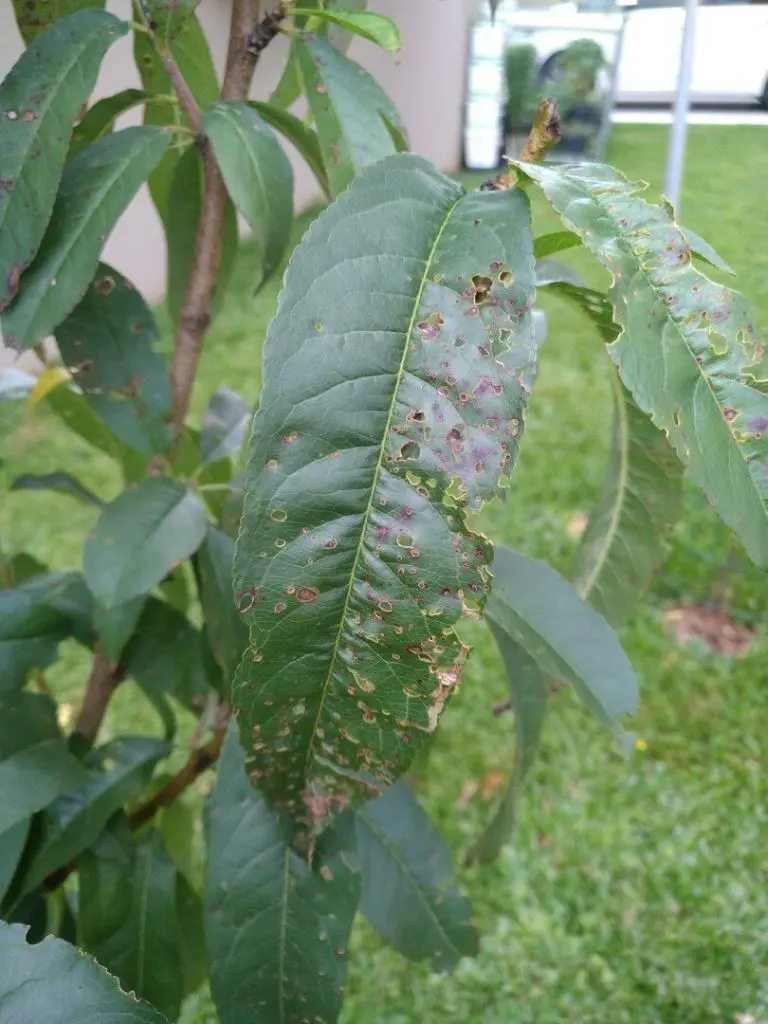
The most common disease affecting spruce trees along the Front Range, particularly Colorado blue spruce over 15 years old. The fungus enters through wounds or stressed branch tissue, producing resinous cankers that girdle branches from the lower canopy upward.
There is no chemical cure; management focuses on removing infected branches with proper pruning cuts, reducing tree stress through watering and fertilization, and improving air circulation within the canopy.
A bacterial disease caused by Erwinia amylovora, affecting apple, crabapple, pear, mountain ash and other rosaceous trees common in Denver landscapes. Infected branches develop a characteristic "shepherd's crook" bend with blackened, water-soaked leaves.
We prune infected branches 12–18 inches below visible symptoms during dry weather, sterilizing tools between cuts. Preventive copper-based bactericide sprays applied at bloom stage reduce infection risk in high-value specimens.
American elms throughout Denver's established neighborhoods remain susceptible to Dutch elm disease, transmitted by elm bark beetles carrying the Ophiostoma fungus. Symptoms include flagging branches with yellowing, wilting leaves, often starting on one side of the canopy.
Preventive fungicide injections using propiconazole protect high-value elms for 2–3 year treatment cycles. Prompt removal of confirmed infected trees prevents beetle-mediated spread to adjacent elms.
Rhizosphaera needle cast causes progressive needle loss on spruce trees, producing a thin, sparse appearance over 2–3 years. Dothistroma needle blight targets Austrian and ponderosa pines with reddish-brown needle banding. Western gall rust produces spherical galls on pine branches that weaken structural integrity.
Fungicide treatments using chlorothalonil or copper-based products applied during spring needle emergence provide effective control when timed to the specific pathogen's spore release window.
Most residential landscapes across Highlands Ranch, Lone Tree and Parker contain a mix of deciduous shade trees, ornamental species and evergreen conifers, each with distinct pest vulnerabilities.
Our integrated approach monitors the entire tree inventory and prioritizes treatments based on threat severity and tree value rather than treating every issue with equal urgency.
Denver-area properties with multiple ash trees face a time-sensitive decision as emerald ash borer expands across the Front Range. We conduct canopy health assessments to determine which ash trees are viable candidates for treatment and which have declined beyond the recovery threshold.
This evaluation helps property owners allocate pest management budgets effectively, treating healthy specimens and scheduling removal and replacement planting for trees that cannot be saved.
Communities along the foothills, including Roxborough Park, Castle Pines and Larkspur, experience elevated bark beetle pressure due to larger conifer populations and drought stress at elevation.
Preventive bark beetle spray programs for ponderosa pine and spruce are essential on these properties, particularly following drought years when beetle populations surge.
We examine your trees for pest and disease symptoms — bark condition, canopy density, foliage discoloration, exit holes, frass, fungal fruiting bodies and other diagnostic indicators — to identify the specific organism causing damage.
Based on diagnosis, we prescribe targeted treatments specifying products, application methods, timing and expected outcomes, including cost-benefit analysis for trees where treatment viability is uncertain.
We schedule treatments during optimal application windows, which vary by pest species and treatment method. Some treatments require specific temperature ranges, phenological timing or pre-treatment watering.
Our licensed crew applies treatments using calibrated equipment: trunk injection systems, airblast sprayers, soil drench applicators, or targeted bark sprays. We document every application with product names, rates and environmental conditions.
We monitor treatment effectiveness at subsequent visits, check for new pest activity, and adjust ongoing management programs based on results. Annual re-evaluation ensures evolving pest pressures are addressed proactively.
Costs vary based on the organism, treatment method, tree size and number of trees requiring treatment.
Accurate pest and disease identification is the foundation of effective treatment. Headquartered in Larkspur, Colorado, we monitor regional pest trends — including EAB expansion, bark beetle flight patterns and disease outbreak conditions — that affect properties across Douglas County, the Denver Metro, and surrounding Front Range communities, and ensure safe, compliant application of every product we use.
Early signs include thinning canopy starting at the top of the tree, D-shaped exit holes approximately 1/8-inch wide in the bark, S-shaped larval galleries visible under loose bark, increased woodpecker activity, and epicormic sprouting (water sprouts) along the trunk and major branches. If you notice these symptoms, contact an ISA-Certified Arborist immediately; early treatment significantly improves survival outcomes.
Preventive bark beetle sprays must be applied before beetle flight season, typically April through early June along the Front Range. Once beetles have successfully bored into the trunk, preventive sprays cannot reach them beneath the bark. Annual preventive treatment is recommended for high-value pines in areas with active beetle populations.
Recovery depends on the pest species, severity of damage and the tree's overall health before infestation. Trees with less than 30% canopy loss from EAB can often be treated successfully. Bark beetle infestations that have reached the cambium layer throughout the trunk are typically fatal. Our arborists assess each tree's recovery potential before recommending treatment or removal.
Trunk injection treatments, our preferred method for systemic insect control, deliver products directly into the tree's vascular system with no external spray residue. When foliar or bark spray applications are necessary, we use products labeled for residential use, apply them according to EPA guidelines, and communicate re-entry intervals for treated areas.
Pest control targets insects, including emerald ash borer, bark beetles, scale, aphids and borers, using insecticides delivered through trunk injection, soil drench or bark spray. Disease treatment addresses fungal and bacterial pathogens, such as cytospora canker, fireblight, needle cast and Dutch elm disease, using fungicides, bactericides or cultural practices like pruning and sanitation. Many tree health issues involve both pest and disease components that require integrated treatment approaches.
Frequency depends on the specific pest and treatment method. EAB trunk injections provide 2–3 years of protection. Bark beetle preventive sprays require annual application before flight season. Fungicide treatments for needle cast may need 2–3 consecutive spring applications to achieve control. Our arborists design programs with the minimum effective treatment frequency to protect your trees while managing costs.
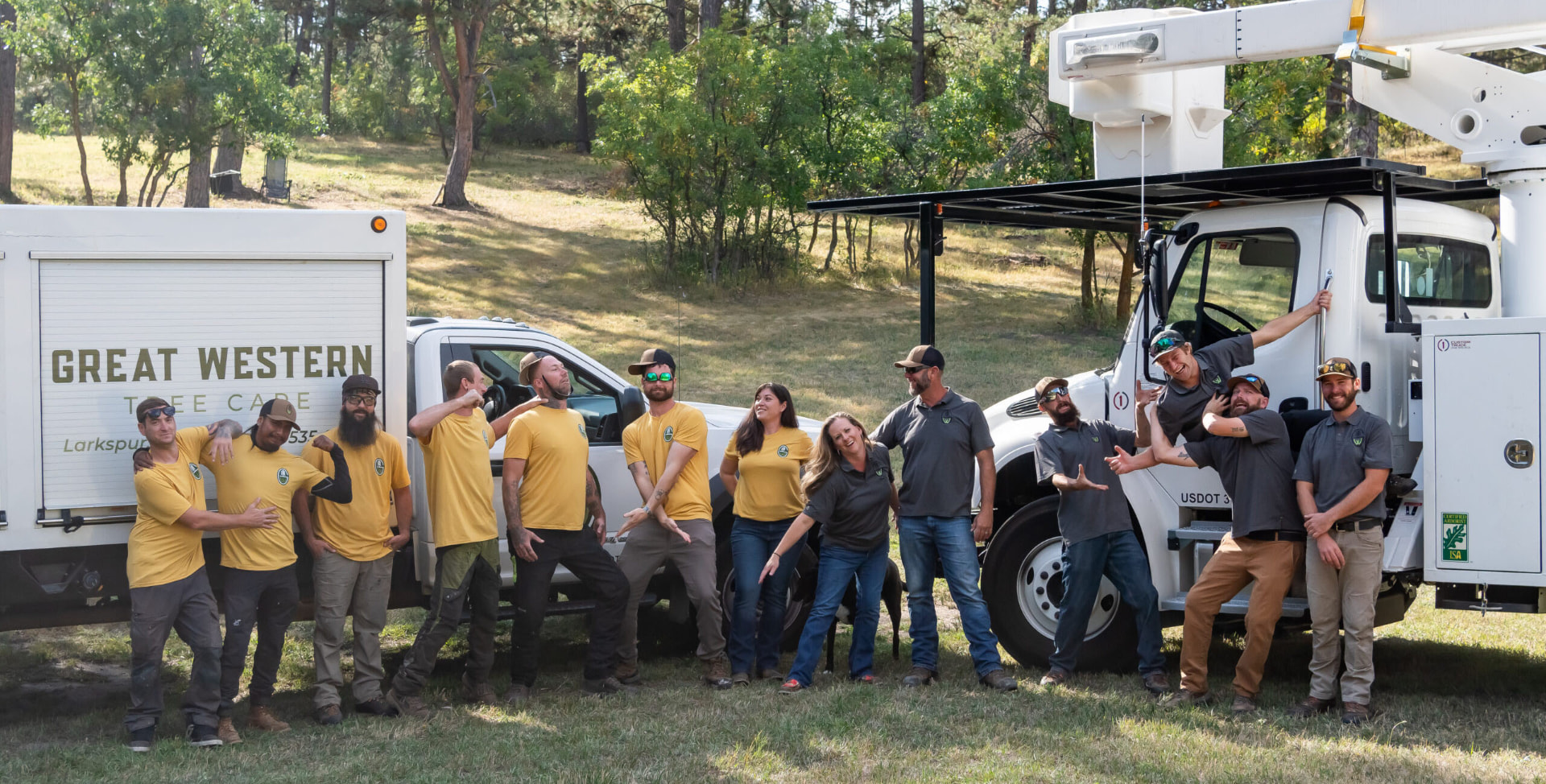
Our tree pest management crews serve residential properties throughout Douglas County, the Denver Metro, and surrounding Front Range communities from our Larkspur, Colorado headquarters.
Great Western Tree Care provides expert diagnosis and targeted treatment programs for every pest and disease threatening trees in the Denver metro area. Schedule your free on-site tree health inspection today.
Serving Colorado’s Front Range