
TREE SERVICE IN CASTLE PINES
Professional Tree Service in Castle Pines, CO — Expert Trimming, Removal, and Reliable Care for Your Trees, Year-Round.

Your Trusted Tree Service In Castle Pines
Great Western Tree Care provides comprehensive tree services for homeowners throughout Castle Pines and the surrounding Castle Pines Village community. From mature Ponderosa pine maintenance on hillside lots to ornamental tree pruning in HOA-governed neighborhoods, our ISA-Certified Arborists deliver reliable care tailored to Castle Pines' unique terrain and covenant requirements. Whether you need tree pruning and trimming to maintain clearance from your roofline, tree removal for a hazardous standing dead tree, or a full tree risk assessment following a windstorm, our team handles it from start to finish. Call (720) 535-8769 to schedule your free on-site estimate.
Tree Services in Castle Pines
Castle Pines sits at approximately 6,200 feet in elevation along the Interstate 25 corridor between Castle Rock and Lone Tree. The community's heavily wooded lots — many exceeding one acre — create significant tree care demands that standard lawn care companies cannot address. Our ISA-Certified Arborists deliver specialized services designed for this community's specific species, soil, and terrain conditions.
Tree Pruning and Trimming
Castle Pines properties feature dense stands of Ponderosa pine, Austrian pine, and Douglas fir that require structural pruning to reduce wind resistance and maintain healthy crown ratios. Our crews perform crown thinning, deadwood removal, and clearance pruning to maintain proper setbacks from structures and utility lines. HOA architectural guidelines in Castle Pines Village and Castle Pines North frequently dictate specific canopy maintenance standards that we follow precisely.
Tree Removal
Slope-side properties in Castle Pines present removal challenges that require advanced rigging techniques. We dismantle trees in sections using crane-assisted removal when access is limited, protecting decks, fences, and neighboring vegetation. Beetle-killed Ponderosa pines, storm-damaged trunks, and trees compromising foundation drainage are the most common removal requests we handle in this community.
Stump Grinding
After removal, remaining stumps attract Ips beetles and other wood-boring insects that can spread to healthy trees nearby. Our stump grinding equipment reduces stumps 6–12 inches below grade, and we backfill with clean topsoil and native seed mix to restore your landscape. Castle Pines' rocky decomposed granite soils occasionally require specialized grinding heads designed for embedded stone.
Tree Planting
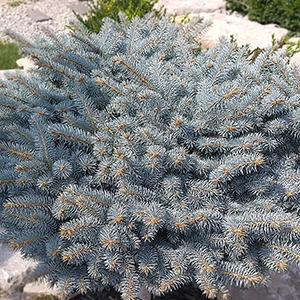
Replacing removed trees with well-adapted species maintains property values and neighborhood character. Our tree planting services include species selection based on sun exposure, soil composition, and mature canopy size. For Castle Pines lots, we typically recommend Colorado blue spruce, Bristlecone pine, Gambel oak, and native serviceberry — all species proven to thrive at this elevation and soil type.
Tree Pest & Disease Management
Mountain pine beetle, Ips engraver beetle, and Western spruce budworm are the primary pest threats in Castle Pines. Our integrated pest management programs include preventive carbaryl trunk sprays, systemic imidacloprid treatments, and pheromone monitoring to detect infestations before they spread. Douglas fir tussock moth has caused periodic defoliation events in the Castle Pines area, and early identification is critical for treatment success.
Tree Fertilization & Soil Health
Castle Pines' alkaline clay and decomposed granite soils often lack the organic matter and iron content that trees need for vigorous growth. Our deep root fertilization programs inject slow-release nutrients directly into the root zone at 8–12 inch depth, bypassing compacted surface layers. We customize formulations based on soil test results — iron chlorosis is particularly common in this area and requires chelated iron supplements.
Tree Watering Programs
Castle Pines receives only 16–18 inches of precipitation annually, and supplemental watering is essential for tree survival — especially newly planted and transplanted specimens. Our tree watering programs include deep root soaking during summer drought periods and critical winter watering between November and March when frozen ground prevents natural moisture absorption.
Tree Risk Assessment
Castle Pines' hillside topography and forested lots create elevated wildfire and windthrow risk. Our ISA-certified risk assessments evaluate structural integrity, root plate stability, target zones, and species-specific failure patterns. We provide detailed written reports that satisfy insurance documentation requirements and HOA compliance — particularly valuable for properties bordering open space and trail corridors.
Tree Cabling & Bracing
Mature Ponderosa pines with codominant stems and wide-spreading crowns are vulnerable to splitting during Colorado's sudden wind events and heavy wet snow. Our tree cabling and bracing installations use Cobra dynamic cabling systems and through-bolt bracing hardware to preserve structurally compromised but otherwise healthy specimen trees that homeowners want to retain.
Lawn Care
Healthy turf supports healthy trees by maintaining consistent soil moisture and microbial activity. Our lawn care services include aeration, overseeding with drought-tolerant fescue blends, fertilization programs tailored to Castle Pines' alkaline soils, and targeted grub and fungus treatments.
Unique To Castle Pines
Castle Pines’ rolling terrain, dense pines, and exposure to wind and snow can put added stress on your trees, so our local team provides tailored trimming, safe removals, and proactive care to keep your landscape healthy and your property looking its best year-round.
Tree Care Articles
The Castle Pines Tree Care Landscape
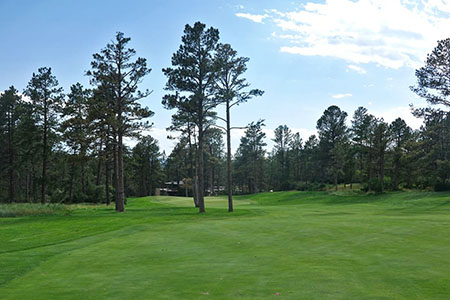
Castle Pines is an unincorporated Douglas County community developed primarily in the 1980s and 1990s across rolling terrain between Happy Canyon Road and the I-25 corridor. The community is divided into two primary areas: Castle Pines Village — a gated community surrounding the Country Club at Castle Pines golf course — and Castle Pines North, which incorporated as the City of Castle Pines in 2007.
The native tree canopy consists predominantly of Ponderosa pine with scattered Douglas fir, Colorado blue spruce, and Gambel oak scrub. Landscaped lots add Austrian pine, bristlecone pine, aspen, and various ornamental species including crabapple, hawthorn, and Japanese lilac. Elevations range from roughly 6,000 to 6,500 feet, placing Castle Pines in the transitional zone between grassland prairie and montane forest — a zone where tree species face stress from both heat exposure and altitude-related UV intensity.
Soil conditions across Castle Pines vary from heavy clay in lower elevations near Lagae Road to decomposed granite and Castle Rock conglomerate on upper ridgelines. Many properties feature shallow bedrock that limits root development, making trees more susceptible to windthrow during severe weather events.
The Aurora reservoir system and Cherry Creek State Park provide significant green corridors through the city, and many residential properties adjacent to these open spaces contain mature cottonwood groves and native riparian species that require management to prevent encroachment and hazard limb development over fences and structures.
Common tree species across Aurora include honeylocust (the most prevalent street and yard tree), green ash (now threatened by emerald ash borer), Colorado blue spruce, Austrian pine, crabapple, linden, hackberry, and various maple cultivars. Each species presents distinct management requirements that our ISA-Certified Arborists address through tailored care programs.
Common Tree Care Challenges in Castle Pines
Our years of experience working in Castle Pines have familiarized us with the challenges specific to this community:
Mountain Pine Beetle Pressure: Castle Pines' mature Ponderosa pine stands are prime targets for mountain pine beetle (Dendroctonus ponderosae). Drought-stressed trees with reduced sap flow are most vulnerable. We implement preventive bark spray treatments in spring and recommend proactive thinning to reduce stand density and competition for water.
Wildfire Fuel Reduction: Castle Pines borders extensive open space and wildland areas along Daniels Park and the Chatfield Basin. Douglas County's Community Wildfire Protection Plan identifies portions of Castle Pines as Wildland-Urban Interface (WUI) zones. We create defensible space by pruning lower limbs to 10 feet, thinning dense clusters, removing dead standing trees, and chipping slash to reduce fuel loads.
Alkaline Soil and Iron Chlorosis: Castle Pines soils frequently test above pH 7.5, causing iron deficiency that manifests as yellowing between leaf veins — particularly in red maples, aspens, and pin oaks. Our soil amendment and deep root fertilization programs correct pH imbalances and deliver chelated micronutrients directly to root zones.
HOA Architectural Standards: Both Castle Pines Village and the City of Castle Pines enforce tree-related covenants including minimum canopy requirements, approved species lists for new plantings, and removal approval processes. We prepare documentation supporting removal requests and recommend compliant replacement species.
Wind and Snow Loading: Castle Pines' exposed ridgeline lots experience sustained winds that create asymmetric crown growth and branch stress. Heavy spring snowstorms — common in March and April — load evergreen canopies with wet snow. We perform structural pruning to reduce wind sail and install cabling systems on multi-trunk trees prone to splitting.
Shallow Bedrock and Poor Drainage: Properties on Castle Rock conglomerate substrate have limited soil depth for root development. Trees on these sites are inherently less stable and require more frequent risk assessment. We install supplemental support systems and recommend species with naturally shallow, spreading root architectures.
Permits and Regulations in Castle Pines
The City of Castle Pines requires permits for the removal of certain protected trees on residential properties. The city's Municipal Code (Chapter 16.20) addresses tree preservation within new development, and individual removal requests may require a replacement planting plan. Douglas County land use regulations apply to unincorporated parcels within the Castle Pines Village gate.
Castle Pines Village HOA maintains its own architectural review process for tree removal, new plantings, and landscape modifications. Approval from the Design Review Committee is typically required before any significant tree work begins. The City of Castle Pines also enforces weed abatement and wildfire mitigation standards that may apply to vegetation management on residential lots.
Our team manages all permit and HOA approval documentation, including arborist letters justifying removal, replacement planting plans, and Douglas County wildfire mitigation compliance reports.
FAQ's About Tree Service in Castle Pines
Why Choose Great Western Tree Care in Castle Pines
ISA-Certified Arborists (RM-8830A, RM-8831A): Our crew leaders hold International Society of Arboriculture certifications — the industry's gold standard for tree care knowledge and safety practices. Certification requires documented field experience, passing comprehensive examinations, and ongoing continuing education.
Headquartered in Larkspur: Our operations base in Larkspur places us just minutes from Castle Pines along the I-25 corridor. This proximity means faster response times for storm damage, shorter travel charges, and crews who know the local tree species, soil conditions, and HOA requirements from daily experience.
20+ Years of Douglas County Experience: We have maintained trees across Castle Pines, Castle Rock, Larkspur, and the surrounding Douglas County communities for two decades. Our institutional knowledge of this area's specific pest cycles, soil challenges, and weather patterns directly improves the accuracy of our assessments and treatment recommendations.
Fully Licensed and Insured: We maintain comprehensive general liability and workers' compensation insurance covering all crew members and equipment. Insurance certificates are available upon request for HOA documentation requirements.
TCIA Accredited: Tree Care Industry Association accreditation verifies that our company meets the industry's highest standards for safety, professionalism, and business practices. Fewer than 400 tree care companies nationwide hold this accreditation.
Our Tree Care Process
Step 1 — On-Site Consultation: We visit your Castle Pines property, evaluate tree health and structural conditions, identify species-specific risks, and discuss your goals — whether that's hazard reduction, aesthetic pruning, or long-term canopy management.
Step 2 — Assessment and Estimate: Based on the consultation, we prepare a detailed scope of work with itemized costs. For complex projects involving multiple trees or HOA approval requirements, we include supporting documentation and arborist recommendations.
Step 3 — Permits and Approvals: We file removal permit applications with the City of Castle Pines, prepare HOA Design Review Committee submissions, and obtain all required approvals before scheduling work.
Step 4 — Tree Work Execution: Our crews arrive with properly sized equipment for your specific site conditions. We follow ANSI A300 pruning standards, use ANSI Z133 safety protocols, and protect your landscape throughout the process — including turf protection mats, debris containment, and careful equipment staging.
Step 5 — Site Cleanup and Follow-Up: We chip brush on-site, haul logs, rake and blow all work areas, and conduct a walkthrough with you to confirm satisfaction. For ongoing maintenance plans, we schedule follow-up visits based on species growth rates and seasonal timing.
Castle Pines Neighborhoods We Serve
- Our crews work throughout Castle Pines' residential communities:
- Castle Pines Village • Castle Pines North • The Retreat • Elk Ridge • Happy Canyon Estates • Castle Pines Townhomes • Timbers at Castle Pines • Lagae Ranch • Lost Canyon • Bristlecone
Schedule Your Castle Pines Tree Care Consultation
Great Western Tree Care provides detailed project estimates following on-site evaluations at your Castle Pines property. We assess tree health, structural conditions, and site-specific factors before preparing proposals with itemized scope and pricing. Our proximity in Larkspur means we can typically schedule consultations within days of your initial call.
Call (720) 535-8769 to arrange your free on-site evaluation, or use the form below to request an estimate.

Great Western Tree Care
Larkspur, CO Location
Mon - Fri: 8a to 5p
9575 Spruce Mountain Rd
Larkspur, CO 80118
(720) 535-8769
Aurora, CO Location
Mon - Fri: 8a to 5p
10730 E Bethany Dr
Aurora, CO 80014
(303) 325-3541