
TREE SERVICE IN LARKSPUR
Professional Tree Service in Larkspur, CO — Expert Trimming, Removal, and Reliable Care for Your Trees, Year-Round.

The Most Reliable Tree Service in Larkspur
Great Western Tree Care is headquartered in Larkspur and provides comprehensive tree services throughout this rural Douglas County community. From native ponderosa pine and Douglas fir care on large acreage properties to ornamental tree pruning and trimming in residential neighborhoods near Spruce Mountain Open Space, our ISA-Certified Arborists deliver reliable care tailored to Larkspur's high elevation environment and diverse forest conditions. Whether you need tree removal for a beetle-killed pine, a tree risk assessment on mature trees near structures, or tree planting to establish windbreaks and privacy screens, our local team handles it from start to finish. Call (720) 535-8769 to schedule your free on-site estimate.
Tree Services in Larkspur
Larkspur is a rural community of approximately 300 residents in central Douglas County, located along I-25 at elevations ranging from 6,500 to 7,500 feet. The community sits at the transition zone between the high plains to the east and the Front Range foothills to the west, creating diverse growing conditions that support both native forest species and introduced ornamentals. Properties range from small residential lots near the town center to large acreage ranches and estates with extensive forest stands. Our ISA-Certified Arborists deliver specialized services designed for Larkspur's specific elevation, soil conditions, forest management requirements, and wildfire mitigation needs.
Tree Pruning and Trimming
Larkspur properties feature native ponderosa pine, Douglas fir, and Rocky Mountain juniper mixed with introduced species including blue spruce, Austrian pine, ornamental crabapples, and various deciduous shade trees planted around homes and outbuildings. These trees require regular crown cleaning, structural pruning, and clearance cuts to maintain safe distances from structures, power lines, and access routes. Our crews follow ANSI A300 pruning standards and adapt techniques to each species — selective thinning for dense pine canopies to reduce wildfire risk, deadwood removal on aging Douglas fir, and crown raising on trees overhanging driveways and roadways. Large acreage properties often require forest health pruning that balances aesthetic goals with defensible space requirements and forest ecosystem management.
Tree Removal
Beetle-killed ponderosa and lodgepole pine, storm-damaged Douglas fir, declining blue spruce affected by needlecast and ips beetle, and hazard trees threatening structures are the most common removal requests in Larkspur. Rural lot sizes allow for felling when conditions permit, but proximity to homes, barns, fences, and utility infrastructure often requires sectional dismantling with rigging systems. Crane-assisted removal is available for large trees adjacent to structures or in locations with difficult access. We coordinate with Mountain View Electric Association and Xcel Energy for removals near overhead power lines. Forest thinning projects for wildfire mitigation may involve removal of dozens of trees per acre following Colorado State Forest Service guidelines.
Stump Grinding
After removal, remaining stumps attract wood-boring insects, interfere with property management, and present hazards for equipment operation. Our stump grinding equipment reduces stumps 6–12 inches below grade, and we backfill with clean topsoil and native seed mix. Larkspur's rocky, clay-based soils require heavy-duty grinding equipment capable of processing stumps in challenging terrain. We can access stumps on steep slopes, in forested areas, and across large acreage properties using tracked grinders and portable equipment.
Tree Planting
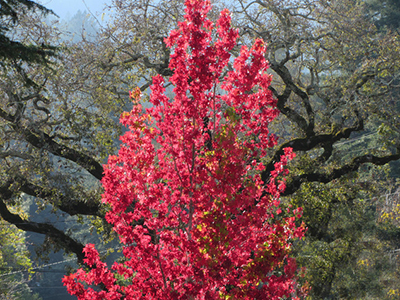
Establishing new trees on Larkspur properties supports windbreak creation, privacy screening, wildlife habitat, and forest restoration following removals. Our tree planting services include species selection based on elevation, sun exposure, soil composition, intended purpose, and long-term site conditions. For Larkspur's high elevation environment, we primarily recommend native species including ponderosa pine, limber pine, Douglas fir, quaking aspen, and Rocky Mountain juniper that evolved in these specific growing conditions. Ornamental options for protected locations near homes include Accolade elm, Autumn Blaze maple, and various crabapple cultivars. We source stock from high-elevation nurseries to ensure cold hardiness and successful establishment.
Tree Pest & Disease Management
Mountain pine beetle and ips beetle represent the most urgent tree pest control threats in Larkspur, attacking ponderosa, lodgepole, and limber pine during drought periods and following forest stress events. We provide preventive treatments using carbaryl or permethrin sprays applied to tree trunks during beetle flight periods (typically April–July), protecting individual high-value trees from infestation. Additional pest concerns include spruce beetle on Engelmann spruce, needlecast diseases (Rhizosphaera and Stigmina) on blue spruce, cytospora canker on stressed conifers, and western tent caterpillar on ornamental species. Emerald ash borer is present in Douglas County but poses less threat in Larkspur due to limited ash populations.
Tree Fertilization & Soil Health
Larkspur sits on decomposed granite and clay-based soils that are naturally rocky, well-drained, and moderately acidic — different from the alkaline clay loams common in lower-elevation Front Range communities. Our deep root fertilization programs inject slow-release nutrients directly into the root zone at 8–12 inch depth, delivering essential elements that support growth and stress resistance. We customize formulations based on soil test results and species requirements. Native conifers typically require minimal fertilization, while introduced deciduous species benefit from supplemental nitrogen, phosphorus, and trace elements. Iron chlorosis is less common in Larkspur than in alkaline-soil communities, but some maples and ornamental species still show deficiency symptoms requiring iron chelate treatments.
Tree Watering Programs
Supplemental watering is essential for tree survival in Larkspur's high-elevation semi-arid climate, particularly for newly planted trees, ornamental species, and conifers under beetle attack stress. Our tree watering programs include deep root soaking during summer drought periods and critical winter watering between November and March when frozen ground prevents natural moisture absorption. Newly planted trees require consistent watering during their first three growing seasons as root systems establish in Larkspur's rocky soils. Native species growing in natural forest conditions typically survive without supplemental water, but individual landscape trees benefit from irrigation during extended drought.
Tree Risk Assessment
Larkspur experiences high winds funneling through the I-25 corridor, heavy wet spring snow, summer thunderstorms, and occasional tornado activity. Our ISA-certified risk assessments evaluate structural integrity, root plate stability, target zones (homes, barns, utility lines, access roads), and species-specific failure patterns. We provide detailed written reports that satisfy insurance requirements, property transaction needs, and wildfire mitigation documentation. Forest stands require broader assessment approaches that evaluate stand density, fuel loading, and beetle mortality patterns rather than individual tree evaluations.
Tree Cabling & Bracing
Mature trees with codominant stems, included bark, and wide-spreading crowns benefit from supplemental support systems, particularly when located near homes, barns, or high-traffic areas. Our tree cabling and bracing installations use Cobra dynamic cabling systems and through-bolt bracing hardware to preserve structurally compromised but otherwise healthy trees. This is particularly valuable for landmark trees that define property entrances or provide unique aesthetic value on rural estates.
Lawn Care
Established turf grass is less common in Larkspur than in lower-elevation suburban communities, but properties with irrigation systems and ornamental landscaping near homes benefit from professional maintenance. Our lawn care services include aeration to improve water infiltration in clay-based soils, overseeding with high-elevation grass blends (fine fescue, mountain bluegrass), fertilization programs adapted to short growing seasons, and targeted pest treatments. Many Larkspur properties maintain native grass and wildflower meadows rather than irrigated turf, reducing water requirements and maintenance needs.
Unique To Larkspur
Larkspur trees face higher elevation conditions, colder winters, and strong winds that can stress roots and limbs. Combined with rocky soils and wildfire risk, proper pruning, spacing, and ongoing care are critical to keep trees healthy and defensible year-round.
Tree Care Articles
The Larkspur Tree Care Landscape
Larkspur occupies a strategic location in central Douglas County where I-25 passes through a narrow corridor between Spruce Mountain to the west and the high plains to the east. The town was established in the 1870s as a railroad stop and stage station along the Denver and Rio Grande Railroad. Modern Larkspur remains a small, rural community with properties ranging from quarter-acre residential lots to multi-hundred-acre ranches and estates.
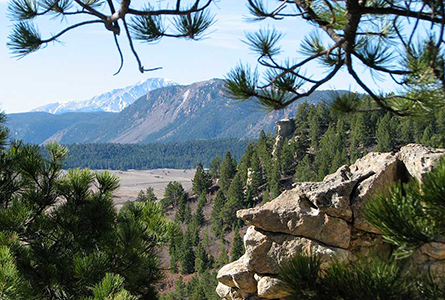
The landscape transitions from ponderosa pine and Douglas fir forest on western hillsides and north-facing slopes to open grassland with scattered Rocky Mountain juniper on eastern and south-facing exposures. Drainages support quaking aspen, narrowleaf cottonwood, and various willows. Residential properties feature a mix of native forest stands preserved from original land clearing, plus introduced ornamental species planted around homes for shade, windbreaks, and aesthetic purposes.
Spruce Mountain Open Space, Perry Park, and Greenland Open Space provide extensive public forest lands adjacent to private properties. The Larkspur area experiences high winds, heavy snow loads, and wildfire risk that shapes forest composition and management priorities. Wildfire mitigation and defensible space creation are primary concerns for property owners living in the wildland-urban interface.
Great Western Tree Care is headquartered in Larkspur, making our team intimately familiar with local growing conditions, property types, and community needs. Our proximity means faster response times, detailed knowledge of individual properties, and ongoing relationships with Larkspur landowners.
Common Tree Care Challenges in Larkspur
Our experience working throughout Larkspur has familiarized us with the challenges specific to this high-elevation community:
Mountain Pine Beetle and Ips Beetle Pressure: Douglas County experiences endemic levels of bark beetle activity that intensifies during drought periods and following forest stress events. Ponderosa and lodgepole pine are primary hosts. Early detection and preventive treatments protect high-value individual trees, while heavily infested stands require systematic removal and thinning to prevent epidemic-level mortality. Beetle-killed standing dead trees (snags) present significant hazard risks near structures and access routes.
Wildfire Mitigation Requirements: Properties in Larkspur's wildland-urban interface require defensible space management following Colorado State Forest Service and Douglas County guidelines. Zone 1 (0–15 feet from structures) typically requires removal of all conifers and flammable vegetation. Zone 2 (15–100+ feet) requires forest thinning to reduce fuel loading and crown fire potential. We design and implement wildfire mitigation plans that balance safety requirements with forest health and aesthetic goals.
High-Elevation Growing Conditions: Short growing seasons, temperature extremes, intense UV radiation, and limited frost-free days challenge tree establishment and survival. Species selection must account for USDA Hardiness Zone 5b conditions, with winter lows reaching -15°F and occasional late spring or early fall freezes. Native species adapted to these conditions generally outperform introduced ornamentals requiring protected microclimates.
Rocky, Shallow Soils: Larkspur's decomposed granite and clay-based soils are rocky, well-drained, and often shallow over bedrock. These conditions limit rooting depth and water-holding capacity. Tree planting requires careful site preparation, soil amendment, and establishment care. Stump grinding encounters embedded rock that accelerates equipment wear. Root systems spreading over rock surfaces create structural instability during high winds.
Limited Water Availability: Many Larkspur properties rely on wells, cisterns, or limited water rights from Greenland Reservoir. Water conservation shapes landscape decisions, favoring drought-tolerant native species over water-demanding ornamentals. Supplemental irrigation for newly planted trees and high-value landscapes requires careful water budgeting and efficient delivery systems.
Wildlife Interaction: Elk, deer, black bear, and mountain lion regularly move through Larkspur properties. Elk browsing damages young trees and ornamental plantings. Bears strip bark from ponderosa pine during sap flow periods. Wildlife-resistant fencing, tree guards, and species selection strategies mitigate these impacts while respecting wildlife movement corridors and habitat values.
Permits and Regulations in Larkspur
Larkspur is located in unincorporated Douglas County, with land use regulations handled by the Douglas County Planning Division and Douglas County Community Development. Tree removal on private property generally does not require a county permit unless trees are located within protected riparian areas, designated open space easements, or conservation easements.
Properties within designated wildfire hazard zones may be subject to Douglas County wildfire mitigation requirements that mandate defensible space creation and fuels reduction. The Colorado State Forest Service provides technical assistance and cost-share programs for wildfire mitigation projects.
Some Larkspur properties fall under HOA or property owner association covenants that establish tree-related requirements, particularly in planned developments like Perry Park. Covenant requirements vary by subdivision and may include approval processes for tree removal, specifications for forest management, and architectural review for landscape changes.
Properties with conservation easements held by organizations like Douglas Land Conservancy may have additional vegetation management restrictions requiring coordination with easement holders before tree work begins.
Our team manages all required documentation, coordinates with Douglas County when necessary, and assists property owners with HOA approvals and conservation easement compliance to ensure projects proceed without regulatory complications.
FAQ's About Tree Service in Larkspur
Why Choose Great Western Tree Care in Larkspur
ISA-Certified Arborists (RM-8830A, RM-8831A): Our crew leaders hold International Society of Arboriculture certifications — the industry's gold standard for tree care knowledge and safety practices. Certification requires documented field experience, passing comprehensive examinations, and ongoing continuing education in current best practices including high-elevation forest management and wildfire mitigation strategies.
Headquartered in Larkspur: Our operations base is located in Larkspur, making us your local tree care provider with intimate knowledge of community conditions, property types, and landowner needs. Our proximity ensures faster response times, familiarity with individual properties, and ongoing relationships with Larkspur residents. We live and work in this community.
20+ Years of Front Range Experience: We have maintained trees across Larkspur, Castle Rock, Highlands Ranch, Parker, and surrounding Douglas County communities for two decades. Our institutional knowledge of high-elevation forest conditions, beetle cycles, wildfire risk, and weather patterns directly improves the accuracy of our assessments and treatment recommendations.
Wildfire Mitigation Expertise: We design and implement defensible space projects following Colorado State Forest Service guidelines and Douglas County requirements. Our forest thinning, ladder fuel removal, and fuels reduction services create fire-adapted landscapes that protect structures while maintaining forest health and aesthetic values.
Large Property Experience: Many Larkspur properties span multiple acres with extensive forest stands requiring coordinated management. Our equipment, staffing, and operational capacity handle large-scale projects including multi-acre thinning, hazard tree removal throughout forest stands, and comprehensive forest health programs.
Fully Licensed and Insured: We maintain comprehensive general liability and workers' compensation insurance covering all crew members and equipment. Insurance certificates are available upon request for property owner associations and conservation easement documentation.
TCIA Accredited: Tree Care Industry Association accreditation verifies that our company meets the industry's highest standards for safety, professionalism, and business practices. Fewer than 400 tree care companies nationwide hold this accreditation.
Our Tree Care Process
Step 1: On-Site Consultation: We visit your Larkspur property, evaluate forest conditions and individual tree health, assess wildfire risk and defensible space requirements, identify beetle infestation patterns, and discuss your management goals — whether that's hazard reduction, forest health, wildlife habitat, or aesthetic improvement.
Step 2: Assessment and Estimate: Based on the consultation, we prepare a detailed scope of work with itemized costs. For large acreage projects, we provide forest management plans that prioritize work phases over multiple years. For wildfire mitigation projects, we include documentation that satisfies Douglas County requirements and qualifies for available cost-share programs.
Step 3: Permits and Approvals: We coordinate with Douglas County when required, prepare property owner association submissions when applicable, and work with conservation easement holders to ensure compliance with deed restrictions. For wildfire mitigation projects, we document work to satisfy county defensible space requirements.
Step 4: Tree Work Execution: Our crews arrive with equipment appropriate for your site conditions — from climbing gear and chainsaws for individual tree work to tracked equipment and log trucks for large-scale operations. We follow ANSI A300 pruning standards, use ANSI Z133 safety protocols, and protect your property throughout the process — including erosion control on slopes, wildlife consideration during nesting seasons, and careful equipment operation to minimize soil disturbance.
Step 5: Site Cleanup and Follow-Up: We chip slash on-site for erosion control and soil improvement, haul logs, and leave properties in neat condition appropriate to rural settings. For ongoing forest management, we schedule follow-up visits based on forest health monitoring and seasonal timing. We provide post-project documentation for wildfire mitigation compliance and conservation easement reporting.
Larkspur Neighborhoods We Serve
Our crews work throughout the Larkspur area and surrounding rural Douglas County:
- Larkspur Town Center • Perry Park • Spruce Mountain Estates • Greenland • Cherokee Ranch and Castle • West Creek Ranch • Hunt Club • Palmer Lake area properties • Northern El Paso County rural properties • Monument Hill area
Schedule Your Larkspur Tree Care Consultation
Great Western Tree Care provides detailed project estimates following on-site evaluations at your Larkspur property. We assess forest conditions, individual tree health, wildfire risk, beetle activity, and site-specific factors before preparing proposals with itemized scope and pricing. As your local Larkspur tree care provider, we can typically schedule consultations within days of your initial call.
Call (720) 535-8769 to arrange your free on-site evaluation, or use the form below to request an estimate.

Great Western Tree Care
Larkspur, CO Location
Mon - Fri: 8a to 5p
9575 Spruce Mountain Rd
Larkspur, CO 80118
(720) 535-8769
Aurora, CO Location
Mon - Fri: 8a to 5p
10730 E Bethany Dr
Aurora, CO 80014
(303) 325-3541