
-
The Importance of Pruning Your Trees
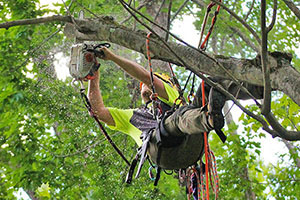
As an arborist, I often tell homeowners that pruning is one of the most valuable—and most misunderstood—forms of tree care. Many people assume that because trees grow naturally in forests without intervention, the same should apply in a residential landscape. But your yard is not a forest, and your trees face very different conditions.
-
The Best Trees to Plant in Colorado Yards
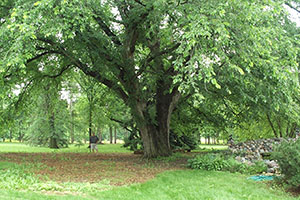
Planting a tree in Colorado is an investment that can last generations. Whether it’s for shade, privacy, beauty, or to increase property value, the tree you choose today will shape your yard—and your neighborhood—for decades. But Colorado isn’t an easy place to grow trees. Dry air, alkaline soils, intense sun, sudden cold snaps, and long drought cycles all create challenges.
-
When Your Tree Might Be at Risk of Failing
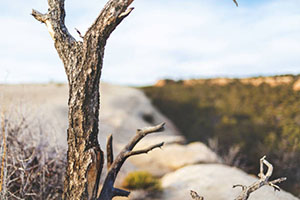
Trees are strong, resilient living structures. They withstand storms, wind, snow loads, and decades of growth. But like any living organism, trees can experience structural problems that increase the risk of failure—especially as they age, face harsh weather, or develop hidden defects. As certified arborists, our job is to identify these risks early and help homeowners keep their trees safe and hea
-
Understanding Spider Mites
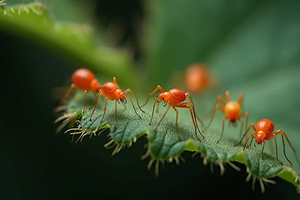
If you’ve ever noticed dusty, bronzed foliage on a spruce, pale speckles on leaves, or extremely fine webbing between needles or under leaves, there’s a good chance you’ve encountered spider mites. They’re one of the most common and damaging landscape pests in Colorado—and they’re tiny enough that most homeowners don’t realize they’re there until damage is already visible.
-
Soil Health and Organic Amendments: What Colorado Homeowners Need to Know
Most people think of tree care as pruning, watering, or fertilizing. But the truth is this:
The health of your soil is the foundation of the health of your trees. If the soil is compacted, lifeless, or low in organic matter—which is extremely common in Colorado—trees struggle no matter how much you water or fertilize.
-
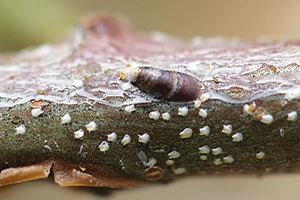
Understanding Scale Insects in Colorado
When Colorado homeowners notice sticky leaves, black sooty mold, or patches of dying branches, they often assume it’s a fungus or lack of water. In many cases, the real culprit is a pest you almost never see: scale insects. Scale are silent feeders—small, immobile insects that attach themselves to twigs…
-
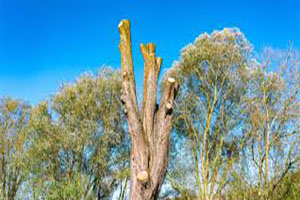
Why Tree Topping Is Dangerous
Tree topping is one of the most harmful—and unfortunately most common—pruning mistakes we see in residential landscapes. It’s often done with good intentions: a homeowner wants a shorter, safer, or “cleaner-looking” tree. But topping actually creates the opposite result. It makes trees weaker, uglier, and more likely to fail, while costing more money long term.
-
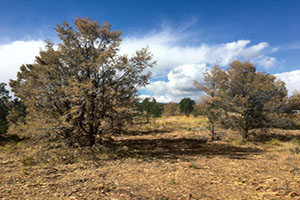
How Drought Stresses Trees Differently Than Heat
It’s easy to think that drought and heat are the same kind of stress for trees. After all, both usually happen in summer, both cause leaves to wilt or brown, and both are linked to water problems. But as an arborist, one of the most important lessons I teach homeowners is this: Drought and heat are two very different kinds of stress — and trees respond to them differently.
-
Why Hiring a Professional Tree Care Company with Certified Arborists Matters
Most homeowners call a tree service company when a tree becomes a problem—after a storm, when roots start lifting pavement, or when branches threaten the roof. But the truth is, tree care is a science, and the health of your trees affects your property long before issues become visible. That’s why hiring a professional tree care company staffed with certified arborists…

- « Previous
- 1
- 2
- 3
- 4
- Next »

Great Western Tree Care
Larkspur, CO Location
Mon - Fri: 8a to 5p
9575 Spruce Mountain Rd
Larkspur, CO 80118
(720) 535-8769
Aurora, CO Location
Mon - Fri: 8a to 5p
10730 E Bethany Dr
Aurora, CO 80014
(303) 325-3541