
-
Dutch Elm Disease Back In Colorado
For many Colorado neighborhoods, mature elm trees are more than just landscaping—they are history. American elm and Siberian elm were widely planted in the early and mid-1900s for their fast growth, beautiful arching canopies, and deep shade. But today, elm populations face a serious threat: Dutch Elm Disease, one of the most destructive tree diseases in North America.
-
Soil Compaction in New Construction Sites
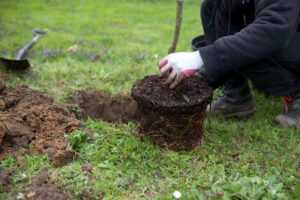
If you live in a recently built home—or are planning to plant a tree in a new development—you’ve probably noticed that landscape trees don’t always thrive the way they should. Even with watering, fertilizer, and good intentions, young trees often struggle, stunt, or decline early in new construction areas. In most cases, the underlying issue isn’t the tree—it’s the soil.
-
Understanding Fire Blight
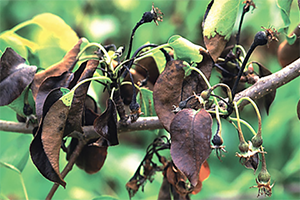
If you’ve ever seen a branch tip on your flowering pear or crabapple suddenly turn black and curl over like a hooked cane, you’ve likely seen fire blight—one of the most destructive bacterial diseases affecting ornamental and fruit trees. Fire blight can ruin spring blossoms, kill young shoots, and spread into branches, and over time it can severely damage or kill the tree.
-
Protecting Your Ash Trees in Colorado
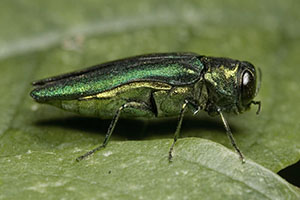
If you have an ash tree, it needs protection. Ash trees make up a huge portion of Colorado’s urban canopy. They provide shade, cooling, curb appeal, and significant property value. But they’re also among the most vulnerable species in our landscape—targeted by multiple destructive pests.
-
Overwatering vs Underwatering
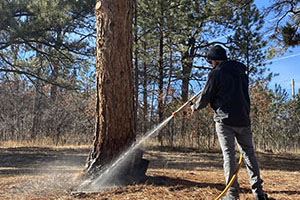
If your tree looks dry, wilted, or stressed, your first instinct is usually to grab the hose. But here’s the tricky part: the symptoms of overwatering and underwatering often look almost identical. That means it’s easy to make the problem worse by giving a stressed tree the wrong treatment.
-
Colorado’s Front Range Pest Calendar
In Colorado, timing matters. Many insect pests are only vulnerable during specific life stages. Treating at the wrong time can waste money and do little to stop the problem, which is why understanding the pest calendar helps homeowners know what to watch for—and when to call for help.
-
A Closer Look Into Aphids
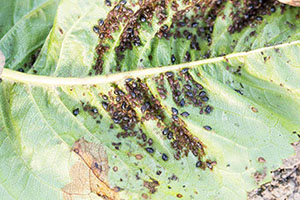
Throughout the Colorado Front Range—where our climate shifts quickly from cool, rainy springs to hot, dry summers—aphids are one of the most common insects homeowners will encounter on trees, shrubs, and even garden plants. While small in size, aphids can build large populations fast.
-
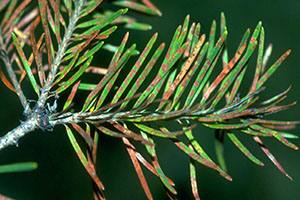
Needle Cast in Spruce Trees: What Colorado Homeowners Should Know
Evergreen spruce trees — like Colorado blue spruce, white spruce, and other ornamental spruces — are among the most popular evergreens in Colorado landscaping. Their year-round color and classic shape make them favorites for windbreaks, privacy screens, and yard aesthetics.
-
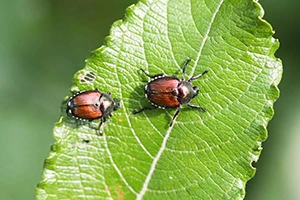
Japanese Beetle Populations On The Rise In Colorado
In recent years, homeowners across the Front Range—from Fort Collins down through Denver and into Colorado Springs—have seen a sharp increase in Japanese beetles. Their shiny green and bronze bodies may look harmless…


- « Previous
- 1
- 2
- 3
- 4
- Next »

Great Western Tree Care
Larkspur, CO Location
Mon - Fri: 8a to 5p
9575 Spruce Mountain Rd
Larkspur, CO 80118
(720) 535-8769
Aurora, CO Location
Mon - Fri: 8a to 5p
10730 E Bethany Dr
Aurora, CO 80014
(303) 325-3541