
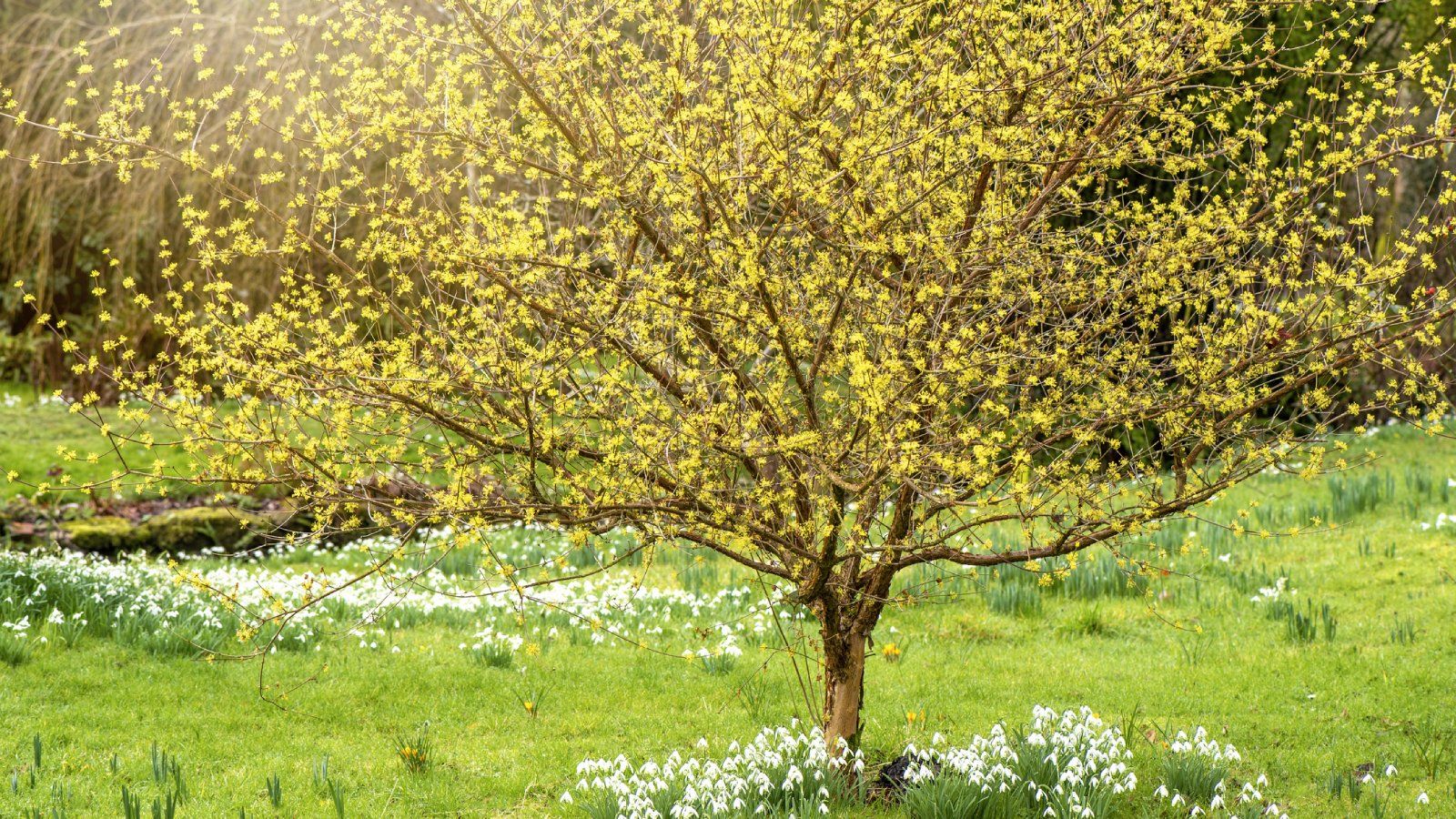
Spring in Colorado is when your trees are set up for success—or start down the path of decline. After a long winter of dry conditions, wind exposure, and temperature swings, your trees need more than just water—they need a strategic approach to recovery and growth.
Below is a professional arborist checklist to help you protect your landscape and avoid costly problems later in the season.
Inspect Trees for Winter Damage
What to look for
- Broken or hanging branches
- Cracked limbs from snow load
- Bark splitting (frost cracks or sunscald)
- Dead or brittle twigs
Why it matters
Winter damage creates entry points for insects and disease, especially as temperatures warm.
Pro Tip
Prune damaged limbs early to prevent further stress and structural failure.
Prune for Structure and Health
Focus on
- Deadwood removal
- Crossing or rubbing branches
- Structural shaping (especially young trees)
Avoid
- Over-pruning (common mistake)
- Topping trees
Why it matters
Proper pruning improves airflow, structure, and long-term strength.
Apply Deep Root Fertilization
Colorado soils are
- Low in organic matter
- Highly compacted
- Often alkaline
What trees need
- Organic nutrients
- Soil conditioning
- Microbial support
Why it matters
Healthy soil = stronger roots, better drought tolerance, and improved growth.
Start a Proper Watering Plan
Key rule: Water at the drip line, not the trunk.
General guidelines
- ~10 gallons per inch of trunk diameter (during dry periods)
Why it matters
Most tree decline in Colorado is tied to inconsistent or improper watering.
Monitor for Early-Season Pests
Watch for
- Aphids (sticky residue / honeydew)
- Spider mites (stippling, fine webbing)
- Scale insects (bumps on branches)
Why it matters
Early detection allows for low-impact, highly effective treatment.
Refresh Mulch (The Right Way)
Best practice
- 2–4 inches deep
- Extend to the drip line if possible
- Keep mulch away from the trunk
Avoid
“Volcano mulching” (pile against trunk)
Why it matters
Mulch helps retain moisture, regulate temperature, and improve soil health.
Check for Signs of Stress
Red flags in spring
- Delayed leaf-out
- Yellowing leaves (chlorosis)
- Thinning canopy
- Dieback in upper branches
Why it matters
These are often early indicators of
- Root issues
- Soil problems
- Pest or disease pressure
HOA & Property Managers: Think Long-Term
If you manage a community, spring is the time to:
- Schedule tree inventories
- Implement a PHC program
- Budget for preventative treatments
Why it matters
Reactive tree removal is far more expensive than proactive care.
Final Thoughts from an Arborist
Spring is not just a “check-in” period—it’s the most important window to set your trees up for the entire year.
Healthy trees
- Increase property value
- Reduce liability
- Enhance curb appeal
- Last decades longer with proper care
Schedule a Professional Tree Health Inspection
If you’re unsure where your trees stand, a professional assessment can identify issues before they become costly problems.