Urban Canopy
Older neighborhoods often contain mature trees growing alongside streets, utilities, alleys, sidewalks and redevelopment. Structural management and protection of aging root systems become especially important.
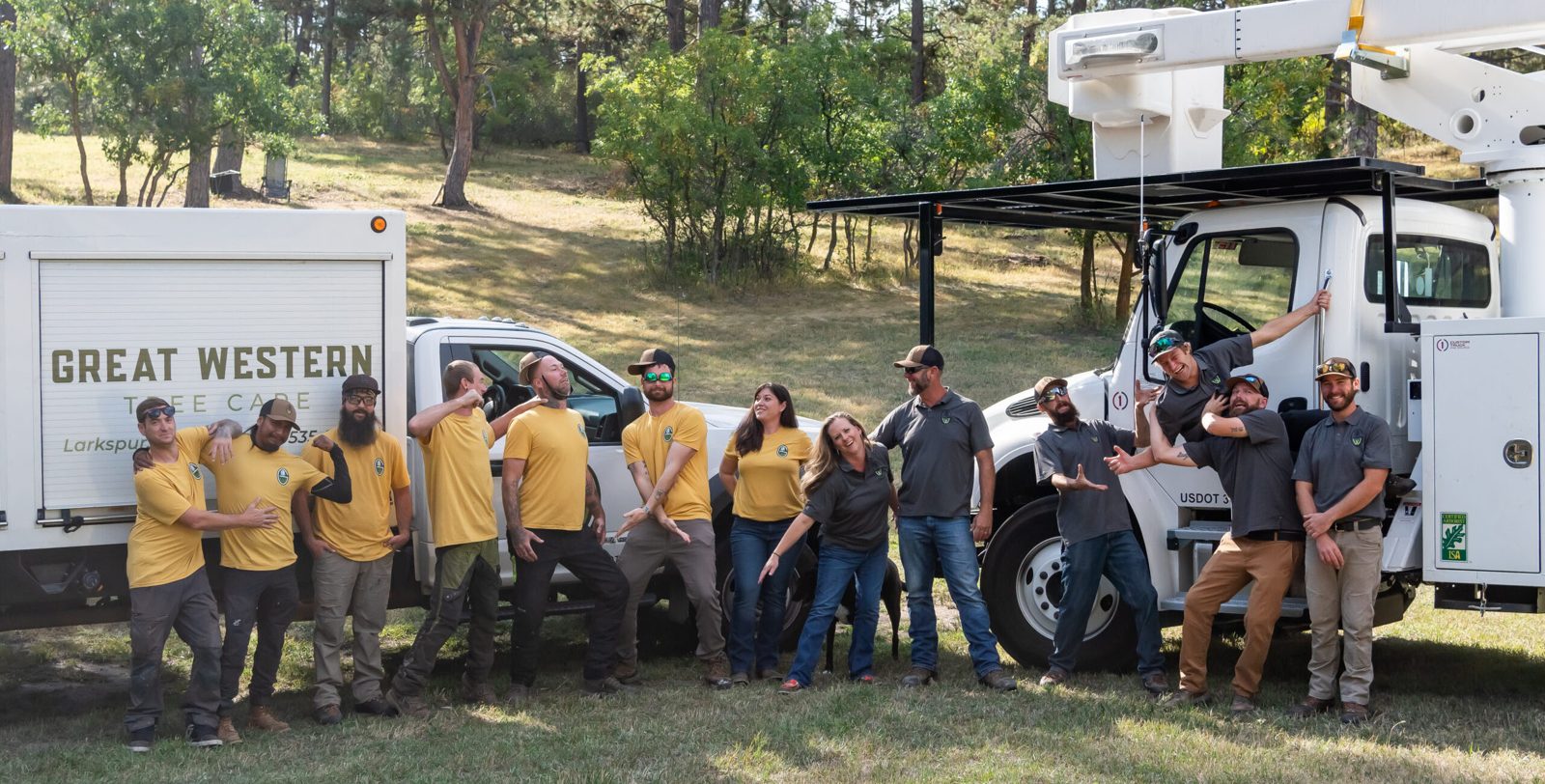
From our Larkspur and Aurora locations, Great Western Tree Care serves homeowners throughout Douglas County, the Denver Metro, and surrounding Front Range communities.
Our service area spans dense urban neighborhoods, mature suburban landscapes, newer master-planned communities, acreage properties and forest-interface environments — each with different tree-care needs.
Serving Colorado's Front Range · (720) 535-8769
Colorado’s Front Range is not one uniform tree-care market. A mature elm growing on a compact Denver lot faces very different pressures from a ponderosa pine on a Monument forest-interface property or a newly planted tree in Lone Tree.
Across the communities we serve, differences in elevation, soil, irrigation, property type, canopy age, development history, wind exposure and pest pressure all influence how trees should be managed.
Great Western Tree Care approaches each property individually — evaluating the tree, the site and the surrounding landscape before recommending treatment.
Explore local tree-care information, common tree-health challenges and services available in each of the communities we serve.
Older neighborhoods often contain mature trees growing alongside streets, utilities, alleys, sidewalks and redevelopment. Structural management and protection of aging root systems become especially important.
Established suburban landscapes often combine mature shade trees, aging conifers, irrigation systems and increasingly complex plant-health needs.
Newer and rapidly developing communities may contain younger installed landscapes alongside maturing trees that are transitioning from establishment care into long-term structural management.
Larger properties and forest-interface landscapes bring different considerations including wind exposure, native conifers, shelterbelts, wildfire mitigation, water limitations and broader landscape management.
The same regional conditions that shape our service areas also shape the educational resources in The Root — our library of species profiles, diagnostic guides and seasonal care writing for Front Range properties.
The right service depends on the tree, the property and the condition we're trying to solve. Our arborists evaluate the entire situation before recommending pruning, plant health care, structural support, removal or another appropriate treatment.
Species matters. But so do soil, water, wind, exposure, elevation, surrounding development and the history of the landscape.
A treatment that makes sense for a mature Denver street tree may not make sense for a newly established tree in Lone Tree or a native ponderosa pine near Monument.
Great Western’s approach is built around understanding those differences before deciding what work should be done.
Great Western Tree Care serves homeowners throughout Douglas County, the Denver Metro, and surrounding Front Range communities, with primary service areas spanning 16 Colorado communities.
Most core GWTC services are available throughout the primary service area. Property conditions, tree species and specific treatment needs may vary by location.
If your property is near the current service footprint, contact Great Western Tree Care to confirm availability.
Customers can use the same Great Western Tree Care phone number and estimate process regardless of whether the property is closer to Larkspur or Aurora.
Where appropriate, Great Western Tree Care can work with homeowners in HOA-governed communities. Property owners remain responsible for confirming applicable HOA or municipal requirements.
You do not need to diagnose the issue before contacting Great Western Tree Care. An arborist can evaluate the tree and recommend the appropriate next step.
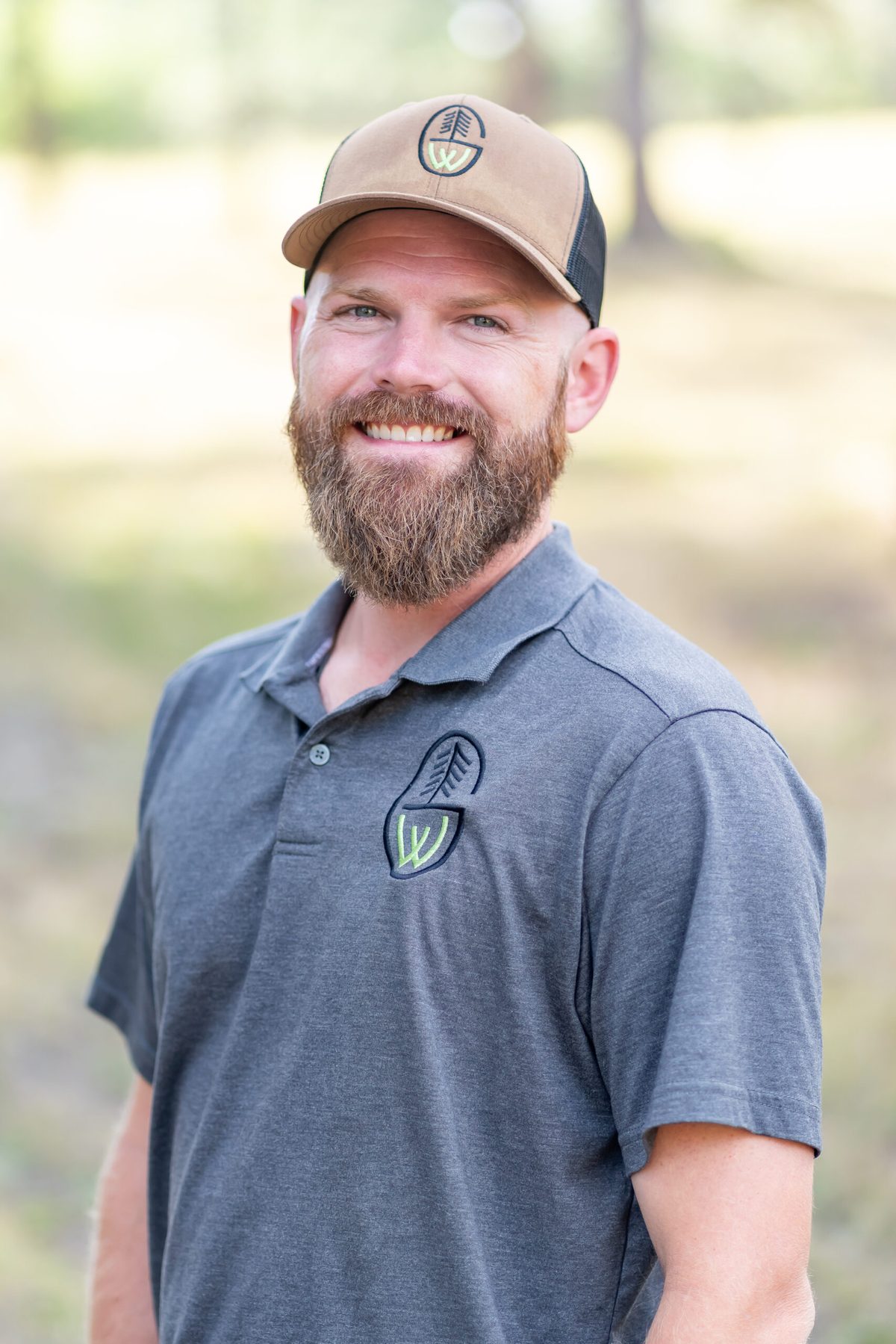
Tell us where your property is and what you're seeing. We'll confirm service availability and help determine the right next step for your trees.
Serving Colorado’s Front Range