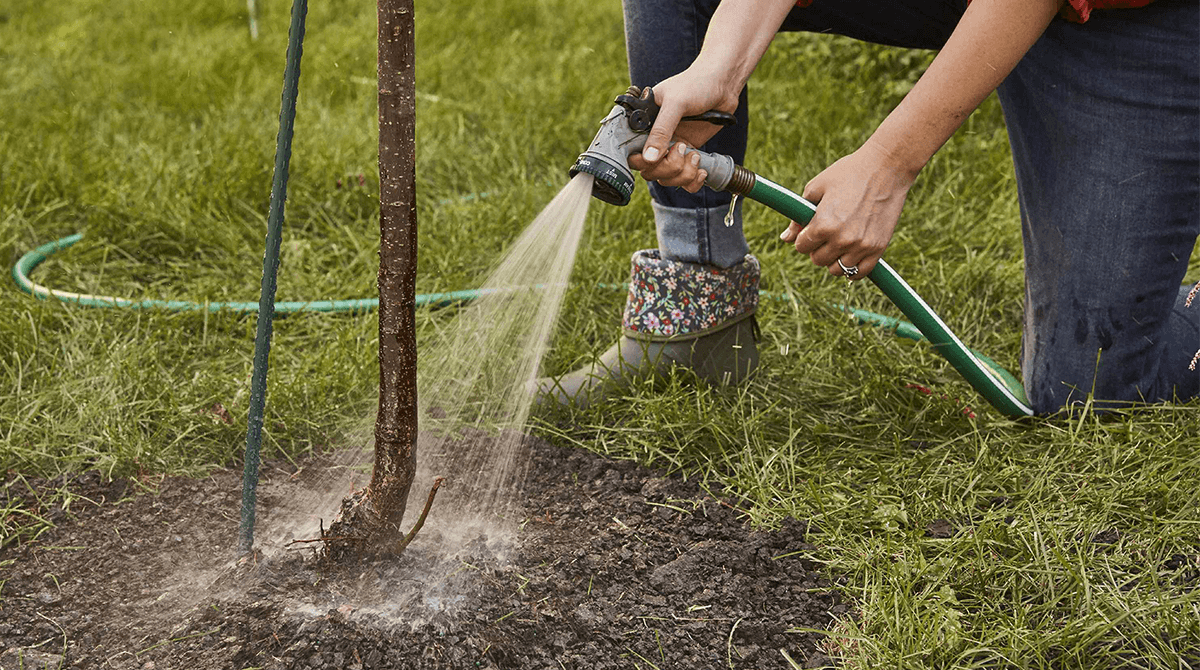
Great Western Tree Care technician deep-root watering a tree in a Colorado landscape
Tree & Plant Health

Essential Watering for Colorado Trees

Tailored, supplemental watering plans built around your soil type, landscape and tree species — because Colorado's dry climate won't do it for you.

Colorado's Front Range receives only 14–18 inches of annual precipitation, well below the 30+ inches most tree species require for sustained health. Great Western Tree Care's ISA-Certified Arborists design watering programs matched to your trees' species, age, soil type and seasonal exposure.

Serving Colorado's Front Range · (720) 535-8769

A Dry Climate By Nature

Why Is Tree Watering in Colorado Essential?

Great Western Tree Care provides specialized tree watering programs designed for the Denver metro area's semi-arid climate and challenging soil conditions.

Without supplemental watering, even established trees experience chronic moisture stress that weakens root systems, reduces canopy density and increases vulnerability to insect infestations and disease.

Colorado's persistent dry spells make watering essential to replace lost moisture, support nutrient uptake and keep trees healthy and resilient. Regular watering also prevents heat-stress-induced decline by helping trees regulate temperature and maintain healthy growth, and it delivers the hydration that strengthens roots and promotes healthier growth year-round.

For busy homeowners, a professional watering program provides convenient, consistent care without adding another task to the calendar — while extending the life and long-term health of trees and shrubs.

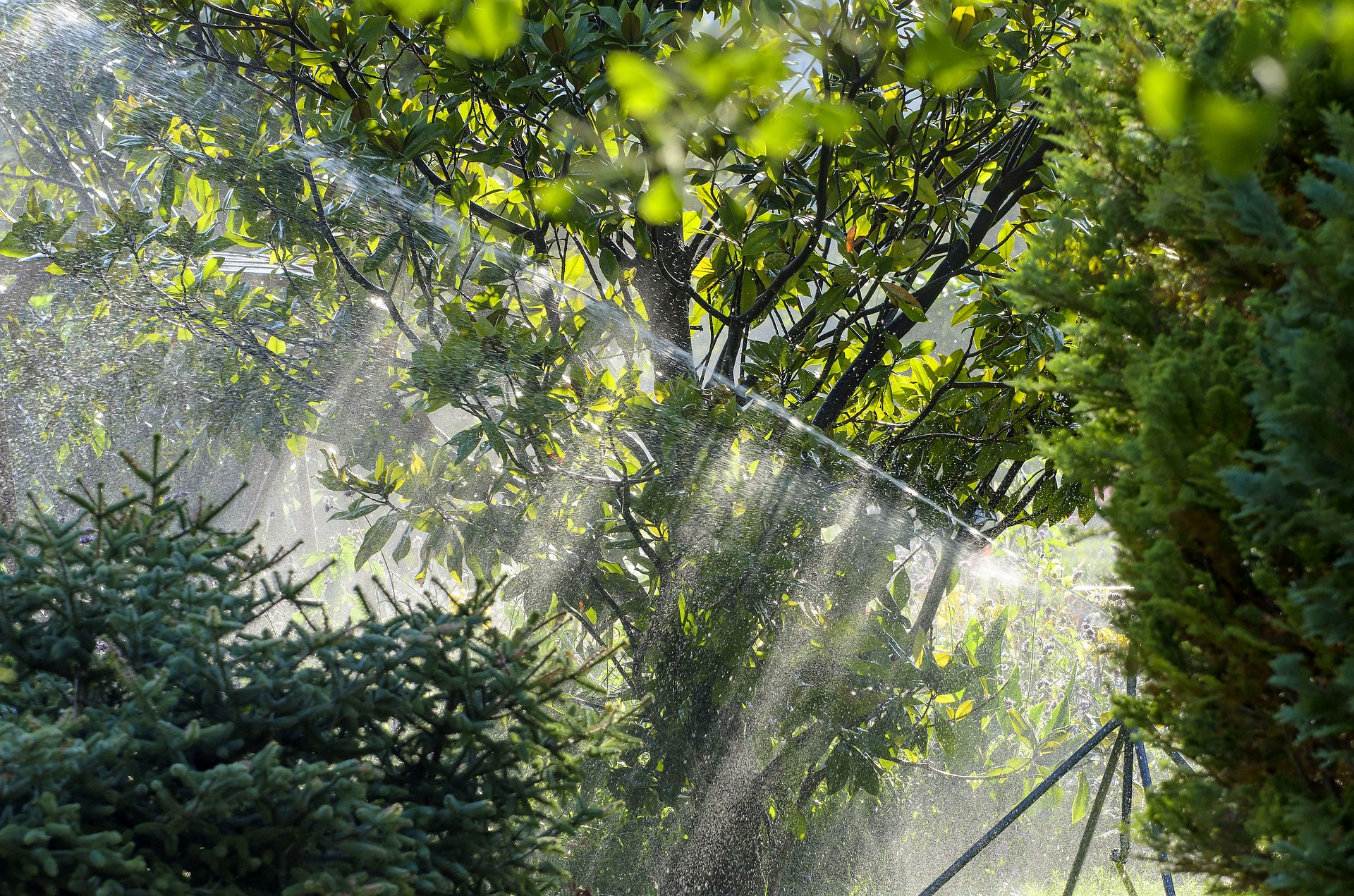
Water reaching the canopy and foliage of Colorado evergreens on a sunlit afternoon
Understanding the Environment

Colorado's Semi-Arid Climate & Tree Water Requirements

Most tree species growing in Denver-area landscapes did not evolve for this climate, and their water needs reflect that mismatch.

  1. 01

    14–18 Inches of Precipitation

    Colorado's Front Range receives only 14–18 inches of annual precipitation, well below the 30+ inches most tree species require for sustained health.

  2. 02

    Clay Soils Limit Infiltration

    Denver's compacted clay soils accept water slowly. Surface irrigation, whether from sprinklers or hand watering, rarely penetrates beyond the top 4–6 inches of soil.

  3. 03

    Roots Run Deeper Than Turf

    Tree roots extend 12–18 inches below the surface, where moisture must be consistently available — well below where lawn sprinkler systems are designed to deliver water.

  4. 04

    Drought Stress Compounds

    Chronic moisture stress weakens root systems, reduces canopy density, and increases a tree's vulnerability to insect infestations and disease.

Supplemental Watering

Watering Programs Built for the Root Zone

Great Western designs watering delivery methods around each tree's species, soil conditions and site access — not a one-size-fits-all sprinkler schedule.

Deep Root Watering

Our deep root watering service uses subsurface injection probes that deliver water directly into the root zone at controlled flow rates, saturating the soil profile where feeder roots actively absorb moisture.

This technique is particularly effective for mature trees in established landscapes where compacted soil and competing turf grass limit natural water infiltration.

We calibrate delivery volumes based on tree species, canopy spread and current soil moisture readings taken with a tensiometer probe.

Drip & Slow-Release Irrigation Design

For properties where ongoing supplemental watering is needed, we design and install drip irrigation systems tailored to individual tree requirements.

Drip emitters placed within the dripline deliver water slowly enough for clay soils to absorb without runoff, typically 1–2 gallons per hour per emitter — using 50–70% less water than conventional sprinkler coverage.

We size emitter counts and run times based on species water requirements, on-site soil infiltration rates, and seasonal evapotranspiration data from local weather stations.

Newly Planted Tree Watering

The first two growing seasons after planting are the most critical for root establishment.

We provide establishment watering programs that deliver 10–15 gallons per inch of trunk caliper per watering cycle during the first season, tapering to every 10–14 days by the second season as the root system develops beyond the original root ball.

Tree Watering by Property Type

Mature Trees, Young Trees & Specimen Trees

Residential Properties with Mature Landscapes

Established trees across the Denver metro area often rely on supplemental irrigation from lawn sprinkler systems. When homeowners reduce turf area for xeriscaping or adjust irrigation during drought restrictions, these trees lose their primary moisture source.

We evaluate existing irrigation coverage and design supplemental watering programs that maintain tree health through landscape transitions.

New Construction & Recently Planted Landscapes

New developments throughout Douglas and Arapahoe Counties feature young trees that require establishment watering to survive their first Colorado summers.

Builder-installed irrigation often concentrates water on turf instead of tree root zones. We supplement existing systems with targeted deep watering until root systems establish beyond the original planting hole, typically 2–3 growing seasons.

Properties with High-Value Specimen Trees

Mature specimen trees, including large Colorado blue spruce, heritage cottonwoods and established ponderosa pines, represent decades of growth and significant property value.

Proactive watering programs protect this investment while maintaining the canopy coverage, shade and aesthetic value these trees provide. We combine watering with tree risk assessment and fertilization programs for comprehensive specimen tree care.

Winter Watering Matters in Colorado

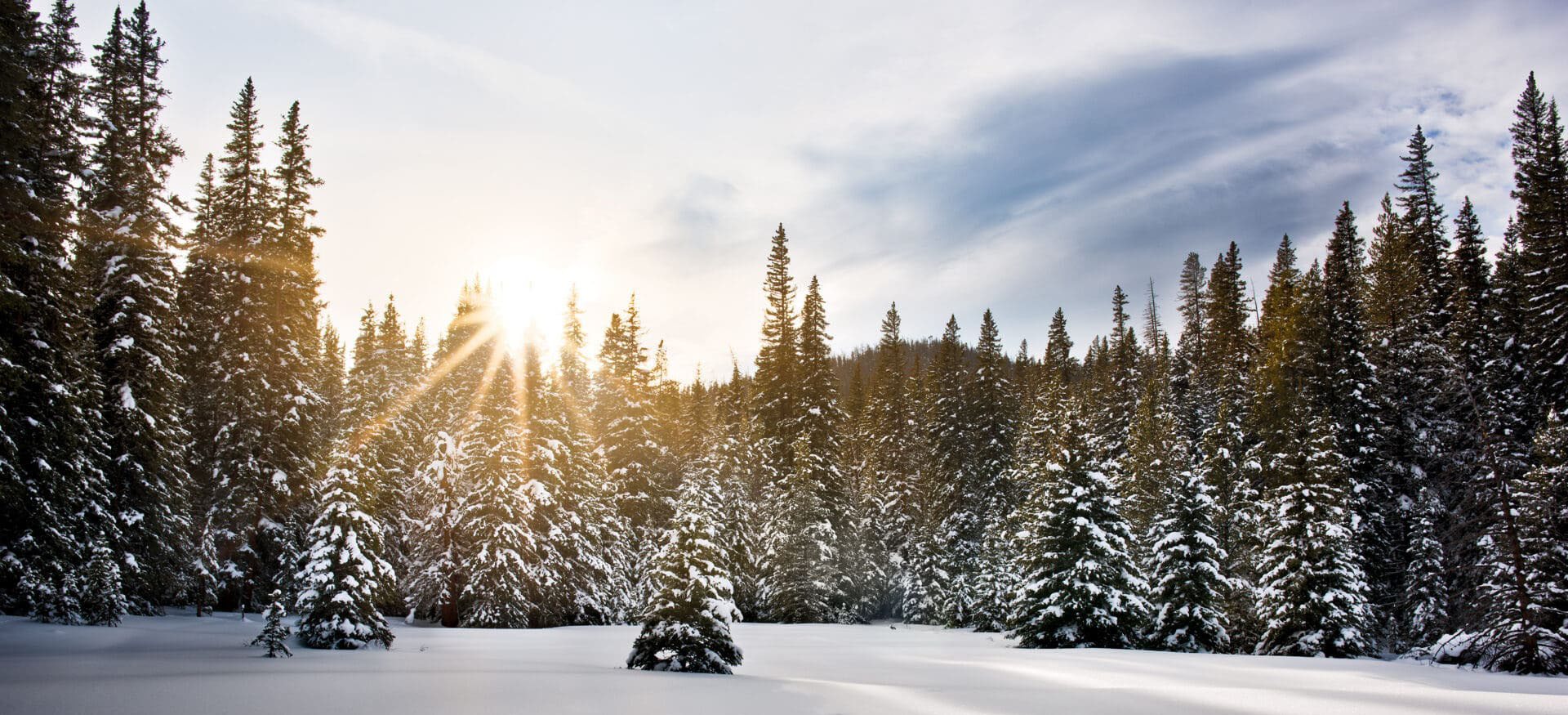
Snow-covered Colorado conifers in winter, when dormant-season watering prevents desiccation
Why It Matters
Winter dehydration is one of the leading causes of tree decline along the Front Range. Chinook winds — warm, dry downslope events that can raise temperatures 30–40°F in hours — pull moisture from bark, branches and evergreen needles while frozen soil prevents roots from replenishing water reserves.
Evergreens vs. Deciduous
Evergreens including Colorado blue spruce, ponderosa pine and Douglas fir are especially vulnerable because they retain foliage and continue transpiring through winter. Deciduous trees with thin bark — young maples, honey locusts and newly planted specimens — also suffer winter desiccation, visible as bark splitting and dieback the following spring.
Our Protocol
We schedule winter watering during midday warm periods when air temperatures are above 40°F and soil isn't frozen solid, focusing on the dripline where absorbing roots concentrate. Properties in higher-elevation communities like Larkspur and Castle Rock, where freeze-thaw cycles are more extreme, often require monthly winter watering from November through March.

We prioritize evergreen specimens — especially those planted within the last five years or in exposed, south-facing locations. Deciduous trees receive winter watering when extended dry periods exceed 30 days without measurable precipitation.

Recognizing the Symptoms

Warning Signs of Drought-Stressed Trees

By the time symptoms are visible, a tree has often already been stressed for weeks — which is why proactive watering matters more than reactive treatment.

01

Foliage & Canopy

Wilting or curling leaves during afternoon heat, premature fall color in midsummer, and sparse canopy density compared to previous years.

02

Growth

Small or absent new growth is a common early indicator that a tree isn't getting adequate moisture.

03

Evergreens

Interior needle drop or browning needle tips can signal drought stress specific to conifer species.

Root Zone vs. Turf

Why Sprinkler Systems Aren't Enough for Trees

Lawn sprinkler systems are designed to deliver shallow, frequent water applications suited to turf grass with root systems in the top 4–6 inches of soil.

Tree roots extend 12–18 inches deep and require slower, deeper watering that most sprinkler systems cannot provide. Supplemental deep root watering ensures moisture reaches the depth where trees actually absorb it.

This relationship between watering, soil condition and overall plant health is also why we frequently coordinate watering programs with fertilization — a tree under moisture stress often can't take up nutrients even when they're present in the soil.

Soil Type Changes the Plan

Heavy clay soils common in Centennial and Highlands Ranch require slower delivery rates but may hold moisture longer between applications.

Properties in Roxborough Park and Castle Pines with rocky substrate may require modified delivery techniques.

Watering & Fertilization Work Together

Proper supplemental watering and proactive plant-health management, including fertilization, are complementary parts of a long-term tree care program rather than substitutes for one another.

How We Work

Our Tree Watering Process

  1. 01

    On-Site Tree & Soil Assessment

    We identify tree species and their specific water requirements, evaluate soil compaction and infiltration rates, and assess existing irrigation coverage.

  2. 02

    Custom Watering Plan

    We develop a program specifying delivery method, volume per tree, frequency and seasonal adjustments — factoring in your irrigation system, water source and any municipal watering restrictions.

  3. 03

    Scheduling & Coordination

    We schedule visits around optimal weather windows and coordinate with your existing lawn care and landscape maintenance to avoid overwatering or scheduling conflicts.

  4. 04

    Watering Application

    Our crew delivers water using calibrated deep root probes, drip systems, or slow-release methods matched to soil type and tree requirements, documenting volume delivered and tree condition at each visit.

  5. 05

    Monitoring & Seasonal Adjustment

    We monitor tree response between visits, adjust volumes and frequency based on precipitation and temperature, and advise on homeowner-managed watering between professional visits.

Investment

What Does Tree Watering Cost in Denver, CO?

Costs vary based on the number of trees, species, property access and program duration.

Single Deep Root Watering Visit1–5 trees, per visit
$100–$250
Winter Watering Programmonthly, Nov–Mar, 5–15 trees
$400–$1,000
Supplemental Summer Watering Programbi-weekly, June–September
$600–$1,500
New Tree Establishment Wateringper season, first 2 years
$300–$800
Drip Irrigation Design & Installationdepending on system complexity
$500–$2,000+

Actual cost depends on factors including

  • Number and species of trees
  • Property access and rocky substrate
  • Lot size and tree inventory
  • Municipal watering restrictions
  • Soil type (heavy clay vs. rocky)
  • Program duration and frequency
Request an Estimate
Expertise Matters

Why Great Western Tree Care for Tree Watering

ISA-Certified Arborists
3ISA-Certified Arborists
Colorado Department of Agriculture Plant Health Care Qualified Supervisors
3Colorado Department of Agriculture Plant Health Care Qualified Supervisors
TRAQ-Certified Professionals
2TRAQ-Certified Professionals
Certified Treecare Safety Professional
1Certified Treecare Safety Professional
Since 2018
Family-OwnedSince 2018

Our arborists understand tree physiology — how different species absorb water, where root systems concentrate, and how soil conditions affect moisture availability — ensuring watering programs deliver the right volume at the right depth for each tree, and can distinguish drought stress from pest damage, root disease or nutrient deficiency.

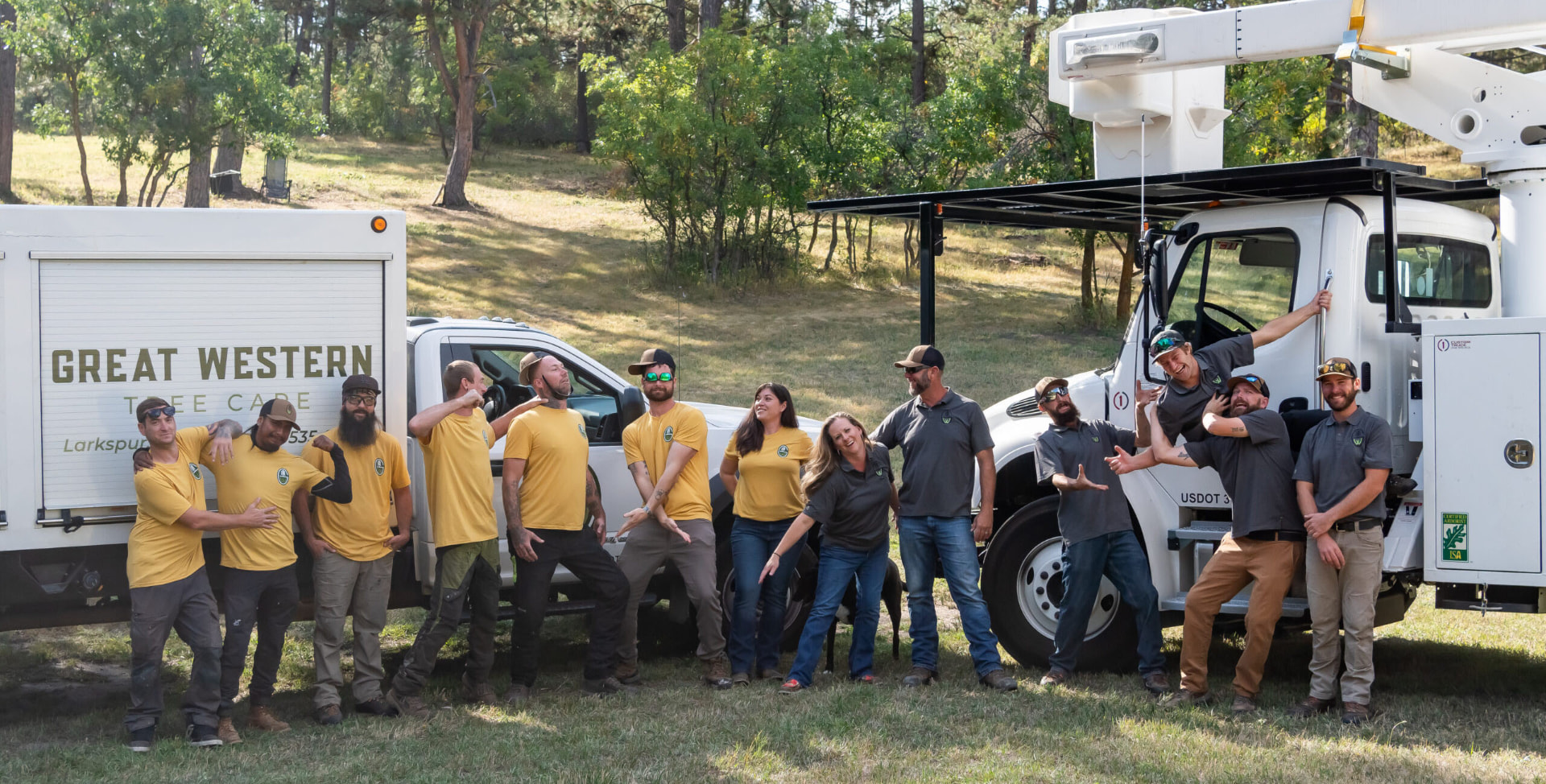
The Great Western Tree Care team with their branded trucks and bucket truck in Larkspur, Colorado
Common Questions

FAQs About Tree Watering in Denver, CO

How often should I water my trees in Denver?

During summer months, most established trees in the Denver metro area benefit from deep watering every 7–14 days depending on species, soil type and recent precipitation. Newly planted trees require watering every 3–7 days during their first growing season. Clay soils hold moisture longer but accept water more slowly, requiring extended delivery times at lower flow rates.

Do I need to water my trees in winter?

Yes, winter watering is essential for tree health along the Front Range. Extended dry periods between snow events, combined with Chinook wind events that dramatically increase evaporation, can dehydrate both evergreen and deciduous trees. We recommend watering during midday warm spells when temperatures exceed 40°F and soil is not frozen.

Can my lawn sprinkler system provide enough water for my trees?

Lawn sprinkler systems are designed to deliver shallow, frequent water applications suited to turf grass with root systems in the top 4–6 inches of soil. Tree roots extend 12–18 inches deep and require slower, deeper watering that most sprinkler systems cannot provide. Supplemental deep root watering ensures moisture reaches the depth where trees actually absorb it.

How do I know if my trees are drought-stressed?

Early signs of drought stress include wilting or curling leaves during afternoon heat, premature fall color in midsummer, sparse canopy density compared to previous years, and small or absent new growth. Evergreens may show interior needle drop or browning needle tips. By the time these symptoms are visible, the tree has been stressed for weeks; proactive watering prevents reaching this point.

Is deep root watering better than surface watering for trees?

Deep root watering delivers moisture directly to the soil depth where tree feeder roots are concentrated, 12–18 inches below the surface. Surface watering must penetrate through compacted clay topsoil, competing grass root zones and thatch layers before reaching tree roots. In Denver's clay soils, surface water often runs off or pools rather than infiltrating to root depth, making deep root injection significantly more effective per gallon applied.

How much water does a mature tree need per week in summer?

As a general guideline, established trees require approximately 10 gallons of water per inch of trunk diameter per week during Denver's hottest months. A 12-inch diameter tree needs roughly 120 gallons per week. Actual requirements vary by species; native species like ponderosa pine need less than species like maple or linden that evolved in wetter climates.

Colorado's Front Range

Tree Watering Across the Greater Denver Area

Our tree watering crews serve residential properties throughout Douglas County, the Denver Metro, and surrounding Front Range communities from our Larkspur, Colorado headquarters.

View All Service Areas
Nick Anderson, a Great Western Tree Care arborist, on a Colorado property
Nick Anderson, Sales Manager, Great Western Tree Care
Free Estimate

Don't wait for wilting to appear.

By the time leaves wilt or needles brown, significant root damage has already occurred. Schedule your free on-site tree and soil assessment today.

(720) 535-8769

Serving Colorado’s Front Range