
What actually goes wrong with Colorado shrubs.
Most shrub decline on the Front Range traces back to site conditions, water and pruning timing rather than a single pest. Start with the species, then work through what is realistic for the season.
Three categories of shrub problem
- Insects
- Scale, borers, aphids and mites account for most insect damage on Front Range shrubs. Scale on euonymus and borers in stressed lilac are the two most frequent findings.
- Diseases
- Powdery mildew, bacterial blight and leaf spot follow crowding, shade and overhead irrigation far more often than they follow weather alone.
- Environmental
- Winter burn, iron chlorosis and root problems from overwatering are diagnosed on shrubs more often than any true pathogen in Colorado landscapes.
Pests, diseases and disorders by plant
Converted from the Great Western field diagnostic sheets: seasonal activity, symptom tables, treatment options and a plain answer on whether the damage is worth treating.
- 01
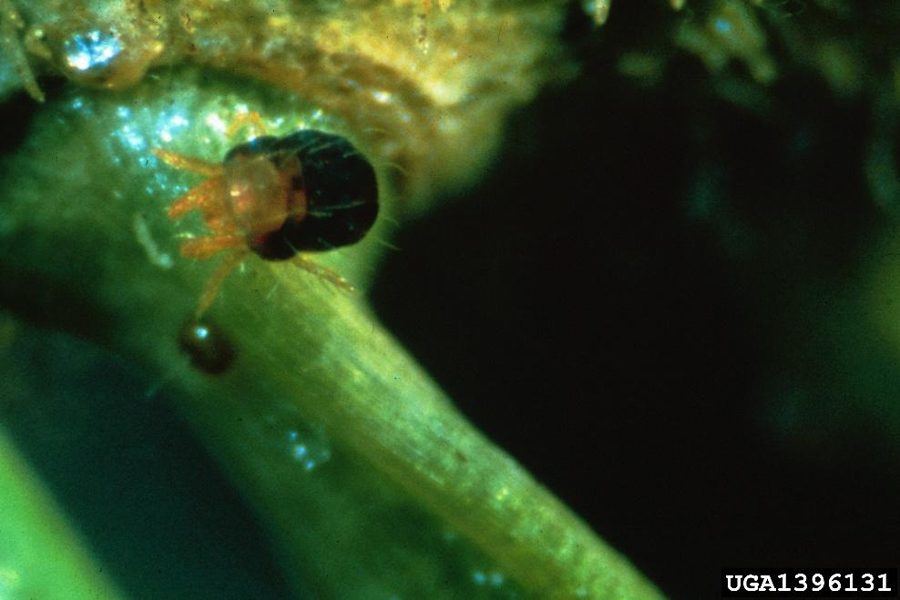
Alberta Spruce
Picea glauca ‘Conica’ — Dwarf Alberta SpruceAlberta spruce is a slow-growing, dense, evergreen conifer commonly used as an accent plant, entryway anchor, or formal foundation shrub. In Colorado, most decline problems are tied to dry winter wind/sun, drought stress, and mite pressure, especially when plants are in hot exposures or allowed to dry out.
- 02
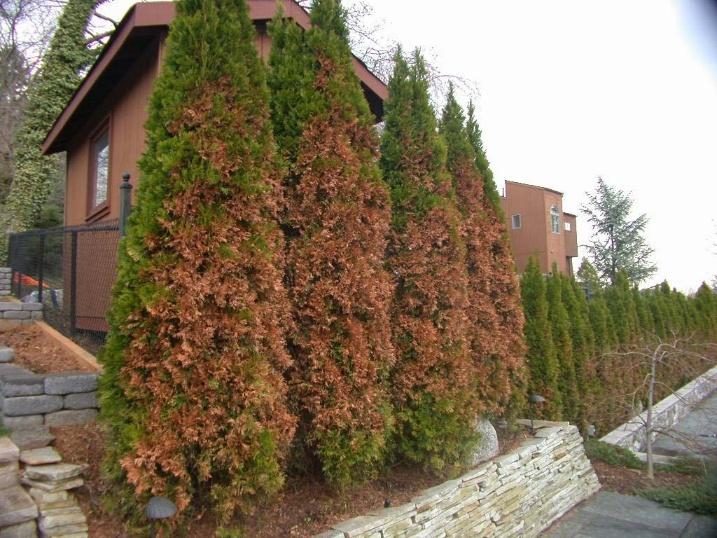
Arborvitae
Thuja occidentalis, Thuja plicata — American & Western ArborvitaeArborvitae are popular evergreen screens in Colorado but are highly sensitive to drought, winter burn, hot sun exposure, and spider mites. Most issues trace back to water stress, root problems, or environmental extremes, rather than insects.
- 03
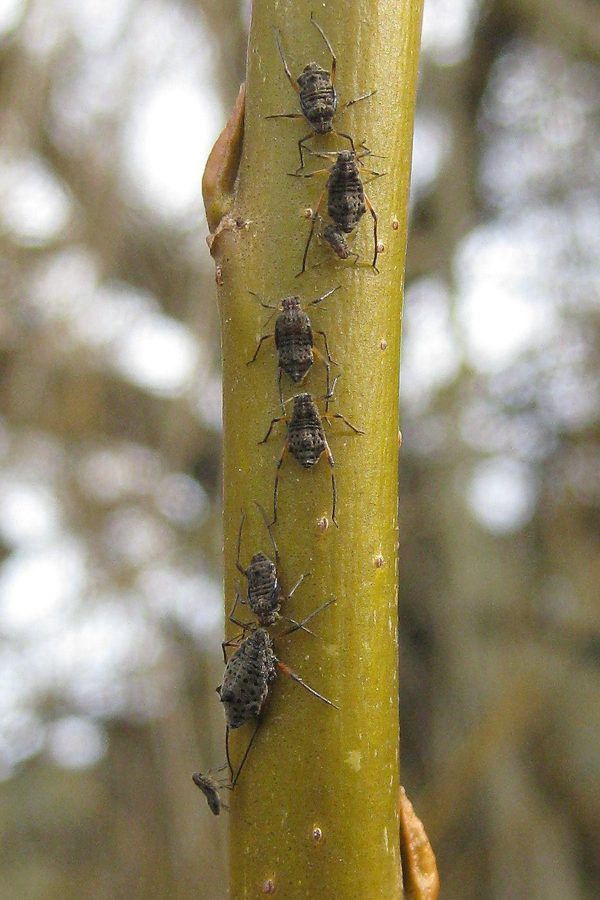
Arctic Willow
Salix purpurea ‘Nana’ and related dwarf willowsArctic willow problems in Colorado landscapes: identify aphids, willow leaf beetle, scale, canker and leaf spot, and see when to treat dwarf willows on the Front Range.
- 04
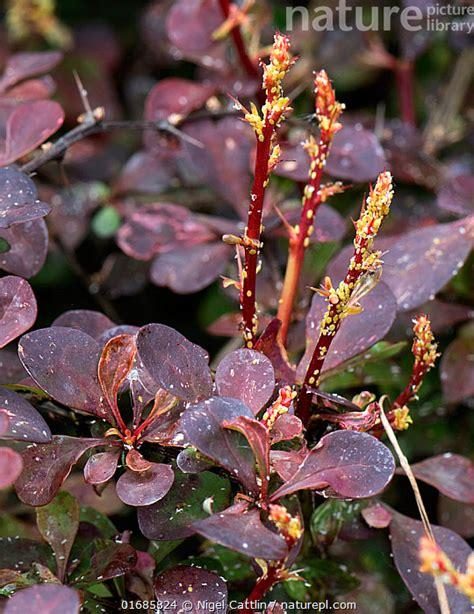
Barberry
Berberis spp.Barberry is a dense, thorny shrub commonly used for hedges, barriers, and foundation plantings. In Colorado it’s generally tough, but can still be affected by sap- feeding insects, mites, and a few foliar diseases—especially when crowded or stressed.
- 05
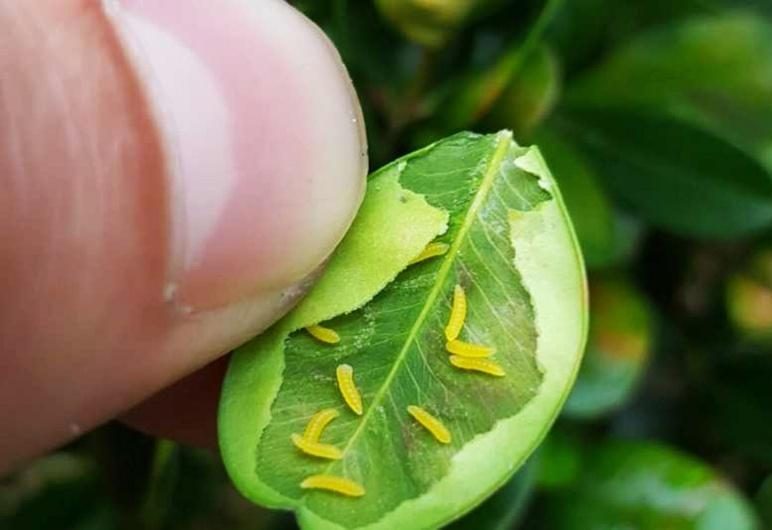
Boxwood
Buxus spp.Boxwood is a popular evergreen shrub commonly used for hedges and foundation plantings. In Colorado, it is affected by winter desiccation, leafminer, psylla, mites, and several fungal issues. Most problems are manageable with proper watering and pruning.
- 06
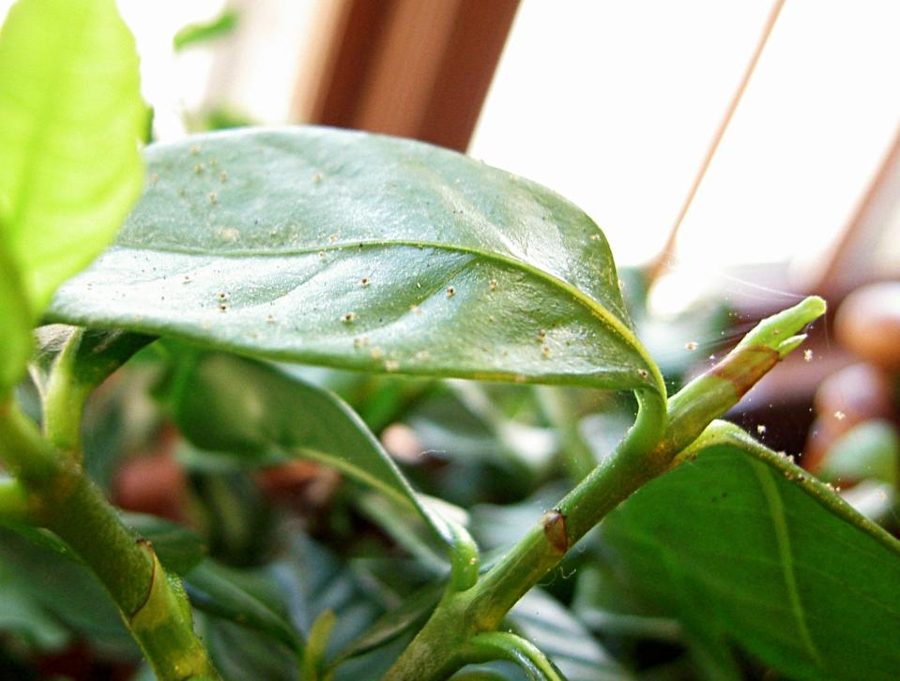
Burning Bush
Euonymus alatusBurning bush is a dense, deciduous shrub valued for bright fall color and hedge screening. In Colorado it’s generally tough, but drought stress and dense growth can allow mites, scale insects, and foliar diseases to develop.
- 07
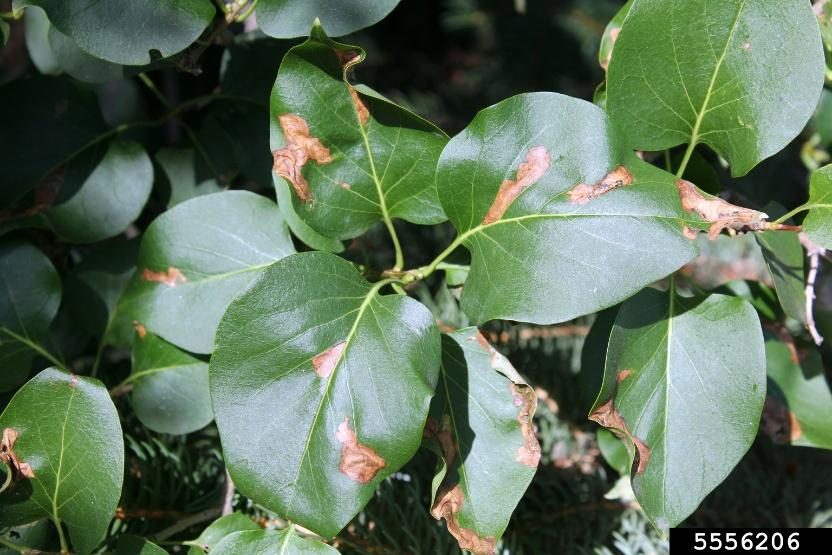
Common Lilac
Syringa vulgarisCommon lilac problems in Colorado: identify lilac leafminer, powdery mildew, bacterial blight, borers and scale, with symptoms, seasonal timing and homeowner treatment options.
- 08
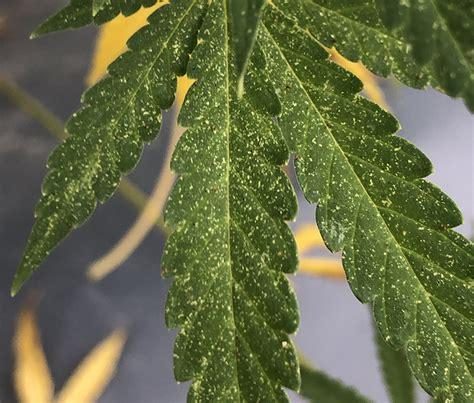
Currant
Ribes spp.Currants are deciduous shrubs grown for fruit, pollinators, and hardy landscape use. In the Colorado Front Range, most issues are seasonal and tied to sap- feeding insects, defoliators, foliar diseases, and stress. Good airflow, consistent watering, and annual cane renewal solve most problems.
- 09
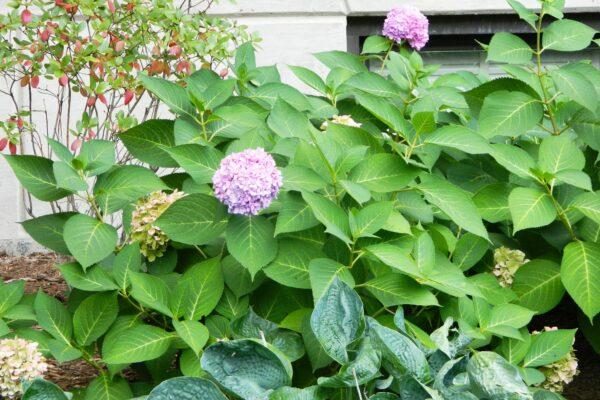
Hydrangea
Hydrangea spp.Hydrangea is a showy, deciduous flowering shrub prized for large blooms and lush foliage. In Colorado, hydrangeas do best with morning sun / afternoon shade, consistent moisture, and mulch to keep roots cool. Most problems show up when plants are drought-stressed, heat-stressed, overcrowded (poor airflow), or watered overhead.
- 10
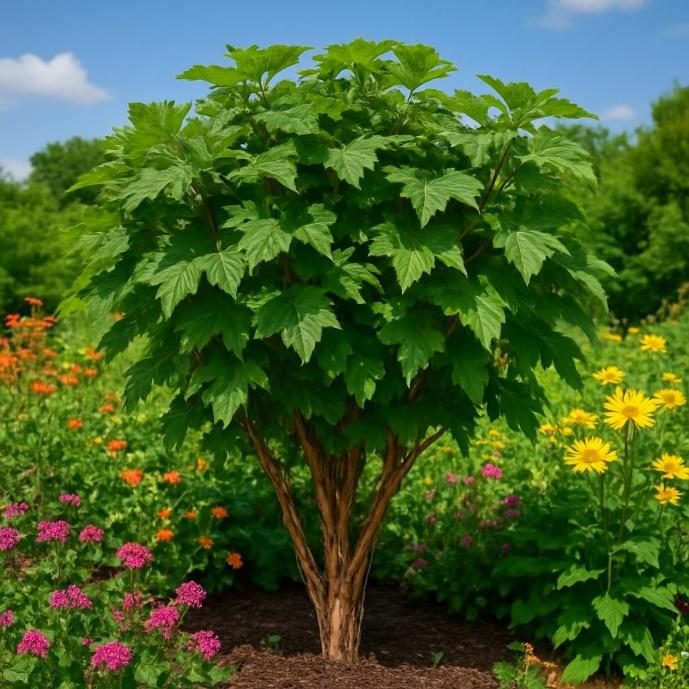
Ninebark (Physocarpus opulifolius)
Ninebark (Physocarpus opulifolius) problems in Colorado: identify powdery mildew, spider mites, scale, aphids and canker, with a seasonal calendar and practical treatment guidance.
- 11
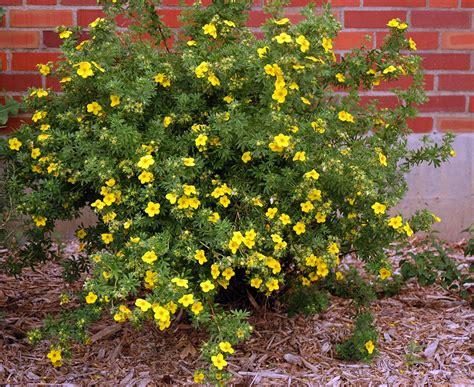
Potentilla
Potentilla fruticosa / Dasiphora fruticosaPotentilla is a hardy, deciduous flowering shrub widely used in Colorado landscapes for its long bloom season and toughness. It prefers full sun and well-drained soil; most issues show up when plants are crowded, stressed, or kept too wet.
- 12
Privet
Ligustrum spp.Privet is a dense, fast-growing shrub commonly used for hedges, screens, and foundation plantings. In Colorado it is generally tough, but drought stress, dense growth, and poor airflow can allow sap-feeding insects, mites, and foliar diseases to develop—especially on tightly clipped hedges. Shrub / hedge habit Flowers (late spring–summer)
- 13
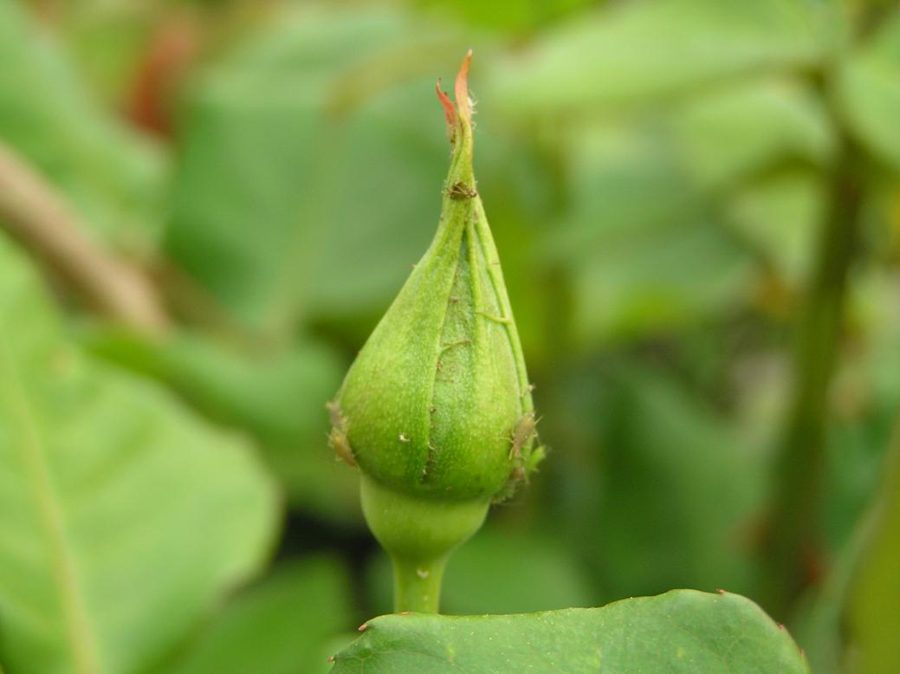
Rose Bush
Rosa spp.Roses are classic flowering shrubs valued for color, fragrance, and long bloom season. In Colorado, most problems show up when roses are drought-stressed, heat-stressed, crowded (poor airflow), or watered overhead. Consistent deep watering, mulch, and good pruning practices prevent most issues.
- 14
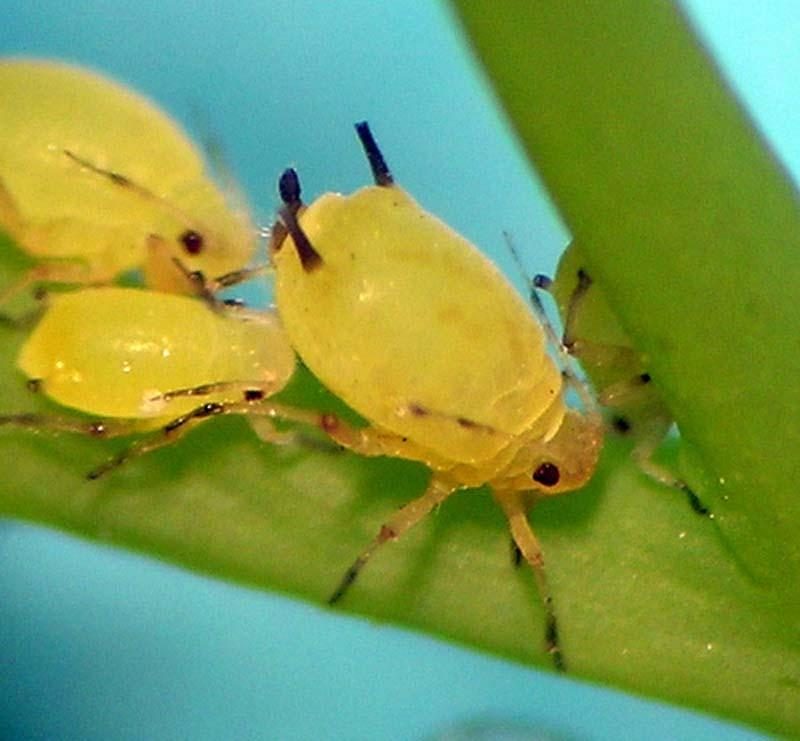
Spirea
Spiraea spp.Spirea is a compact, deciduous flowering shrub commonly used in foundation plantings and mass beds. In Colorado it is generally low-maintenance, but drought stress, dense growth, and poor airflow can allow insects and foliar diseases to develop.
- 15
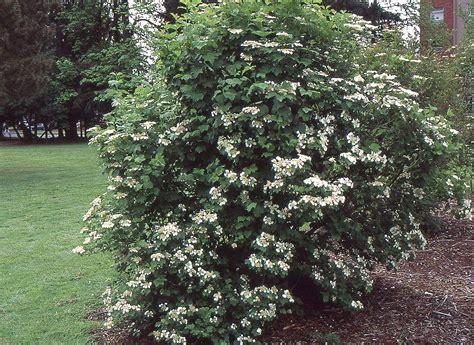
Viburnum
Viburnum spp.Viburnum is a popular deciduous (some semi-evergreen) flowering shrub used for hedges, screens, and foundation plantings. Many viburnums provide spring flowers, fall color, and berries. In Colorado, most issues are seasonal and manageable with proper watering, pruning, sanitation, and timely scouting.
- 16
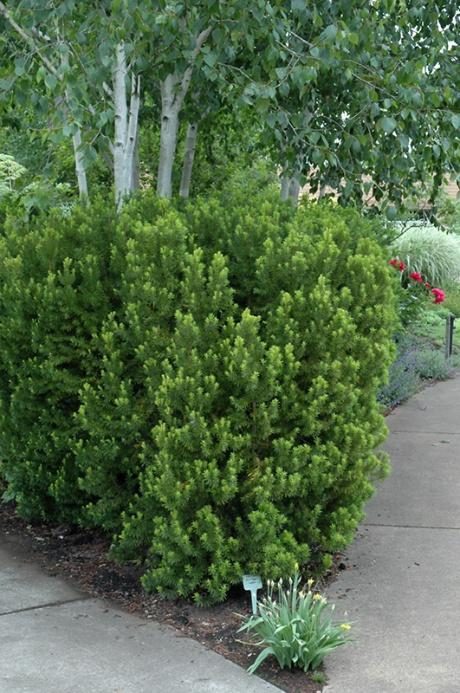
Yews
Taxus spp. — Japanese Yew, English Yew, Hybrid YewsYews are durable, shade-tolerant evergreens widely used in Colorado landscapes. They are generally tough but can suffer from winter burn, root issues, needle blight, and occasional insect pests. Yews are highly sensitive to overwatering and poor drainage, which is the #1 cause of decline in Colorado soils.
Shrub species health profiles
Each profile lists the common problems recorded for that species in Front Range landscapes, along with pruning and watering practices that prevent most of them.
- 01
Common Lilac
Syringa vulgaris4 tracked problems · full health profile
Powdery mildew in shaded or crowded sites (mid summer–fall).
- 02
Panicle Hydrangea
Hydrangea paniculata3 tracked problems · full health profile
Leaf scorch during extreme heat or drought.
- 03
Anglo Japanese Yew
Taxus x media3 tracked problems · full health profile
Winter burn in exposed locations.
- 04
Barberry
Berberis thunbergii4 tracked problems · full health profile
Root rot in overwatered or poorly drained beds.
- 05
Burning Bush
Euonymus alatus4 tracked problems · full health profile
Scale insects on stressed or crowded plants.
- 06
Cheyenne Privet
Ligustrum vulgare 'Cheyenne'3 tracked problems
Winter dieback on tips in severe seasons.
- 07
Common Boxwood
Buxus sempervirens4 tracked problems · full health profile
Winter burn and bronzing on exposed foliage.
- 08
Common Privet
Ligustrum vulgare3 tracked problems · full health profile
Winter tip dieback in severe seasons.
- 09
Diablo Ninebark
Physocarpus opulifolius 'Monlo'3 tracked problems · full health profile
Powdery mildew in crowded or shaded plantings.
- 10
Golden Currant
Ribes aureum4 tracked problems · full health profile
Powdery mildew in low-airflow sites.
- 11
Shrubby Potentilla
Potentilla fruticosa3 tracked problems · full health profile
Woody, open centers when never pruned.
- 12
Spirea
Spiraea japonica3 tracked problems · full health profile
Powdery mildew in crowded plantings.
- 13
Spreading Euonymus
Euonymus kiautschovicus3 tracked problems
Euonymus scale — the most common and most damaging pest of this species.
- 14
Viburnum
Viburnum spp.4 tracked problems · full health profile
Iron chlorosis in alkaline soils.
Shrub decline is usually a site problem
A Great Western arborist can separate pest damage from watering, exposure and pruning history before anything is treated.