Plant Health Profile
Yews
Taxus spp. — Japanese Yew, English Yew, Hybrid Yews
Yews are durable, shade-tolerant evergreens widely used in Colorado landscapes. They are generally tough but can suffer from winter burn, root issues, needle blight, and occasional insect pests. Yews are highly sensitive to overwatering and poor drainage, which is the #1 cause of decline in Colorado soils.
Seasonal Pest & Disease Calendar
| Problem | Type | Active Season |
|---|---|---|
| Winter burn / desiccation | Environmental | Winter–Early Spring |
| Black Vine Weevil | Insect | Summer feeding |
| Scale insects | Insect | Spring–Summer |
| Spider mites | Mites | Summer–Fall |
| Phytophthora root rot | Fungus (soilborne) | Year-round in wet soils |
| Botryosphaeria / other stem cankers | Fungus | Summer–Fall |
Pest & Disease Guide (Homeowner-Friendly)
1. Winter Burn / Desiccation (MOST COMMON IN COLORADO)
Symptoms
- Needles turn orange, bronze, or brown
- Outer foliage scorches while inner stays green
- Most common on south or west exposures
Treatment
- Winter watering every 4–6 weeks when dry
- Mulch 2–3" around root zone
- Avoid late-fall fertilizer pushes
- Prune lightly in spring to remove dead tips
2. Black Vine Weevil
Symptoms
- Notched leaf edges (“half-moon” bites) from adults
- Larvae feed on roots, causing thinning or dieback
- Shrub looks weak despite watering
Treatment
- Apply beneficial nematodes to soil (late summer)
- Systemic insecticides for adults (spring–summer)
- Remove mulch piled against stems
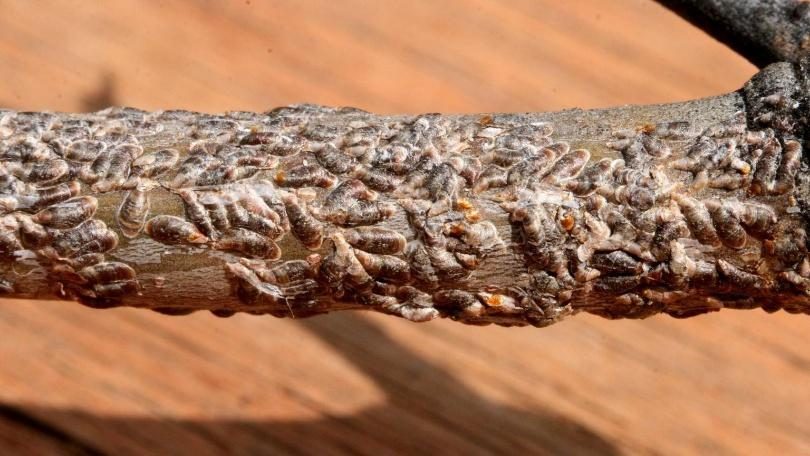
3. Scale Insects
Symptoms
- Small bumps on stems or needles
- Sticky honeydew or sooty mold sometimes present
- Thinning or stunted growth
Treatment
- Horticultural oil (spring)
- Systemic insecticides (summer)
- Light pruning of infested twigs
4. Spider Mites
Symptoms
- Yellowing, stippled needles
- Fine webbing
- Most common in hot, dry summers
Treatment
- Rinse foliage with water
- Miticides if severe
- Keep soil evenly moist (not soggy!)
5. Phytophthora Root Rot (VERY COMMON CAUSE OF DECLINE)
Symptoms
- Sudden or progressive dieback
- Wilting despite watering
- Brown, mushy roots
- Often due to overwatering or clay soils
Treatment
- Improve drainage immediately
- Reduce watering frequency
- Remove mulch against trunk
- Fungicides are usually ineffective once rot is advanced
- Replace with more water-tolerant species if site is chronically wet
6. Stem Cankers (Botryosphaeria & Others)
Symptoms
- Random branch dieback
- Sunken, cracked, or blackened stems
- Often follows drought or winter injury
Treatment
- Prune 6–8" into healthy wood
- Sanitize tools
- Improve watering consistency
When to Worry vs. When It’s Cosmetic
When to Worry (Action Needed)
- Rapid browning or dieback on entire branches
- Needles turning bronze after winter with no green underneath
- Plants wilting despite water (possible root rot)
- Sticky residue indicating scale infestation
- Notching on leaves + thinning (weevil activity)
- Mostly Cosmetic (Monitor Only)
- Light bronzing on exposed sides (recoverable)
- Minor notches on leaves without thinning
- Occasional mite stippling
- Slight tip dieback easily pruned in spring
Diagnostic Imagery
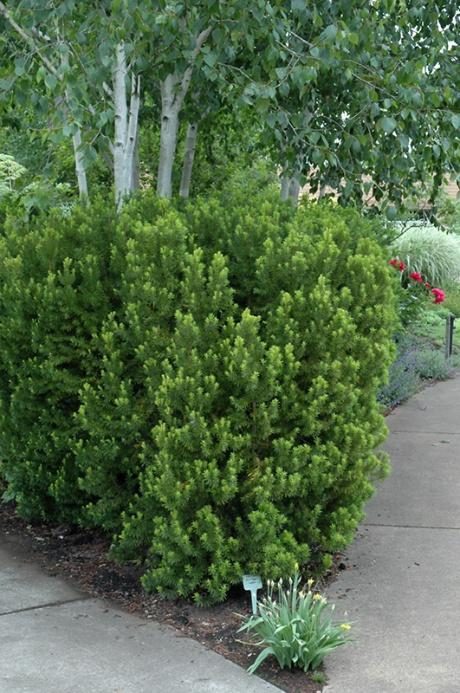
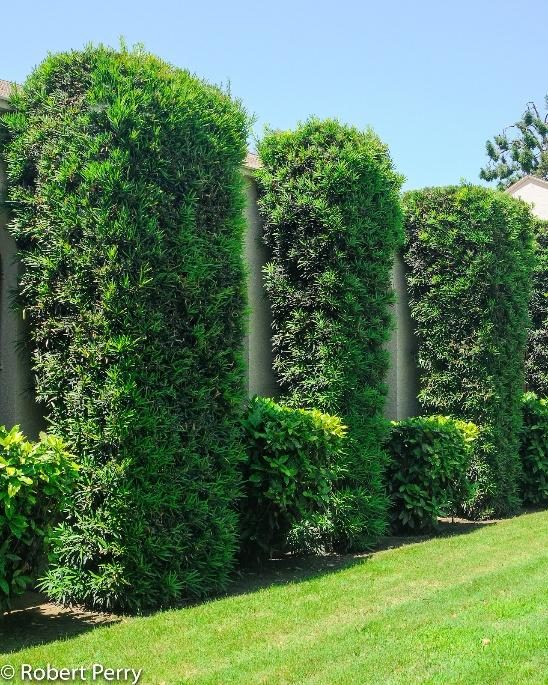
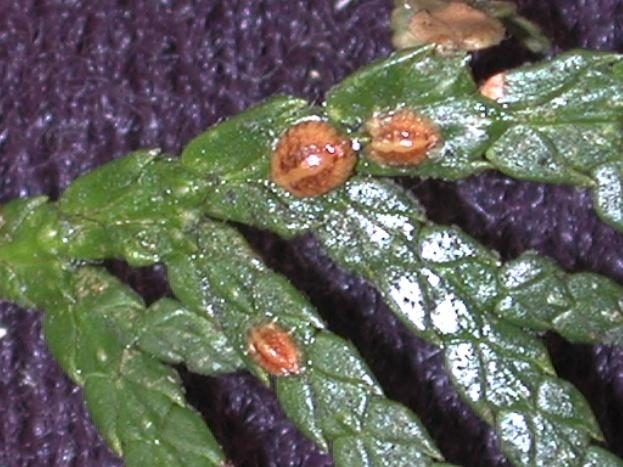
Black Vine Weevil
Black Vine Weevil
Other plant health profiles
Related services
Great Western Tree Care
Shrub decline is usually a site problem
A Great Western technician can confirm the diagnosis on site before anything is treated — timing matters more than product choice.