Anglo Japanese Yew
Taxus x media
The Anglo-Japanese yew is a hardy, evergreen shrub that thrives in Colorado's cold winters and alkaline soils. With year-round deep green color, shade tolerance, and low maintenance needs, it's a reliable choice for structure and privacy in Front Range landscapes.
Quick specifications
- Mature Size
- 8–15 ft tall | 6–12 ft wide (varies by cultivar)
- Growth Rate
- Slow to moderate
- Form
- Upright to spreading evergreen shrub
- Foliage
- Dark green, needle-like leaves
- Sun
- Partial shade to shade preferred; protect from winter sun
- Water
- Winter watering during dry periods is important
- Soil
- Requires excellent drainage — standing water causes decline
- Lifespan
- 50+ years with proper siting and care
- Hardiness
- One of the most cold-hardy yews available
- Native Status
- Non-native
Overview
Yews are durable, shade-tolerant evergreens widely used in Colorado landscapes, upright to spreading in form with dark green, needle-like foliage.
They are generally tough but can suffer from winter burn, root issues, needle blight, and occasional insect pests.
Identification
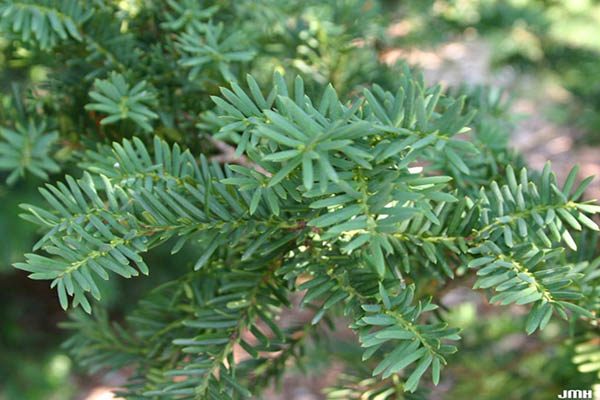
Needle detail
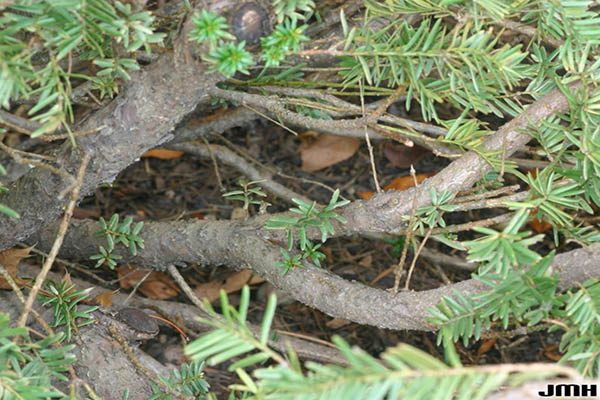
Structure
Colorado Suitability
One of the most cold-hardy yews available.
Excellent shade tolerance compared to most evergreens.
Responds very well to pruning and shaping.
Reliable evergreen structure for protected Front Range sites.
Planting Considerations
- Partial shade to shade preferred; protect from winter sun.
- Requires excellent drainage — standing water causes decline.
- Avoid exposure to drying winter winds.
Care
- Winter water every 4–6 weeks when conditions are dry.
- Mulch 2–3 inches over the root zone, and keep mulch off the stems.
Best Use Scenarios
- Foundation plantings
- Formal hedges and screens
- Shaded courtyards and north-facing sites
- Landscapes needing evergreen structure in low light
Common Problems
- Winter burn in exposed locations.
- Phytophthora root rot in poorly drained or overwatered soils — the leading cause of decline in Colorado.
- Occasional spider mites in hot, dry sites; scale insects and black vine weevil.
Related Diseases
Related Shrubs
Related Services
When you want a professional opinion
The Root exists to help you understand your landscape. When a tree needs hands-on evaluation, a Great Western arborist can look at it in person.