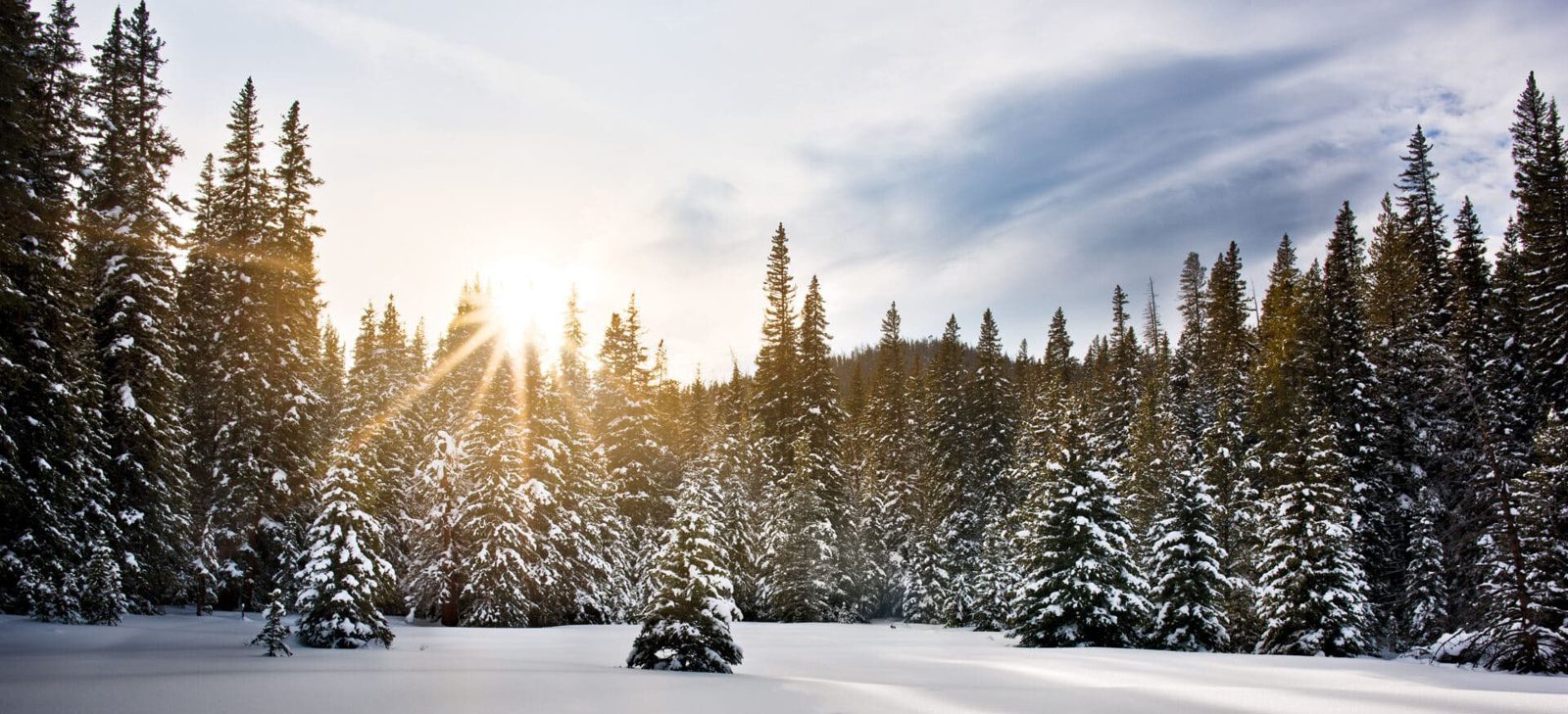
Great Western Tree Care arborist providing winter tree care in a snowy Colorado landscape
Tree Care In Monument, Colorado

Tree Service in Monument, CO

Wildfire-conscious tree care for Monument's ponderosa pine forest-interface properties — defensible space work, storm damage response, and plant health care from ISA-Certified Arborists.

At roughly 7,000 feet on the south side of the Palmer Divide, Monument properties sit in native forest, not a planted suburban canopy — that changes how tree care should be done.

Serving Colorado's Front Range · (720) 535-8769

Local Introduction

Your Trusted Tree Service in Monument

Monument sits at roughly 7,000 feet on the south side of the Palmer Divide in El Paso County, where suburban development meets native ponderosa pine forest. Unlike most Front Range communities where the tree canopy was planted, much of Monument's tree cover is naturally occurring forest that existing homes were built into — which means tree care here is inseparable from wildfire risk management.

Ponderosa pine and Gambel oak dominate the landscape, growing on thin, decomposed-granite soils that drain quickly and hold little organic matter. Heavy snow loading, high wind events funneling across the Divide, and periodic bark beetle pressure all shape what good tree care looks like on a Monument property.

From our Larkspur and Aurora locations, Great Western Tree Care serves homeowners throughout Douglas County, the Denver Metro, and surrounding Front Range communities — including forest-interface properties in Monument and greater El Paso County. Call (720) 535-8769 for your free Monument tree care estimate.

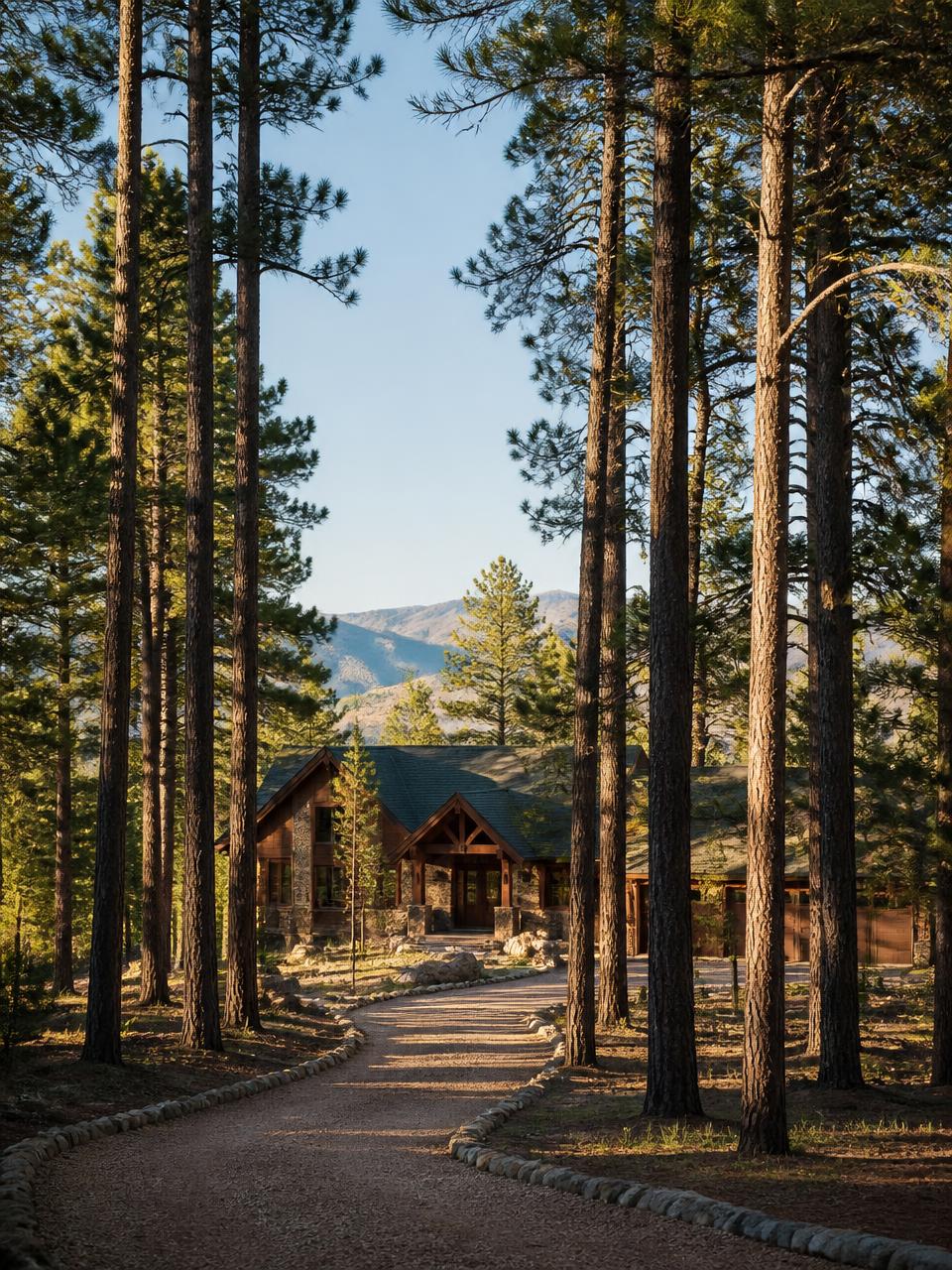
Tall ponderosa pines surrounding a wooded residential property in Monument, Colorado
Tree Services

Tree Services in Monument

Monument's forest-interface setting calls for a different service mix than a typical suburban Front Range property — wildfire mitigation, storm damage response, and native conifer health care sit alongside the standard residential tree services.

01

Tree Pruning & Trimming

Ponderosa pine on Monument properties benefits from crown raising to reduce ladder fuels and deadwood removal to reduce fire intensity and beetle habitat, in addition to standard structural pruning.

Our arborists prune to ANSI A300 standards while factoring in the defensible-space goals that matter on a forest-interface lot, not just aesthetics or clearance.

Explore Service
02

Tree Removal

Removing hazard trees, beetle-killed pines, or overcrowded stands near a home requires careful planning given steep terrain, granite outcrops, and limited equipment access common on Monument lots.

Our crews handle technical removals near structures and power lines, including situations where trees must come down in sections due to site constraints.

Explore Service
03

Tree Planting

Monument's thin, fast-draining decomposed-granite soils and exposure to wind and intense high-altitude sun make species selection and site preparation critical for new plantings.

We choose species suited to native mountain conditions and plant with an establishment watering plan appropriate for well or municipal water district service.

Explore Service
04

Tree & Pest Disease Management

Monument's ponderosa pine forest faces real pressure from Ips engraver beetles and mountain pine beetle, particularly in drought years and in overcrowded, stressed stands.

Programs include preventive insecticide applications timed to beetle flight periods and monitoring for early signs of infestation, since beetle-killed pines can become hazard trees and additional fuel load quickly.

Explore Service
05

Tree Fertilization & Soil Health

Thin, rocky, decomposed-granite soils common around Monument hold little organic matter and drain quickly, leaving trees with limited nutrient reserves compared to deeper valley soils.

Soil-based fertilization programs help support tree vigor and resistance to insect and drought stress on these lean, mountain soils.

Explore Service
06

Essential Watering

Native ponderosa pine and Gambel oak are adapted to periodic drought, but ornamental and younger plantings on Monument properties still need supplemental watering, particularly where soils drain quickly.

We design watering programs appropriate to well or water-district service, since supply and irrigation capacity vary significantly by property in this area.

Explore Service
07

Tree Risk Assessment

Standing dead or beetle-killed pines, wind-damaged trees, and trees weakened by heavy snow loading all present risk on forest-interface properties near homes and driveways.

Our TRAQ-qualified arborists evaluate structural condition and beetle activity, and provide standardized risk ratings to support removal or mitigation decisions.

Explore Service
08

Tree Cabling & Bracing

Some structurally compromised trees can be preserved with supplemental support rather than removed outright, particularly high-value specimen trees near a home.

We install cabling and bracing systems designed to reduce failure risk from wind and snow load on trees worth retaining.

Explore Service
09

Lawn Care

Turf areas on Monument properties are typically smaller and more limited than in suburban Denver Metro yards, given the native forest and rock outcrop terrain, but where lawns exist they face their own high-altitude, thin-soil challenges.

We tailor aeration, fertilization, and pest and weed control to the realities of mountain-elevation turf.

Explore Service
Local Context

Monument's Tree Care Landscape

Monument's landscape is shaped by its position on the Palmer Divide, its elevation, and the native forest that most homes were built directly into.

Ponderosa Pine Forest Interface

Much of Monument sits within native ponderosa pine forest rather than a planted suburban canopy. Homes are frequently built among mature stands of pine, with Gambel oak forming a dense understory in many areas.

This forest-interface character means tree management decisions carry direct implications for wildfire risk, not just landscape aesthetics.

Elevation & the Palmer Divide

At roughly 7,000 feet on the south side of the Palmer Divide, Monument experiences more extreme wind, heavier snow accumulation, and a shorter growing season than lower-elevation Front Range communities.

The Divide acts as a wind corridor, and high-wind events are a regular occurrence that stresses trees and increases limb and stem failure risk.

Thin, Decomposed-Granite Soils

Soils around Monument are frequently thin, rocky, and derived from decomposed granite — fast-draining, low in organic matter, and slower to develop deep, stable root systems than the deeper soils found in valley and metro locations.

These soil conditions affect everything from establishment watering to root plate stability in high wind.

Well & District Water

Water service in the Monument area comes from a mix of private wells and local water districts, and availability varies significantly by property.

Supplemental tree watering plans need to account for the specific water source and any capacity constraints on a given property.

Species

Trees Commonly Encountered in Monument Landscapes

Monument's forest-interface setting is dominated by native conifer and understory species, with ornamental plantings around home sites. Each presents distinct management needs that we evaluate on site.

  • Ponderosa Pine

    The dominant native forest species; central to both landscape character and wildfire mitigation planning.

  • Gambel Oak

    Dense native understory shrub-tree; contributes significant fuel load if left unmanaged near structures.

  • Douglas Fir

    Found in cooler, north-facing drainages and shaded sites at this elevation.

  • Colorado Blue Spruce

    Common ornamental planting around home sites; susceptible to cytospora canker.

  • Rocky Mountain Juniper

    Native, drought-tolerant conifer used for screening and windbreaks.

  • Quaking Aspen

    Planted or naturally occurring in moister pockets; sensitive to root disturbance and drought.

  • Blue Spruce Ornamentals

    Widely planted around driveways and home sites; needs monitoring for winter desiccation on exposed sites.

  • Crabapple

    Common ornamental flowering tree in landscaped areas; vulnerable to fire blight.

  • Bur Oak

    A durable shade tree option for landscaped areas around a home site.

  • Apple

    Grown in some home orchards at this elevation; monitored for fire blight during bloom.

Species identification and condition are confirmed on site — we don't diagnose Monument trees from a list.

Local Conditions

Common Tree Care Challenges in Monument

  1. 01

    Wildfire Risk & Fuel Load

    Monument's forest-interface setting means dense ponderosa pine stands and Gambel oak understory near homes represent real wildfire fuel load, particularly during dry years.

    Thinning overcrowded stands, raising crowns, removing deadwood, and clearing ladder fuels near structures are central to reducing that risk.

  2. 02

    Ips Engraver & Mountain Pine Beetle

    Bark beetles are a persistent pressure on Monument's ponderosa pine, especially in drought years and in dense, competition-stressed stands.

    Beetle-killed trees become hazard trees quickly and add to fire fuel load, making early detection and timely removal important.

  3. 03

    Heavy Snow Loading

    Monument's elevation and position on the Palmer Divide bring significant snow accumulation, and heavy, wet spring snow can overload conifer branches and cause stem failure in already stressed or structurally compromised trees.

    Regular deadwood removal and structural evaluation reduce the risk of snow-load failures near homes and driveways.

  4. 04

    High Wind Exposure

    The Palmer Divide is a well-known wind corridor, and Monument properties regularly experience high-wind events that test root plate stability and canopy structure.

    Trees with existing root or structural defects are particularly vulnerable, making periodic risk assessment worthwhile for large trees near structures.

  5. 05

    Thin Soils & Limited Water Availability

    Decomposed-granite soils common around Monument are shallow, fast-draining, and low in organic matter, limiting the water and nutrient reserves available to trees, particularly during drought.

    Because water service comes from a mix of wells and local districts, supplemental watering plans must be tailored to what a given property can realistically supply.

  6. 06

    Overcrowded, Competition-Stressed Stands

    Ponderosa pine stands that have never been thinned often contain more trees than the site can support long-term, leading to competition for water and nutrients that leaves the whole stand more vulnerable to beetle attack and drought stress.

    Selective thinning improves the health and resilience of the remaining trees while reducing wildfire fuel continuity.

Plant Health

Pest & Disease Pressures in Monument

Monument's native conifer forest faces pressures typical of Front Range mountain-interface communities at this elevation, with bark beetles the most consequential.

Ips Engraver Beetle

Attacks stressed and drought-weakened ponderosa pine, often moving quickly through slash piles, storm-damaged trees, and overcrowded stands. Prompt removal of infested material and reduced stand density help limit spread.

Mountain Pine Beetle

A significant historical and ongoing threat to Front Range ponderosa pine, particularly during drought cycles. Preventive insecticide applications timed to beetle flight periods protect high-value trees; early detection matters since infested trees can't be saved once beetles are established under the bark.

Cytospora Canker

Affects ornamental Colorado blue spruce planted around home sites, typically appearing on lower branches of stressed or wounded trees.

Fire Blight

Affects crabapple, apple, and related ornamental and fruiting species during warm, wet spring bloom periods.

Full diagnostic and treatment detail lives on our Tree & Pest Disease Management page — this section covers how those pressures typically show up on Monument properties.

Regulatory

Wildfire Mitigation & Local Requirements

Defensible Space Guidance

El Paso County and local fire protection districts serving the Monument area promote defensible-space practices for forest-interface properties, generally focused on reducing fuel continuity near structures.

We plan tree spacing, crown raising, and deadwood removal with these general defensible-space principles in mind.

Fire Protection District Coordination

Monument-area properties are typically served by local fire protection districts that may offer chipping programs, mitigation guidance, or slash disposal resources during certain periods.

Homeowners should confirm current programs and requirements directly with their local fire district.

Private Property Trees

For trees on private residential property, homeowners generally have authority to prune, thin, or remove trees for wildfire mitigation purposes, though HOA covenants in some Monument subdivisions may add landscape guidelines.

Requirements may vary by property, subdivision, and fire protection district. Homeowners should confirm current local wildfire mitigation guidance and any HOA rules that apply — this information is provided as general guidance, not legal advice.

Our Approach

Diagnose First. Recommend Second.

ISA-Certified Arborists on Staff
3ISA-Certified Arborists on Staff
CDA Plant Health Care Qualified Supervisors
3CDA Plant Health Care Qualified Supervisors
TRAQ-Certified Professionals
2TRAQ-Certified Professionals
Certified Treecare Safety Professional
1Certified Treecare Safety Professional
Family-Owned, Headquartered in Larkspur, Colorado
2018Family-Owned, Headquartered in Larkspur, Colorado

Before we recommend anything on a Monument property, we evaluate species, tree age, structure, soil, water availability, pest and disease pressure, site conditions, surrounding structures, and the long-term value of the tree. The recommendation follows the diagnosis — never the other way around.

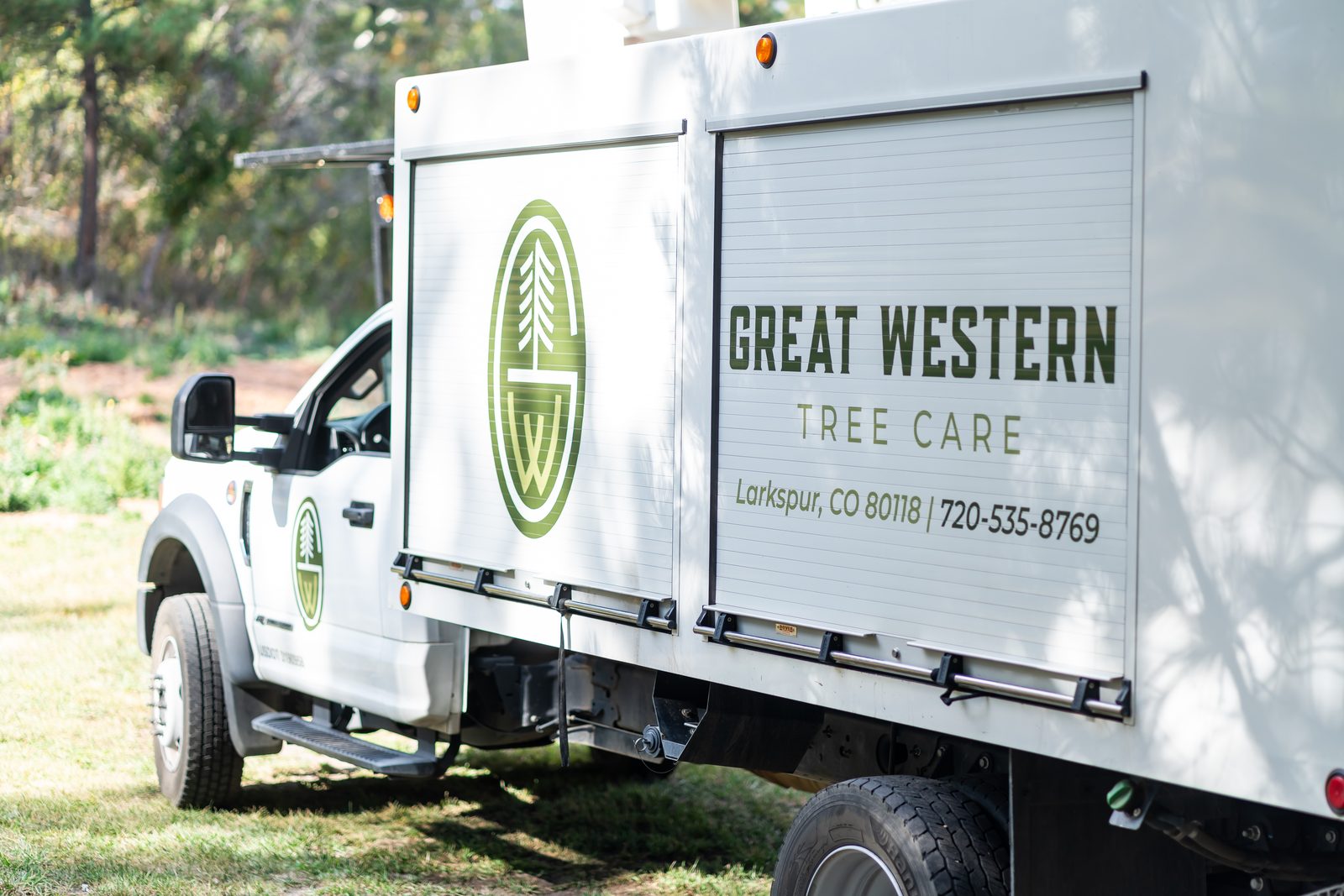
Great Western Tree Care branded service truck parked on a residential Colorado property
01On-Site Consultation
We visit your Monument property and assess species, health, structural concerns, soil type, water source, and defensible-space considerations.
02Diagnosis & Proposal
We prepare a detailed scope with recommendations, pricing, and scheduling, and explain our findings before any work begins.
03Scheduling & Preparation
Work is scheduled in the right seasonal window, with access routes, terrain, and utility clearances confirmed in advance.
04Service Execution
ISA-Certified Arborists and trained crews perform all work to ANSI A300 standards, documenting services and products applied.
05Follow-Up & Monitoring
We assess tree and stand response at subsequent visits and adjust ongoing care and mitigation plans based on observed outcomes.
Coverage

Monument-Area Communities We Serve

We work throughout Monument and the surrounding Tri-Lakes communities, where forested lots and open-plains properties often sit within a few miles of one another.

  • Woodmoor
  • Jackson Creek
  • Gleneagle
  • Red Rock Ranch
  • Higby Estates
  • Kings Deer
  • Palmer Lake
  • Monument Ridge
  • Sanctuary Pointe
Questions

FAQs About Tree Service in Monument

Why is wildfire mitigation part of routine tree care in Monument?

Monument sits within native ponderosa pine forest, and homes are often built directly among dense stands with Gambel oak understory. Reducing fuel load near structures — through thinning, crown raising, and deadwood removal — is one of the most effective steps a homeowner can take to reduce wildfire risk, and it's a routine part of tree care in this setting rather than a separate service.

How do I know if my ponderosa pines have bark beetles?

Early signs include pitch tubes on the bark, reddish-brown boring dust at the base of the tree, and fading or reddening needles in the crown over the following months. Because infested trees can't be saved once beetles are established under the bark, early inspection and prompt removal of infested material matters for protecting the rest of the stand.

What's the best time to thin or prune trees for wildfire mitigation?

Thinning and pruning for defensible space can generally be done any time of year, though late fall through winter often makes access easier and reduces disturbance during the active growing season. Any removed slash and debris should be chipped, hauled off, or otherwise disposed of promptly rather than left as additional fuel.

My property is on a well — how does that affect tree watering recommendations?

Well capacity varies significantly by property, so we design supplemental watering plans around what a well can realistically sustain, prioritizing the trees and areas that matter most rather than recommending a blanket watering schedule that may not be practical for your water supply.

Do I need a permit to remove trees on my Monument property for mitigation?

Homeowners generally have authority to manage trees on their own private property for wildfire mitigation purposes, though requirements can vary by subdivision and HOA. We recommend confirming current guidance with your local fire protection district and any applicable HOA before major removal work.

What trees are appropriate to plant on a Monument property?

Species adapted to native mountain conditions — thin soils, drought, high wind, and heavy snow — perform best. Native options like ponderosa pine and Rocky Mountain juniper are well suited to the site, while hardy shade options such as bur oak can work well in more sheltered landscaped areas near a home.

Nick Anderson, a Great Western Tree Care arborist, on a Colorado property
Nick Anderson, Sales Manager, Great Western Tree Care
Free Estimate

Need Tree Care in Monument?

Great Western Tree Care provides free on-site evaluations for residential properties across Monument. Our ISA-Certified Arborists assess your trees' health, structural condition, and wildfire mitigation needs before recommending any services.

(720) 535-8769

Serving Colorado’s Front Range