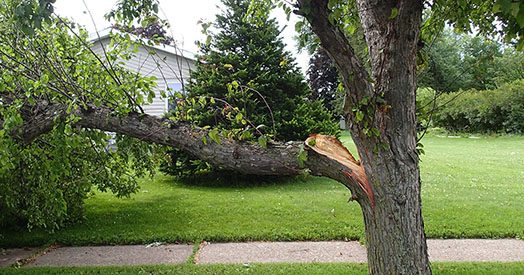
Great Western Tree Care arborist assessing risk of failure in a mature tree in Colorado
Tree Care In Lone Tree, Colorado

Tree Service in Lone Tree, CO

Tree care for one of Douglas County's youngest urban forests — helping Lone Tree's maturing landscape grow stronger, safer and more resilient.

Much of Lone Tree's canopy was installed alongside the community itself. As those developer-planted spruce, pine, ash and ornamental trees mature, the priorities shift from establishment to structure, soil health, pest management and long-term risk reduction.

Serving Colorado's Front Range · (720) 535-8769

Local Introduction

Lone Tree's Professional Tree Care Specialists

Great Western Tree Care provides comprehensive tree services for homeowners and property managers throughout Lone Tree, CO. Lone Tree is an affluent community in Douglas County, with approximately 14,000 residents spread across master-planned neighborhoods and mixed-use developments along the I-25 corridor between Park Meadows and the RidgeGate development.

Incorporated in 1995, Lone Tree features relatively young but maturing tree plantings installed during the community's rapid development from the late 1990s through the 2010s. From maturing blue spruce and Austrian pine maintenance along RidgeGate Parkway to ornamental tree pruning and trimming in the upscale neighborhoods near Lone Tree Golf Club, our ISA-Certified Arborists deliver reliable care tailored to Lone Tree's planned suburban landscape and growing tree canopy.

Every engagement starts with an on-site evaluation. Call (720) 535-8769 for your free Lone Tree tree care estimate.

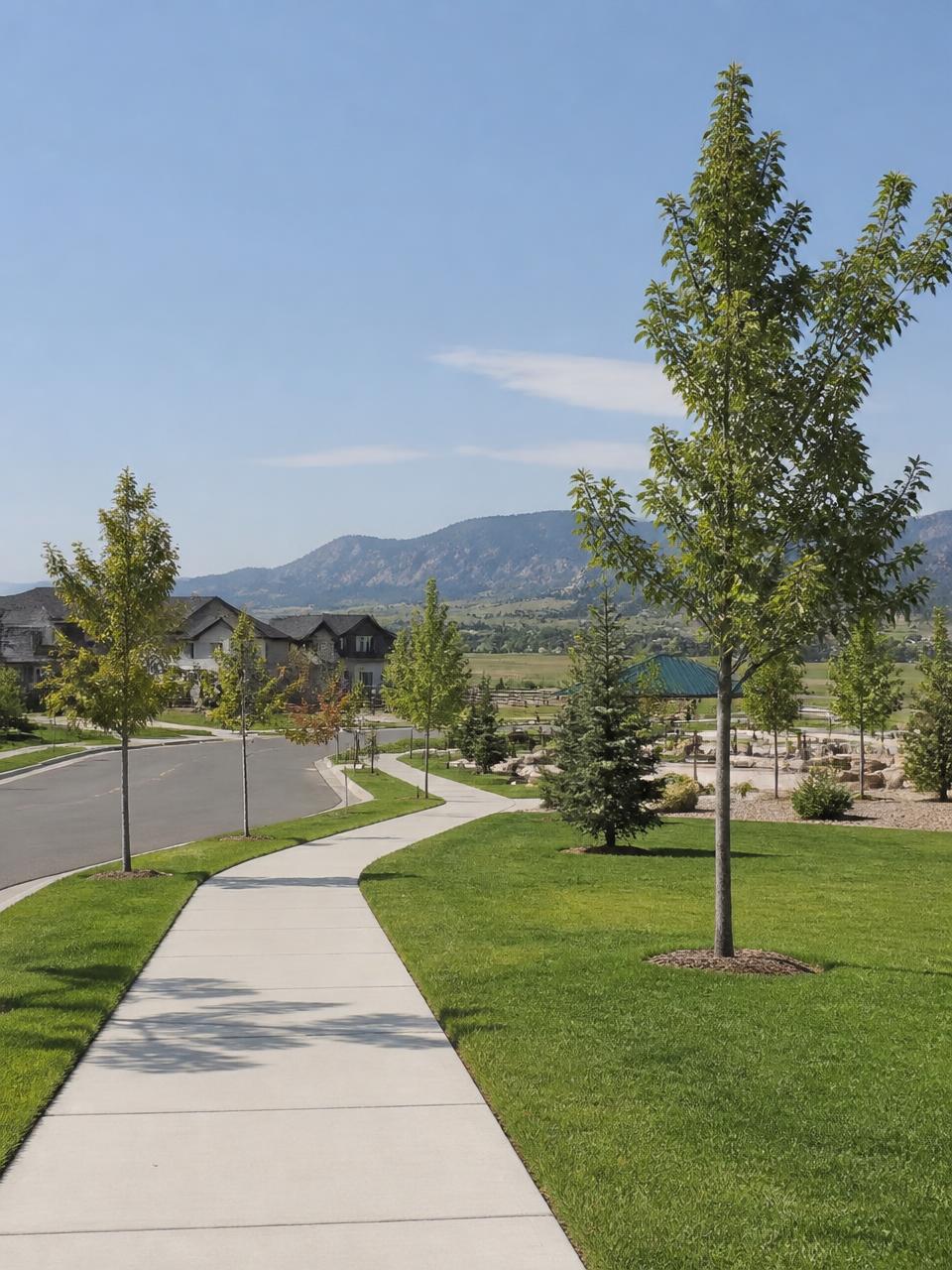
Maturing landscape trees along a master-planned Lone Tree, Colorado neighborhood street
Tree Services

Tree Services in Lone Tree, CO

Our ISA-Certified Arborists deliver specialized services designed for Lone Tree's specific species mix, HOA landscape requirements, alkaline clay soils, and planned community architecture.

01

Tree Pruning & Trimming

Lone Tree's residential landscapes feature extensive plantings of blue spruce, Austrian pine, honeylocust, Autumn Blaze maple, and various ornamental crabapples installed during neighborhood development. As these trees mature — many now 20 to 30 years old — they require regular crown cleaning, structural pruning, and clearance cuts to maintain safe distances from rooflines, walkways, and overhead utility lines.

Our crews follow ANSI A300 pruning standards and adapt techniques to each species — structural thinning for dense spruce canopies, deadwood removal on aging Austrian pine, and crown reduction on maples and honeylocusts that have outgrown their original planting sites. HOA compliance is a significant consideration in Lone Tree, and we coordinate with association management before beginning work on properties subject to architectural review.

Explore Service
02

Tree Removal

Storm-damaged blue spruce, declining Austrian pine affected by tip blight and needlecast, and honeylocusts with structural defects from ice loading are common removal requests in Lone Tree. The community's newer construction and wider lot spacing in many neighborhoods allow for more straightforward removal operations than older urban areas, but proximity to homes, fences, outdoor living spaces, and underground irrigation systems still requires sectional dismantling with rigging systems for most projects.

Crane-assisted removal is available for large trees adjacent to structures or in locations with limited equipment access. We coordinate with Xcel Energy for removals near overhead power lines and with HOAs for trees subject to association oversight.

Explore Service
03

Tree Planting

Replacing removed trees with well-adapted species maintains property values and neighborhood aesthetic standards while improving long-term canopy sustainability. Our tree planting services include species selection based on available space, sun exposure, soil composition, and HOA architectural guidelines.

For Lone Tree's suburban lots, we commonly recommend disease-resistant elm varieties (Accolade, Triumph), Kentucky coffeetree, Autumn Blaze maple, bur oak, and ornamental options like Prairifire crabapple, serviceberry, and Japanese tree lilac. We help homeowners select replacement species that will perform better than the declining blue spruce and Austrian pine that dominate many Lone Tree streetscapes.

Explore Service
04

Tree & Pest Disease Management

Emerald ash borer (EAB) represents the most significant tree pest threat in Lone Tree, given Douglas County's confirmed EAB detections and the presence of green ash in both common areas and residential landscapes. We provide preventive trunk injection treatments using emamectin benzoate that protect individual trees for up to two years per application.

Additional pest concerns include ips beetle infestations on stressed spruce and pine, cytospora canker and rhizosphaera needlecast on blue spruce, aphid infestations on honeylocust, and spider mite damage during hot, dry summers. The community's relatively young tree population means many specimens are still establishing, making early pest detection and treatment critical for long-term canopy health.

Explore Service
05

Tree Fertilization & Soil Health

Lone Tree sits on the high plains at approximately 5,900 feet elevation, with heavy clay soils that are naturally alkaline and heavily compacted from construction activity during the community's rapid development. Our deep root fertilization programs inject slow-release nutrients directly into the root zone at 8–12 inch depth, bypassing compacted surface layers.

We customize formulations based on soil test results — iron chlorosis is extremely common in Lone Tree's alkaline soils, particularly affecting maples, oaks, and pin oaks. Our iron chelate treatments correct chlorosis and restore healthy green foliage.

Explore Service
06

Essential Watering

Supplemental watering is essential for tree survival in Lone Tree's semi-arid climate, particularly during summer drought periods and critical winter months when frozen ground prevents natural moisture absorption. Our tree watering programs include deep root soaking during summer and critical winter watering between November and March.

Many of Lone Tree's trees were planted during development and may have root systems constrained by compacted soils, making supplemental watering particularly important during their continued establishment. We coordinate with existing irrigation systems and adjust watering schedules based on seasonal precipitation patterns.

Explore Service
07

Tree Risk Assessment

Lone Tree experiences frequent summer thunderstorms with straight-line winds, large hail, and heavy wet spring snow that loads canopies beyond their structural capacity. The community's location along the Palmer Divide transition zone makes it particularly susceptible to severe weather events.

Our ISA-certified risk assessments evaluate structural integrity, root plate stability, target zones (homes, outdoor living areas, play structures, vehicles), and species-specific failure patterns. We provide detailed written reports that satisfy insurance requirements, HOA documentation standards, and real estate transaction needs.

Explore Service
08

Tree Cabling & Bracing

Mature trees with codominant stems, included bark, weak branch unions, and wide-spreading crowns benefit from supplemental support systems. Our tree cabling and bracing installations use Cobra dynamic cabling systems and through-bolt bracing hardware to preserve structurally compromised but otherwise healthy trees.

As Lone Tree's original plantings reach structural maturity, cabling and bracing services are increasingly valuable for preserving defining landscape specimens that contribute to property value and neighborhood character.

Explore Service
09

Lawn Care

Healthy turf supports healthy trees by maintaining consistent soil moisture, microbial activity, and nutrient cycling. Our lawn care services include aeration to combat Lone Tree's compacted clay soils, overseeding with drought-tolerant fescue and bluegrass blends adapted to Colorado's high plains climate.

We also provide fertilization programs timed to regional growing patterns and targeted grub and fungus treatments across residential and commercial properties.

Explore Service
Local Context

The Lone Tree, CO Tree Care Landscape

Lone Tree occupies approximately 8 square miles in northern Douglas County along the I-25 corridor, positioned between Park Meadows to the north and Castle Pines to the south. The city incorporated in 1995 from unincorporated county land, and its development reflects the rapid suburban expansion that characterized Douglas County from the mid-1990s onward.

A Planned Urban Forest

The community's tree canopy is almost entirely the result of planned landscape installation during residential and commercial development. Unlike older Denver metro communities with legacy tree plantings and natural riparian corridors, Lone Tree's urban forest was designed from scratch — with species selected by landscape architects and installed by developers as part of subdivision construction.

Blue spruce, Austrian pine, honeylocust, green ash, and Autumn Blaze maple were the dominant selections during Lone Tree's primary development period.

Single-Species Vulnerability

This planned approach created visually consistent streetscapes but limited species diversity and created vulnerability to single-species disease events. As Colorado blue spruce and Austrian pine decline across the Front Range from disease pressure, Lone Tree's heavily spruce-and-pine-dependent landscape is experiencing significant canopy loss.

Strategic replacement planting with a more diverse species palette is critical for the community's long-term canopy health.

Terrain, Soils & Climate

The city's terrain is gently rolling high plains grassland, with elevations around 5,900 feet. Soils are predominantly alkaline clay — heavy, compacted, and nutrient-poor for many tree species. The growing season is relatively short, summers are hot with intense UV radiation at altitude, and winter brings extended cold periods with periodic chinook wind events that desiccate evergreen foliage.

Commercial & Mixed-Use Development

Lone Tree's commercial development — anchored by the Park Meadows retail area, Sky Ridge Medical Center, and the expanding RidgeGate mixed-use district — includes significant landscape plantings maintained by property management companies. We work with both residential homeowners and commercial property managers throughout the community.

Species

Trees Commonly Encountered in Lone Tree Landscapes

Lone Tree's canopy is largely the product of planned development-era installation. Each species presents distinct management requirements that our ISA-Certified Arborists address through tailored care programs.

  • Blue Spruce

    The community's dominant evergreen selection; widely declining from canker and needlecast.

  • Austrian Pine

    Widely planted for screening; vulnerable to tip blight and ips beetle.

  • Green Ash

    Present in common areas and residential landscapes; at risk from confirmed Douglas County EAB.

  • Honeylocust

    Common shade tree; can develop structural defects from ice loading.

  • Autumn Blaze Maple

    Popular development-era planting; prone to chlorosis in alkaline soils.

  • Prairifire Crabapple

    Ornamental flowering tree; monitor for fire blight.

  • Disease-Resistant Elm (Accolade, Triumph)

    Recommended replacement for declining spruce and pine.

  • Kentucky Coffeetree

    Durable, well-adapted shade tree recommended for replanting.

  • Ohio Buckeye

    Recommended shade tree alternative for Lone Tree's alkaline clay.

  • Bur Oak

    Long-lived, drought-tolerant shade tree recommended for the high plains climate.

  • Serviceberry

    Recommended ornamental for smaller HOA-governed lots.

  • Japanese Tree Lilac

    Recommended flowering ornamental with strong drought tolerance.

  • Ponderosa Pine

    Native evergreen recommended as a climate-adapted replacement for declining spruce and Austrian pine.

  • Limber Pine

    Native evergreen alternative suited to Lone Tree's high plains conditions.

Species identification and condition are confirmed on site — we don't diagnose Lone Tree trees from a list.

Local Conditions

Common Tree Care Challenges in Lone Tree

  1. 01

    Blue Spruce & Austrian Pine Decline

    Colorado blue spruce and Austrian pine across the Front Range are experiencing widespread decline from cytospora canker, rhizosphaera needlecast, and ips beetle infestations. These diseases are particularly aggressive in the compacted, alkaline soils and stressful growing conditions found throughout Douglas County's planned communities.

    Because Lone Tree's landscape was planted heavily with these two species during development, the community faces significant canopy loss without strategic, diversified replacement planting.

  2. 02

    Emerald Ash Borer

    EAB is a confirmed and active threat in Douglas County. Green ash trees planted during Lone Tree's development period, both in common areas and residential landscapes, are directly at risk.

    Preventive trunk injection treatments protect individual trees for up to two years per application.

  3. 03

    Iron Chlorosis in Alkaline Clay

    Iron chlorosis — yellowing foliage with green veins — is extremely common in Lone Tree due to naturally alkaline clay soils that prevent trees from accessing iron. Maples, oaks, and pin oaks are particularly susceptible.

    Our iron chelate injection treatments correct deficiencies and restore healthy green foliage within one growing season.

  4. 04

    Severe Weather Along the Palmer Divide

    Lone Tree experiences frequent summer thunderstorms with straight-line winds, large hail, and heavy wet spring snow that loads canopies beyond their structural capacity. The community's location along the Palmer Divide transition zone makes it particularly susceptible to severe weather events.

  5. 05

    Compacted Soils From Rapid Development

    Lone Tree's heavy clay soils are naturally alkaline and were heavily compacted by construction activity during the community's rapid buildout. Compaction restricts root growth and limits water infiltration, compounding stress on both young and maturing trees.

  6. 06

    HOA Requirements & Architectural Review

    Most Lone Tree properties fall under HOA jurisdiction with approval requirements for tree removal and replacement. Navigating architectural review processes adds a layer of coordination not present in unincorporated county areas.

Plant Health

Pest & Disease Pressures in Lone Tree

Lone Tree's relatively young, single-species-heavy tree population faces a consistent set of insect and pathogen pressures. Early detection and treatment timing are critical for a community still establishing its urban forest.

Emerald Ash Borer

A confirmed and active threat in Douglas County. Preventive trunk injection using emamectin benzoate protects healthy green ash trees for up to two years per application.

Cytospora Canker & Rhizosphaera Needlecast

The dominant disease pressures on Lone Tree's extensive blue spruce plantings, aggravated by compacted, alkaline soils and drought stress typical of Douglas County's planned communities.

Ips Beetle

Bark beetles attack stressed pines and spruce, particularly during drought years. Applications are timed to beetle flight periods, with moisture management addressed as part of the treatment plan.

Aphids & Spider Mites

Aphid infestations affect honeylocust plantings, while spider mite damage intensifies during hot, dry summers — both common in Lone Tree's young, sun-exposed landscapes.

Tip Blight

Affects aging Austrian pine throughout the community, contributing to the broader decline of the species across Lone Tree's development-era plantings.

Iron Chlorosis

Extremely common in Lone Tree's naturally alkaline soils, producing yellowing foliage on maples, oaks, and pin oaks. Chelated iron treatments and soil correction address the underlying cause.

Regulatory

Tree Care, HOAs & Local Requirements

County & City Requirements

Douglas County does not require permits for tree removal on private residential property. The City of Lone Tree may have requirements for trees in public rights-of-way or within specific zoning overlays.

HOA-Governed Communities

Most Lone Tree properties fall under HOA jurisdiction with their own approval requirements for tree removal and replacement planting. We prepare complete submission packages including project descriptions, arborist assessments, replacement planting specifications, and insurance certificates.

Working With Architectural Review Committees

We communicate directly with architectural review committees and can attend hearings when necessary to support approval requests, drawing on extensive experience with Douglas County HOA documentation and approval timelines.

Utility Coordination

We coordinate with Xcel Energy for removals near overhead power lines and with HOAs for trees subject to association oversight before beginning work.

Requirements may vary by property and community. Homeowners should confirm current HOA and municipal rules where applicable — this information is provided as general guidance, not legal advice.

Our Approach

Diagnose First. Recommend Second.

ISA-Certified Arborists on Staff
3ISA-Certified Arborists on Staff
CDA Plant Health Care Qualified Supervisors
3CDA Plant Health Care Qualified Supervisors
TRAQ-Certified Professionals
2TRAQ-Certified Professionals
Certified Treecare Safety Professional
1Certified Treecare Safety Professional
Family-Owned, Headquartered in Larkspur, Colorado
2018Family-Owned, Headquartered in Larkspur, Colorado

Before we recommend anything on a Lone Tree property, we evaluate species, tree age, structure, soil, water availability, pest and disease pressure, site conditions, surrounding structures, and the long-term value of the tree. The recommendation follows the diagnosis — never the other way around.

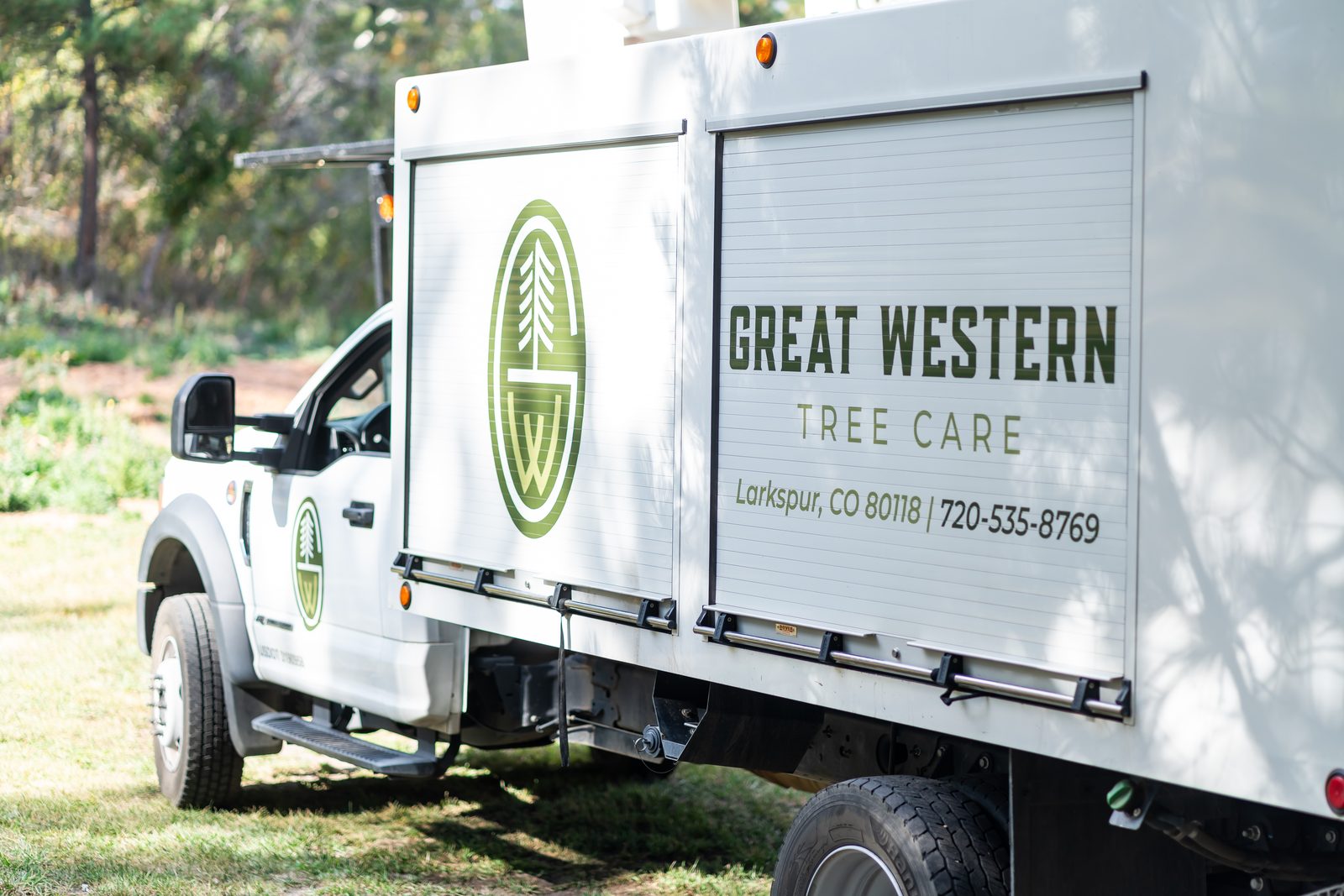
Great Western Tree Care branded service truck parked on a residential Colorado property
01On-Site Consultation
We visit your Lone Tree property, evaluate tree health and structural conditions, identify species-specific risks, discuss HOA requirements if applicable, and learn about your goals — whether that's hazard reduction, aesthetic pruning, or long-term canopy management.
02Assessment and Estimate
Based on the consultation, we prepare a detailed scope of work with itemized costs. For projects requiring HOA approval, we include supporting documentation, arborist recommendations, and replacement planting specifications that satisfy association landscape standards.
03Permits and Approvals
We prepare HOA submission packages when required, coordinate with architectural review committees, and obtain all approvals before scheduling work. For projects along public rights-of-way, we coordinate with city requirements.
04Tree Work Execution
Our crews arrive with properly sized equipment for your specific site conditions. We follow ANSI A300 pruning standards and ANSI Z133 safety protocols, and protect your landscape throughout the process.
05Site Cleanup and Follow-Up
We chip brush on-site, haul logs, rake and blow all work areas, and conduct a walkthrough with you to confirm satisfaction. We schedule follow-up visits based on species growth rates and seasonal timing.
Coverage

Lone Tree Neighborhoods We Serve

Our crews work throughout Lone Tree's residential and commercial communities.

  • Heritage Estates
  • Heritage Hills
  • Carriage Club
  • Acres Green
  • Lincoln Station
  • RidgeGate
  • Sweetwater
  • Park Meadows Area
  • Lone Tree Golf Club
  • Montecito
  • Heritage Place
  • Sky Ridge Area
  • Solstice
Questions

FAQs About Tree Service in Lone Tree

Does Lone Tree require permits for tree removal?

Douglas County does not require permits for tree removal on private residential property. However, most Lone Tree properties fall under HOA jurisdiction with their own approval requirements for tree removal and replacement. The City of Lone Tree may also have requirements for trees in public rights-of-way or within specific zoning overlays. We research applicable requirements and coordinate all necessary approvals before beginning work.

How serious is the emerald ash borer threat in Lone Tree?

EAB is a confirmed and active threat in Douglas County. Green ash trees planted during Lone Tree's development period are directly at risk. Preventive trunk injection treatments protect individual trees for up to two years per application. We assess each ash tree's condition, structural value, and location to determine whether treatment or planned removal and replacement is the better long-term investment.

What causes yellowing leaves on my maple trees?

Iron chlorosis — yellowing foliage with green veins — is extremely common in Lone Tree due to naturally alkaline clay soils that prevent trees from accessing iron. Maples, oaks, and pin oaks are particularly susceptible. Our iron chelate injection treatments correct deficiencies and restore healthy green foliage within one growing season. Untreated chlorosis progressively weakens trees and increases vulnerability to secondary pests and diseases.

Why are so many blue spruce trees struggling in Lone Tree?

Colorado blue spruce across the Front Range are experiencing widespread decline from cytospora canker, rhizosphaera needlecast, and ips beetle infestations. These diseases are particularly aggressive in the compacted, alkaline soils and stressful growing conditions found throughout Douglas County's planned communities. We assess each spruce individually to determine whether treatment can extend useful life or whether removal and replacement with a more climate-adapted species is the better long-term strategy.

What tree species do you recommend for replanting in Lone Tree?

For Lone Tree's high plains climate and alkaline clay soils, we recommend disease-resistant elms (Accolade, Triumph, Princeton), Kentucky coffeetree, Autumn Blaze maple, Ohio buckeye, and bur oak for shade trees. Ornamental options include Prairifire crabapple, serviceberry, Japanese tree lilac, and hawthorn varieties. We avoid blue spruce and Austrian pine given their widespread decline and recommend native ponderosa pine or limber pine for evergreen plantings.

How do you work with Lone Tree HOAs?

We have extensive experience with Douglas County HOA requirements and approval processes. We prepare complete submission packages including project descriptions, arborist assessments, replacement planting specifications, and insurance certificates. We communicate directly with architectural review committees and can attend hearings when necessary to support approval requests.

Nick Anderson, a Great Western Tree Care arborist, on a Colorado property
Nick Anderson, Sales Manager, Great Western Tree Care
Free Estimate

Need Tree Care in Lone Tree?

Great Western Tree Care provides free on-site evaluations for residential properties across Lone Tree. Our ISA-Certified Arborists assess your trees' health, structural condition, and specific care needs before recommending any services.

(720) 535-8769

Serving Colorado’s Front Range