Colorado Blue Spruce
Picea pungens
Colorado blue spruce is one of the most iconic evergreens in the state, prized for its bold blue needles and classic pyramidal form. It’s well adapted to cold winters, high elevation, and intense sun, making it a strong choice for Colorado landscapes when properly sited. With year-round color and structure, it works especially well as a specimen tree, windbreak, or focal point in larger spaces.
Quick specifications
- Mature Height
- 50–75 ft
- Mature Spread
- 20–30 ft
- Growth Rate
- Slow to moderate
- Sun
- Full sun required; avoid shaded or crowded locations
- Water
- Avoid overwatering and turf irrigation overlap
- Soil
- Requires excellent drainage—does not tolerate wet soils
- Hardiness
- 60–100+ years with proper site conditions
- Genus
- Spruce (Picea)
Identification
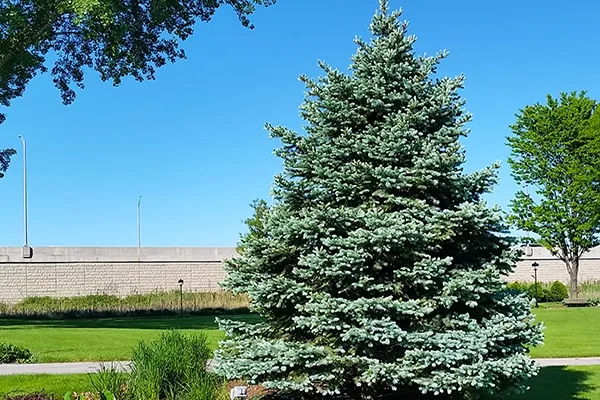
Species
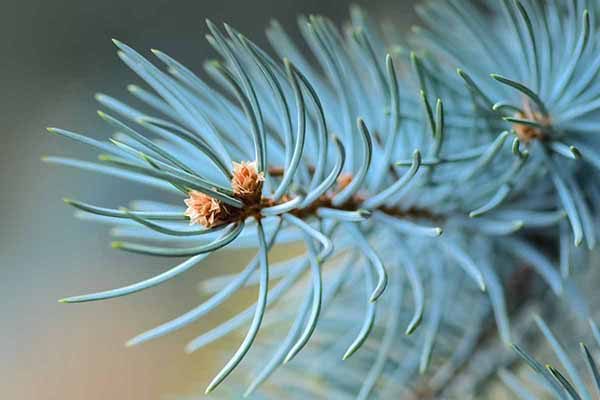
Needle detail
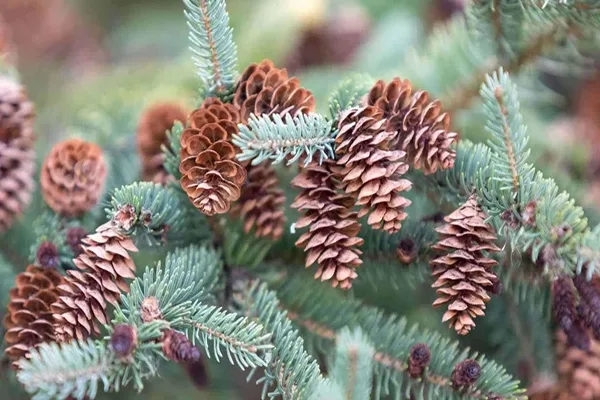
Cone
Overview
Colorado blue spruce is one of the most iconic evergreens in the state, prized for its bold blue needles and classic pyramidal form. It’s well adapted to cold winters, high elevation, and intense sun, making it a strong choice for Colorado landscapes when properly sited. With year-round color and structure, it works especially well as a specimen tree, windbreak, or focal point in larger spaces.
Key Characteristics
- Mature Size: 50–75 ft tall | 20–30 ft wide
- Growth Rate: Slow to moderate
- Form: Narrow pyramidal evergreen
- Needles: Stiff blue to blue-green needles
- Lifespan: 60–100+ years with proper site conditions
Colorado Growing Conditions
Native to Colorado and well adapted to cold temperatures
Iconic blue foliage provides strong year-round visual impact
Performs best in open, well-drained sites with good airflow
Effective as a specimen tree or windbreak when properly sited
Planting Considerations
- Full sun required; avoid shaded or crowded locations
- Requires excellent drainage—does not tolerate wet soils
- Avoid overwatering and turf irrigation overlap
- Best performance in lower-density plantings
Common Problems
- Rhizosphaera needle cast in humid or poorly ventilated sites
- Cytospora canker on stressed or mature trees
- Spider mites during hot, dry summers
- IPS Beetle
Best Use Scenarios
- Large residential properties and open landscapes
- Windbreaks with adequate spacing
- Foothills and cooler Front Range sites
- Specimen plantings with proper airflow
Related Services
Related Trees
Related Resources
When you want a professional opinion
The Root exists to help you understand your landscape. When a tree needs hands-on evaluation, a Great Western arborist can look at it in person.