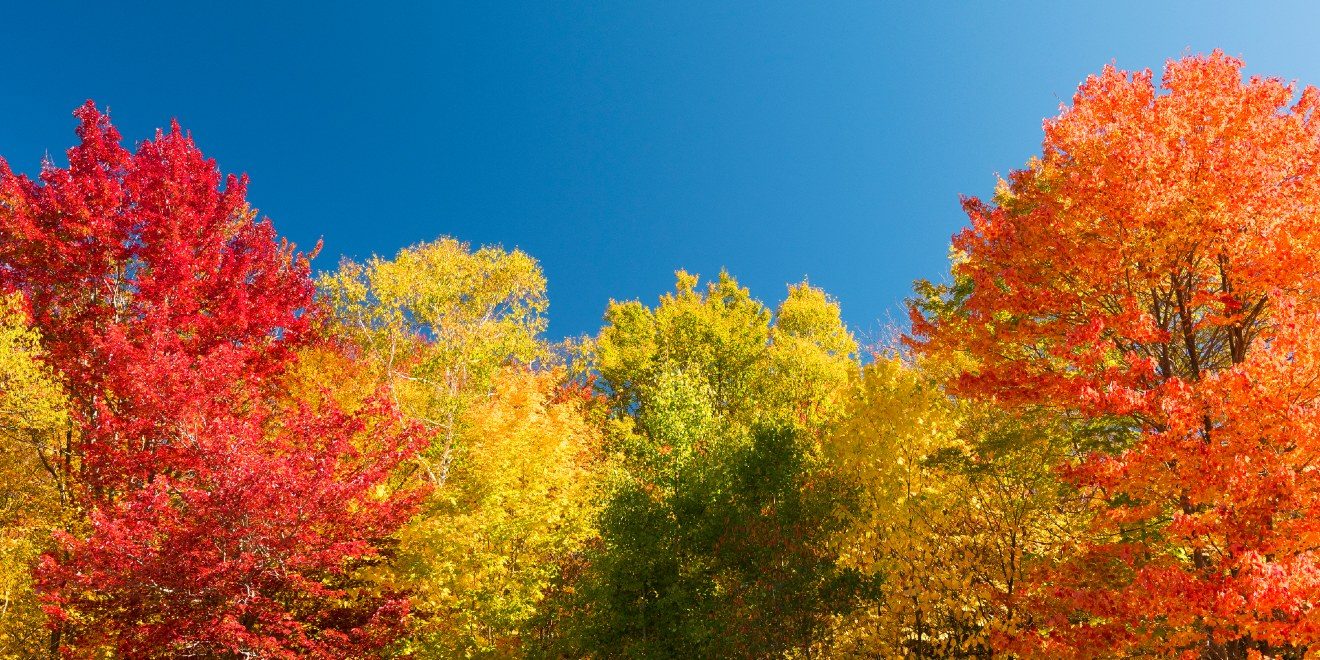
Great Western Tree Care arborist working among mature fall trees on a Colorado property
Tree Care In Englewood, Colorado

Tree Service in Englewood, CO

Professional tree service in Englewood, CO — expert trimming, removal, and reliable care for your trees, year-round, from ISA-Certified Arborists.

From mature elm and ash maintenance along South Broadway to ornamental tree pruning in the historic neighborhoods near Belleview Park, we deliver reliable care tailored to Englewood's established urban tree canopy.

Serving Colorado's Front Range · (720) 535-8769

Local Introduction

Englewood's Most Trusted Tree Care Specialists

Great Western Tree Care provides comprehensive tree services for homeowners and property managers throughout Englewood, CO. Englewood is a compact, established city of approximately 35,000 residents in Arapahoe County, bordered by Denver to the north, Littleton to the south, Sheridan to the west, and Cherry Hills Village to the east.

Many of Englewood's residential neighborhoods were developed between the 1940s and 1970s, creating a mature urban tree canopy that requires ongoing professional care. From mature elm and ash maintenance along South Broadway to ornamental tree pruning and trimming in the historic neighborhoods near Belleview Park, our ISA-Certified Arborists deliver reliable care tailored to Englewood's specific species mix, soil conditions, and lot configurations.

Every engagement starts with an on-site evaluation. Call (720) 535-8769 to schedule your free Englewood tree care estimate.

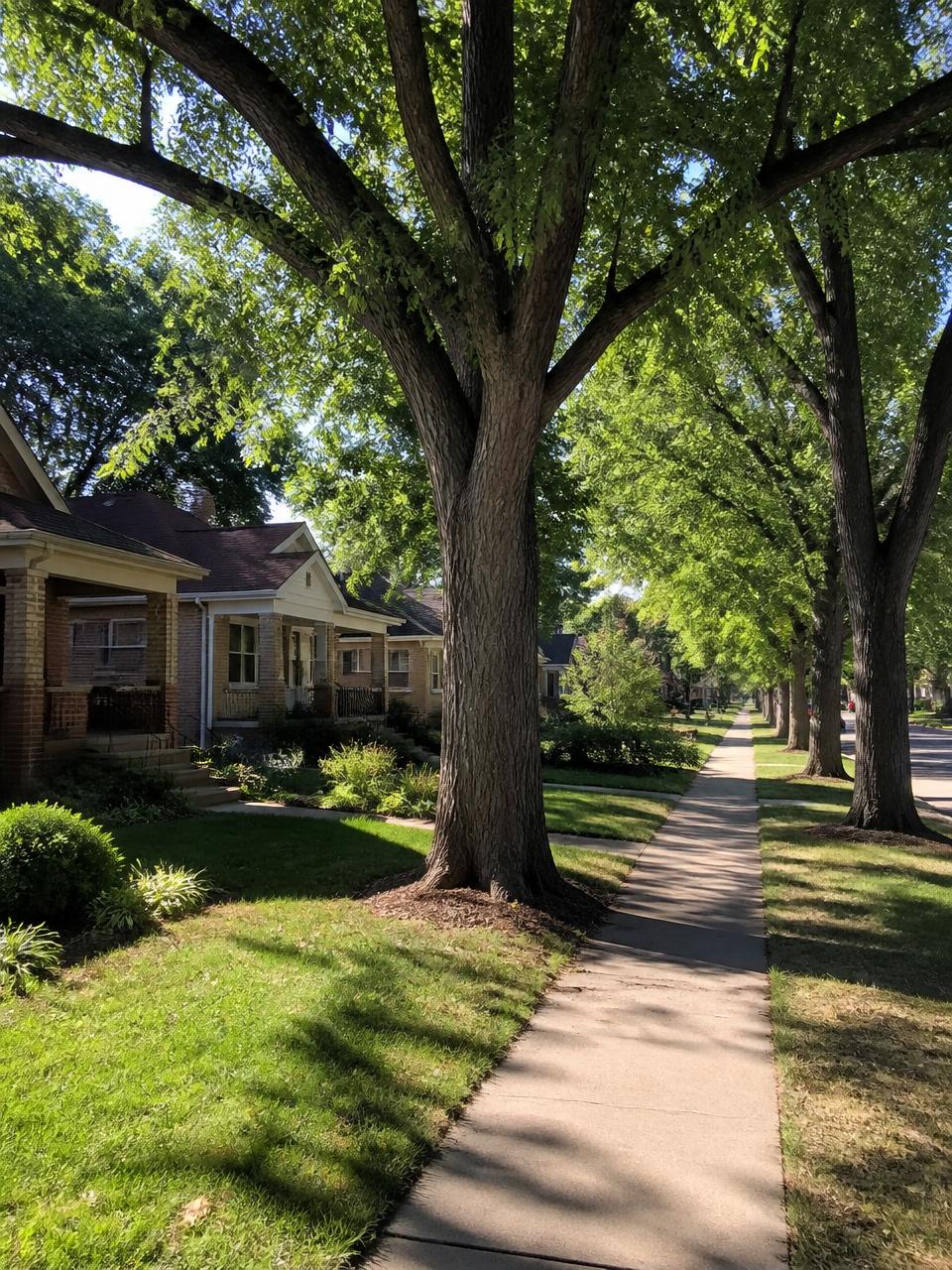
Mature elm and ash street trees over a sidewalk in an established Englewood, Colorado neighborhood
Tree Services

Tree Services in Englewood

Many of Englewood's residential neighborhoods were developed between the 1940s and 1970s, creating a mature urban tree canopy. Our ISA-Certified Arborists deliver specialized services designed for Englewood's specific species mix, soil conditions, and lot configurations.

01

Tree Pruning & Trimming

Englewood's residential streets feature mature green ash, American elm, honeylocust, and silver maple planted during the mid-century development boom. These trees require regular crown cleaning, structural pruning, and clearance cuts to maintain safe distances from rooflines, sidewalks, and overhead utility lines.

Our crews follow ANSI A300 pruning standards and adapt techniques to each species — structural thinning for dense elm canopies, deadwood removal on aging ash, and crown reduction on silver maples that have outgrown their planting sites.

Explore Service
02

Tree Removal

Declining ash trees threatened by emerald ash borer, storm-damaged silver maples, and dying spruce are the most common removal requests in Englewood. Tight lot spacing in neighborhoods along South Clarkson, South Grant, and West Hampden requires sectional dismantling with rigging systems rather than open felling.

Crane-assisted removal is available for large trees adjacent to structures, fences, and utility infrastructure. We coordinate with Xcel Energy for removals near overhead power lines.

Explore Service
03

Tree Planting

Replacing removed trees with well-adapted species maintains property values and neighborhood character. Our tree planting services include species selection based on available space, sun exposure, and soil composition.

For Englewood's smaller urban lots, we commonly recommend Accolade elm, Kentucky coffeetree, Autumn Blaze maple, and ornamental crabapple varieties that provide canopy without overwhelming the planting site.

Explore Service
04

Tree & Pest Disease Management

Emerald ash borer (EAB) represents the most urgent tree pest threat in Englewood, given the city's substantial ash population along streets and in residential yards. We provide preventive trunk injection treatments using emamectin benzoate that protect individual trees for up to two years per application.

Additional pest concerns include Japanese beetle damage on lindens, cytospora canker on blue spruce, and aphid infestations on honeylocust.

Explore Service
05

Tree Fertilization & Soil Health

Englewood's urban soils are often compacted from decades of foot traffic, construction, and limited organic matter input. Our deep root fertilization programs inject slow-release nutrients directly into the root zone at 8–12 inch depth, bypassing compacted surface layers.

We customize formulations based on soil test results — iron chlorosis is common in Englewood's alkaline clay soils, particularly affecting maples and oaks.

Explore Service
06

Essential Watering

Supplemental watering is essential for tree survival during Englewood's dry summers and winter drought periods. Our tree watering programs include deep root soaking during summer and critical winter watering between November and March when frozen ground prevents natural moisture absorption.

Newly planted trees require particular attention during their first two growing seasons.

Explore Service
07

Tree Risk Assessment

Englewood's aging urban canopy creates increasing risk of branch failure and whole-tree failure, particularly during summer thunderstorms and wet spring snow events. Our ISA-certified risk assessments evaluate structural integrity, root plate stability, target zones, and species-specific failure patterns.

We provide detailed written reports that satisfy insurance requirements and municipal compliance.

Explore Service
08

Tree Cabling & Bracing

Mature trees with codominant stems, included bark, and wide-spreading crowns are common throughout Englewood's older neighborhoods.

Our tree cabling and bracing installations use Cobra dynamic cabling systems and through-bolt bracing hardware to preserve structurally compromised but otherwise healthy trees that homeowners prefer to retain.

Explore Service
09

Lawn Care

Healthy turf supports healthy trees by maintaining consistent soil moisture and microbial activity. Our lawn care services include aeration to combat Englewood's compacted clay soils, overseeding with drought-tolerant fescue blends, fertilization programs, and targeted grub and fungus treatments.

Explore Service
Local Context

The Englewood Tree Care Landscape

Englewood occupies approximately 6.5 square miles in central Arapahoe County, making it one of the Denver metro's most compact communities. The city was established in the late 1800s as a residential suburb along the Denver and Rio Grande Western Railroad, and much of its housing stock dates from the post-WWII expansion of the 1940s through 1970s.

A Mature Urban Canopy

The city's tree canopy reflects this development history. Mature green ash, American elm, silver maple, and cottonwood line residential streets, while property lots contain Colorado blue spruce, Austrian pine, catalpa, and various ornamental species.

River Corridor & Parks

The South Platte River corridor along Englewood's western boundary provides a riparian zone with native cottonwood, willow, and box elder. Parks including Belleview Park, Cushing Park, Jason Park, and Romans Park contribute significant green space and tree canopy to the city's urban forest.

Compact Lots, Tight Access

The CityCenter Englewood development (formerly Cinderella City) and the Swedish Medical Center campus anchor the commercial core along South Broadway, while residential neighborhoods extend east toward Cherry Hills Village and south toward Littleton.

Lot sizes in Englewood's residential areas typically range from 5,000 to 8,000 square feet, creating tight working conditions for tree care crews.

Species

Trees Commonly Encountered in Englewood Landscapes

Trees commonly encountered on Englewood properties include the following. Each species presents distinct management requirements that our ISA-Certified Arborists address through tailored care programs.

  • Green Ash

    Substantial street and yard population directly threatened by emerald ash borer.

  • American Elm

    Mature legacy species lining many residential streets.

  • Silver Maple

    Outgrows tight urban planting sites; needs crown reduction.

  • Honeylocust

    Common yard tree; monitored for aphid infestations.

  • Colorado Blue Spruce

    Affected by cytospora canker and tip blight across older plantings.

  • Austrian Pine

    Evergreen screening species prone to needlecast disease.

  • Cottonwood

    Riparian legacy species along the South Platte River corridor.

  • Willow & Box Elder

    Native riparian species found along the South Platte corridor.

  • Catalpa

    Ornamental shade tree found on older residential lots.

  • Crabapple

    Ornamental flowering species; monitored for fire blight.

  • Accolade Elm

    Disease-resistant recommended replacement for Englewood's small urban lots.

  • Kentucky Coffeetree

    Recommended replacement species that fits compact planting sites.

  • Autumn Blaze & Tatarian Maple

    Recommended replacement trees tolerant of alkaline soil.

Species identification and condition are confirmed on site — we don't diagnose Englewood trees from a list.

Local Conditions

Common Tree Care Challenges in Englewood

Our experience working in Englewood has familiarized us with the challenges specific to this community.

  1. 01

    Emerald Ash Borer Pressure

    Englewood's green ash population, which comprises a significant portion of both street trees and residential plantings, faces direct threat from EAB. The city's proximity to confirmed EAB sites in the Denver metro makes proactive treatment or planned removal essential for every ash tree owner.

  2. 02

    Compacted Urban Soils

    Decades of development, foot traffic, and limited soil restoration have left Englewood's residential soils heavily compacted. Compaction restricts root growth, reduces water infiltration, and limits oxygen exchange.

    Our vertical mulching and radial trenching services restore soil structure in the critical root zone.

  3. 03

    Tight Lot Access

    Englewood's compact residential lots, narrow side yards, and overhead utility lines require specialized equipment and techniques for safe tree work. Our crews routinely perform sectional dismantling in spaces where bucket trucks cannot access, using climbing techniques and portable rigging systems.

  4. 04

    Aging Infrastructure Conflicts

    Mature tree root systems in Englewood frequently interact with aging sewer lines, water mains, and foundation structures. We assess root-infrastructure conflicts and recommend appropriate management strategies, including root pruning barriers and species replacement where root damage is ongoing.

  5. 05

    Spruce and Pine Decline

    Colorado blue spruce and Austrian pine planted during the 1960s and 1970s are increasingly affected by needlecast diseases, cytospora canker, and tip blight. These trees often require either aggressive treatment programs or removal and replacement with better-adapted species.

  6. 06

    Storm Damage Vulnerability

    Englewood's mature, top-heavy shade trees are vulnerable to the Denver metro's frequent summer thunderstorms with straight-line winds and heavy hail. Annual structural pruning reduces wind sail and removes deadwood that becomes projectile in severe weather.

Plant Health

Pest & Disease Pressures in Englewood

Englewood trees deal with tight spaces, clay soil, heat, and sudden weather swings. Add in common pests, and stress builds quickly — making proactive care essential to keep them healthy and stable.

Emerald Ash Borer

Confirmed and active in the Denver metro area, EAB directly threatens Englewood's significant green ash population. Preventive trunk injection treatments protect individual trees for up to two years per application.

Japanese Beetle

Damages lindens throughout Englewood's older neighborhoods, skeletonizing foliage during summer feeding periods.

Cytospora Canker & Tip Blight

Affects Colorado blue spruce and Austrian pine planted during the 1960s and 1970s, driving lower-branch dieback and thinning canopies.

Aphids

Common on honeylocust canopies, producing sticky honeydew and sooty mold on foliage and surfaces below.

Fire Blight

Affects crabapple and other ornamental species, with infection driven by warm, wet spring conditions during bloom.

Iron Chlorosis

Englewood's alkaline clay soils lock out iron, producing yellowing between leaf veins on maples and oaks. Chelated iron and soil correction address the underlying cause.

Regulatory

Permits and Regulations in Englewood

Public Trees & Rights-of-Way

The City of Englewood Municipal Code (Chapter 11-4) addresses trees on public property and rights-of-way. Removal of street trees or trees within public easements requires approval from the city's Parks and Recreation Department. Trees on private residential property generally do not require a city permit for removal.

HOA & Riparian Considerations

Properties within planned unit developments or HOA-governed communities may have additional tree-related covenants that require approval before work begins. The South Platte River corridor may have additional vegetation protections under state and county riparian management regulations.

Our team manages all required documentation, coordinates with the city when street trees are involved, and assists homeowners with HOA approval processes.

Requirements may vary by property and community. Homeowners should confirm current municipal or HOA rules where applicable — this information is provided as general guidance, not legal advice.

Our Approach

Diagnose First. Recommend Second.

ISA-Certified Arborists on Staff
3ISA-Certified Arborists on Staff
CDA Plant Health Care Qualified Supervisors
3CDA Plant Health Care Qualified Supervisors
TRAQ-Certified Professionals
2TRAQ-Certified Professionals
Certified Treecare Safety Professional
1Certified Treecare Safety Professional
Family-Owned, Headquartered in Larkspur, Colorado
2018Family-Owned, Headquartered in Larkspur, Colorado

Before we recommend anything on an Englewood property, we evaluate species, tree age, structure, soil, water availability, pest and disease pressure, site conditions, surrounding structures, and the long-term value of the tree. The recommendation follows the diagnosis — never the other way around.

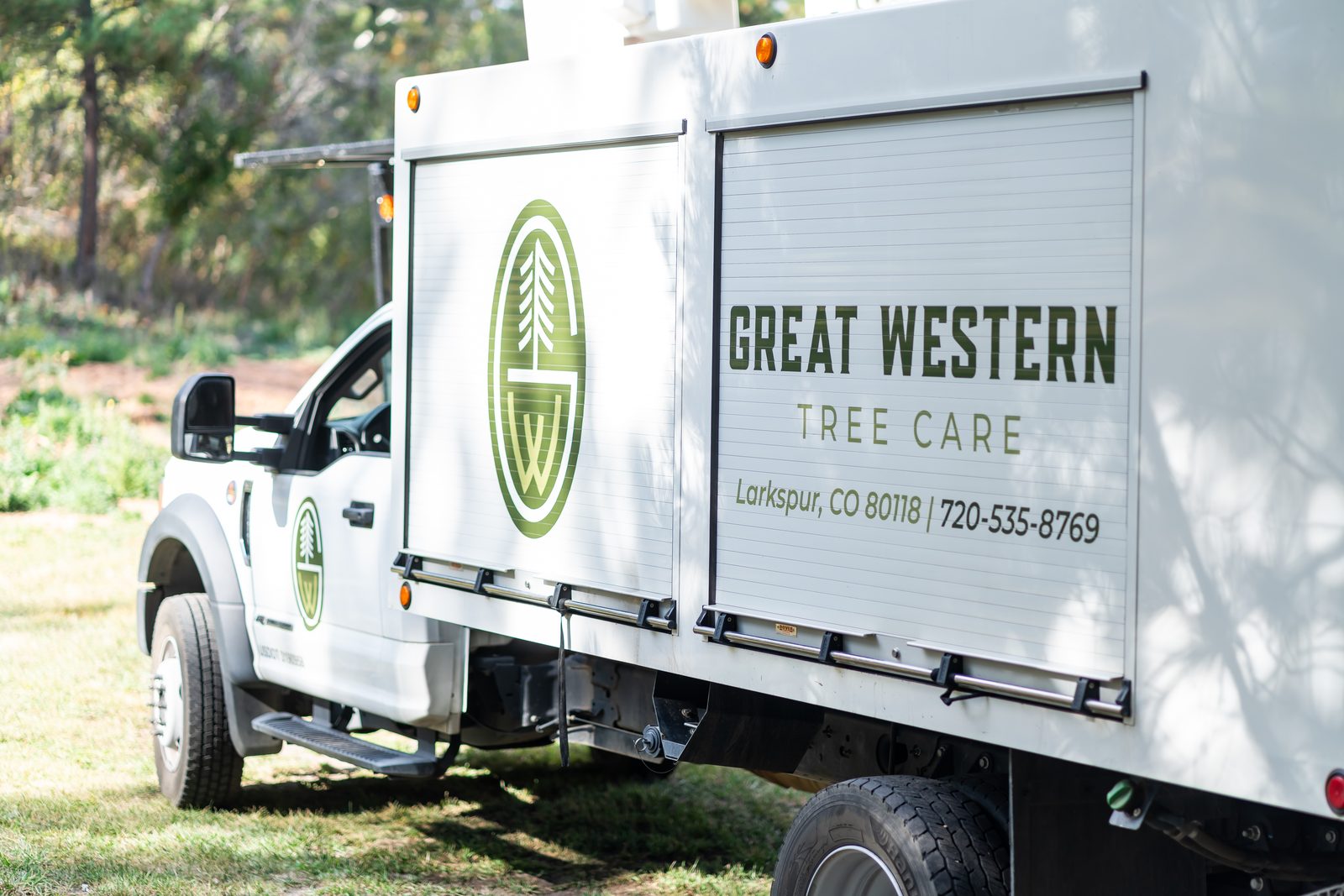
Great Western Tree Care branded service truck parked on a residential Colorado property
01On-Site Consultation
We visit your Englewood property, evaluate tree health and structural conditions, identify species-specific risks, and discuss your goals — whether that's hazard reduction, aesthetic pruning, or long-term canopy management.
02Assessment and Estimate
Based on the consultation, we prepare a detailed scope of work with itemized costs. For complex projects involving multiple trees or HOA approval requirements, we include supporting documentation and arborist recommendations.
03Permits and Approvals
We coordinate with the City of Englewood Parks Department when street trees are involved, prepare HOA submissions when required, and obtain all approvals before scheduling work.
04Tree Work Execution
Our crews arrive with properly sized equipment for your specific site conditions. We follow ANSI A300 pruning standards, use ANSI Z133 safety protocols, and protect your landscape throughout the process — including turf protection mats, debris containment, and careful equipment staging.
05Site Cleanup and Follow-Up
We chip brush on-site, haul logs, rake and blow all work areas, and conduct a walkthrough with you to confirm satisfaction. For ongoing maintenance plans, we schedule follow-up visits based on species growth rates and seasonal timing.
Coverage

Englewood Neighborhoods We Serve

Our crews work throughout Englewood's residential communities.

  • Bates/Logan
  • Cherrelyn
  • Fort Logan
  • Tufts/Clarkson
  • Belleview Acres
  • Wolff Run
  • Baker
  • West Englewood
  • South Broadway Corridor
  • CityCenter
  • Hampden Heights
  • Cushing Park Area
  • Englewood Gardens
Questions

FAQs About Tree Service in Englewood

Does Englewood require permits for tree removal?

The City of Englewood requires approval from the Parks and Recreation Department for removal of trees on public property and within rights-of-way. Trees on private residential lots generally do not require a city permit. However, HOA-governed communities may have their own approval requirements. We manage all necessary documentation and coordination on your behalf.

How serious is the emerald ash borer threat in Englewood?

EAB is a confirmed and active threat in the Denver metro area. Englewood's significant green ash population, both as street trees and on private property, is directly at risk. Preventive trunk injection treatments protect individual trees for up to two years. We assess each ash tree to determine whether treatment or planned removal and replacement is the better investment.

What tree species do you recommend for replanting in Englewood?

For Englewood's smaller urban lots and clay soils, we recommend Accolade elm, Kentucky coffeetree, Autumn Blaze maple, and Tatarian maple. Ornamental options include serviceberry, hawthorn, and crabapple. We select species that tolerate alkaline soil, handle the urban heat island, and fit the available canopy space without overwhelming the site.

How do you handle tree removals on small Englewood lots?

Tight lot spacing is standard in Englewood. Our crews use sectional dismantling with roping and rigging systems to lower branches and trunk sections in controlled pieces. This prevents damage to fences, structures, and neighboring vegetation. Crane-assisted removal is available for situations where climbing access is not feasible.

How often should mature shade trees in Englewood be pruned?

Mature shade trees benefit from professional pruning every 3–5 years under normal conditions. Trees with known structural defects, rapid growth patterns, or proximity to structures and utility lines may require more frequent attention. We develop customized maintenance schedules based on species, age, condition, and site factors.

Can you help with storm damage cleanup in Englewood?

Yes. Our crews respond promptly to storm damage calls throughout Englewood. We prioritize hazard mitigation — clearing trees from structures, vehicles, and roadways — and schedule follow-up restoration work within days. Call (720) 535-8769 for emergency response.

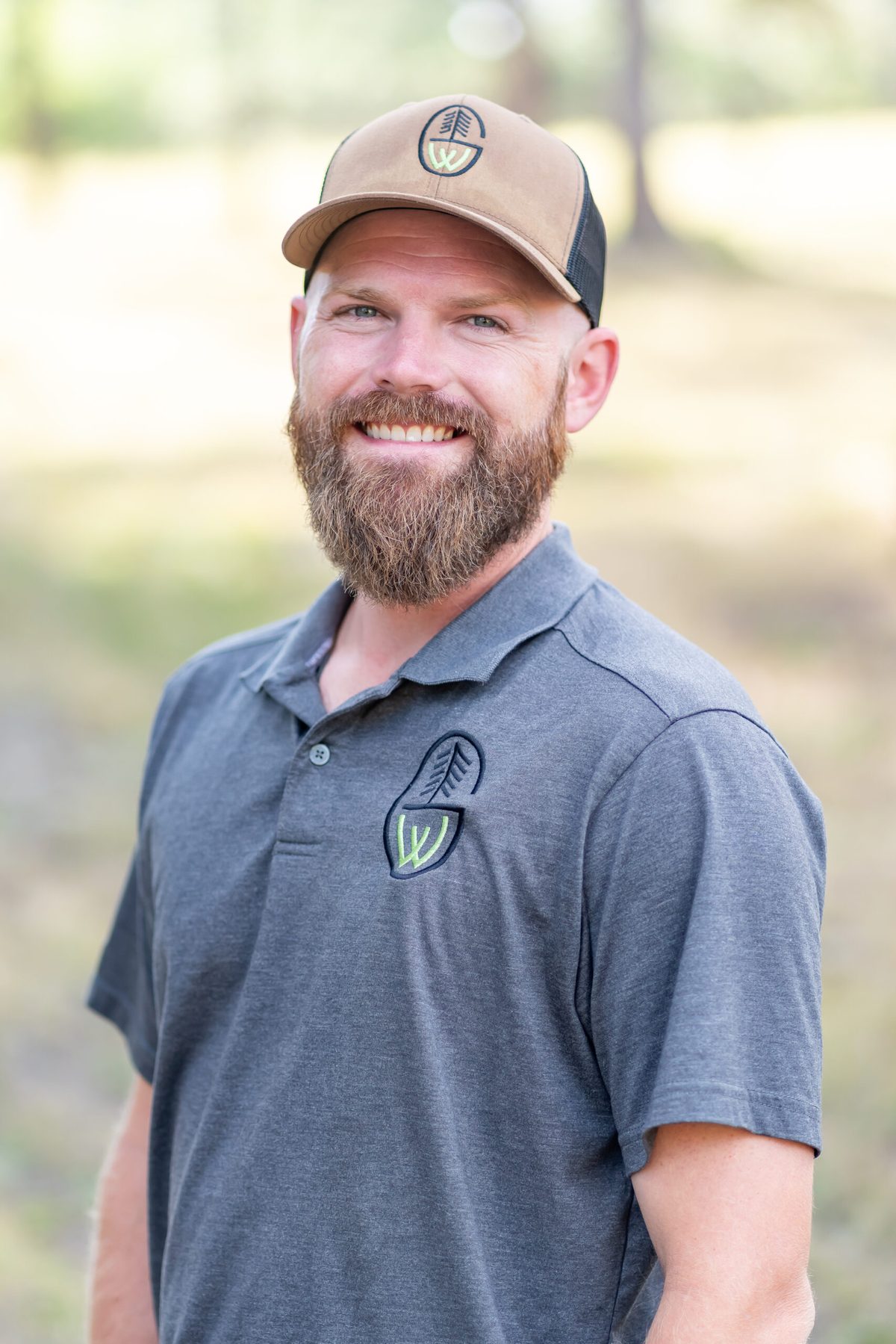
Nick Anderson, a Great Western Tree Care arborist, on a Colorado property
Nick Anderson, Sales Manager, Great Western Tree Care
Free Estimate

Need Tree Care in Englewood?

Great Western Tree Care provides free on-site evaluations for residential properties across Englewood. Our ISA-Certified Arborists assess your trees' health, structural condition, and specific care needs before recommending any services.

(720) 535-8769

Serving Colorado’s Front Range