Great Western Tree Care arborist working on a mature shade tree at a Colorado residential property
Tree Care In Highlands Ranch, Colorado

Tree Service in Highlands Ranch, CO

Tree care for Highlands Ranch's maturing landscape — from original 1980s plantings to today's established neighborhood canopy.

Thousands of trees were planted as Highlands Ranch developed. Decades later, many of those blue spruce, Austrian pine, ash, honeylocust and ornamental trees are reaching the point where structural pruning, plant health care and replacement planning matter more than establishment.

Serving Colorado's Front Range · (720) 535-8769

Local Introduction

Highlands Ranch's Premier Tree Care Specialists

Great Western Tree Care provides comprehensive tree services for homeowners and property managers throughout Highlands Ranch, Colorado. As one of Colorado's largest master-planned communities, with approximately 100,000 residents spread across neighborhoods developed primarily between the 1980s and 2010s, Highlands Ranch features an intentionally designed tree canopy mixing native species with introduced ornamentals selected for the high plains environment.

From mature cottonwood and ash maintenance along Wildcat Reserve Parkway to ornamental tree pruning and trimming in the master-planned neighborhoods near Redstone Park, our ISA-Certified Arborists deliver reliable care tailored to Highlands Ranch's suburban landscape and diverse tree canopy — whether that means tree removal for a declining blue spruce, a tree risk assessment on a mature Austrian pine, or tree fertilization to combat chlorosis in your maples.

Every engagement starts with an on-site evaluation. Call (720) 535-8769 for your free Highlands Ranch tree care estimate.

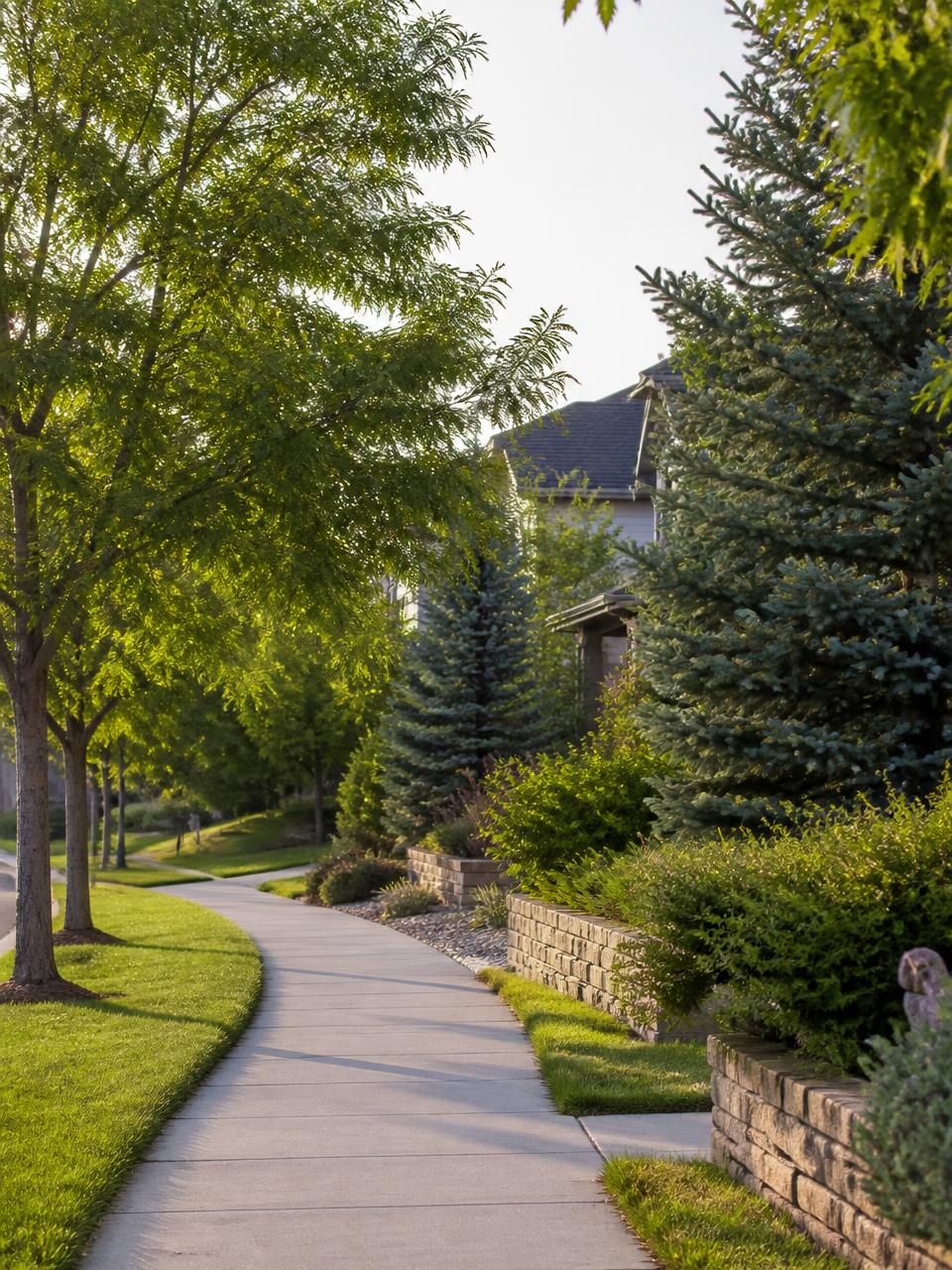
Established landscaping and mature spruce along a residential walkway in Highlands Ranch, Colorado
Tree Services

Tree Services in Highlands Ranch

Highlands Ranch is located in Douglas County and features an intentionally designed tree canopy mixing native species with introduced ornamentals selected for the high plains environment. Our ISA-Certified Arborists deliver specialized services designed for Highlands Ranch's specific species mix, soil conditions, HOA requirements, and landscape architecture.

01

Tree Pruning & Trimming

Highlands Ranch's residential landscapes feature extensive plantings of blue spruce, Austrian pine, honeylocust, Autumn Blaze maple, and various ornamental crabapples installed by developers during neighborhood construction. These trees require regular crown cleaning, structural pruning, and clearance cuts to maintain safe distances from rooflines, sidewalks, and overhead utility lines.

Our crews follow ANSI A300 pruning standards and adapt techniques to each species — structural thinning for dense spruce canopies, deadwood removal on aging Austrian pine, and crown reduction on maples that have outgrown their original planting sites. HOA compliance is critical here, and we coordinate with association management before beginning work on common areas or highly visible property frontages.

Explore Service
02

Tree Removal

Storm-damaged blue spruce, declining Austrian pine affected by tip blight and needlecast, and cottonwoods with structural defects are the most common removal requests in Highlands Ranch. Modern suburban lot spacing allows for more open tree work than older urban neighborhoods, but proximity to homes, fences, decks, and underground irrigation systems still requires sectional dismantling with rigging systems for most removals.

Crane-assisted removal is available for large trees adjacent to structures or in backyards with limited access. We coordinate with Xcel Energy for removals near overhead power lines and with HOAs for trees on common property or within landscape buffers.

Explore Service
03

Tree Planting

Replacing removed trees with well-adapted species maintains property values and neighborhood character while improving long-term canopy sustainability. Our tree planting services include species selection based on available space, sun exposure, soil composition, and HOA architectural guidelines.

For Highlands Ranch's suburban lots, we commonly recommend disease-resistant elm varieties (Accolade, Triumph), Kentucky coffeetree, Autumn Blaze maple, Ohio buckeye, and ornamental options like Prairifire crabapple and serviceberry that provide four-season interest without overwhelming the planting site.

Explore Service
04

Tree & Pest Disease Management

Emerald ash borer (EAB) represents the most urgent tree pest threat in Highlands Ranch, given Douglas County's confirmed EAB detections and the presence of green ash in both common areas and residential yards. We provide preventive trunk injection treatments using emamectin benzoate that protect individual trees for up to two years per application.

Additional pest concerns include ips beetle infestations on stressed spruce and pine, cytospora canker and needlecast on blue spruce, aphid infestations on honeylocust, and spider mite damage during hot, dry summers.

Explore Service
05

Tree Fertilization & Soil Health

Highlands Ranch sits on the high plains at elevations between 5,600 and 6,000 feet, with clay loam soils that are naturally alkaline and compacted from construction activity during development. Our deep root fertilization programs inject slow-release nutrients directly into the root zone at 8–12 inch depth, bypassing compacted surface layers.

We customize formulations based on soil test results — iron chlorosis is extremely common in Highlands Ranch's alkaline soils, particularly affecting maples, oaks, and pin oaks. Our iron chelate treatments correct chlorosis and restore healthy green foliage.

Explore Service
06

Essential Watering

Supplemental watering is essential for tree survival in Highlands Ranch's semi-arid climate, particularly during summer drought periods and critical winter months when frozen ground prevents natural moisture absorption.

Our programs include deep root soaking during summer and critical winter watering between November and March. Newly planted trees require particular attention during their first two to three growing seasons as root systems establish, and we coordinate with existing irrigation systems to adjust watering schedules based on seasonal precipitation.

Explore Service
07

Tree Risk Assessment

Highlands Ranch experiences frequent summer thunderstorms with straight-line winds, hail, and occasional tornadoes, plus heavy wet spring snow that loads canopies beyond their structural capacity.

Our ISA-certified risk assessments evaluate structural integrity, root plate stability, target zones (homes, decks, play structures), and species-specific failure patterns. We provide detailed written reports that satisfy insurance requirements, HOA documentation standards, and real estate transaction needs.

Explore Service
08

Tree Cabling & Bracing

Mature trees with codominant stems, included bark, weak branch unions, and wide-spreading crowns benefit from supplemental support systems.

Our installations use Cobra dynamic cabling systems and through-bolt bracing hardware to preserve structurally compromised but otherwise healthy trees that homeowners prefer to retain — particularly valuable for landmark trees in Highlands Ranch's older neighborhoods where original plantings have become defining landscape features.

Explore Service
09

Lawn Care

Healthy turf supports healthy trees by maintaining consistent soil moisture, microbial activity, and nutrient cycling.

Our lawn care services include aeration to combat Highlands Ranch's compacted clay loam soils, overseeding with drought-tolerant fescue and bluegrass blends adapted to Colorado's high plains climate, fertilization programs timed to regional growing patterns, and targeted grub and fungus treatments.

Explore Service
Local Context

The Highlands Ranch Tree Care Landscape

Highlands Ranch occupies approximately 24,000 acres in northern Douglas County, making it one of the largest master-planned communities in the United States. The community was developed by the Mission Viejo Company beginning in 1981 on land that was previously a working cattle ranch dating to 1859.

Planned Development, Planned Canopy

Modern development preserved some of the original ranchland character through extensive open space networks, trail systems, and intentional landscape architecture that mixes native high plains vegetation with introduced ornamental species.

Cottonwoods and ponderosa pine occupy riparian corridors and preserved natural areas along drainages and open space buffers. Blue spruce, Austrian pine, and various juniper species were extensively planted during the 1980s and 1990s as foundational evergreen elements. Deciduous shade trees including green ash, honeylocust, Autumn Blaze maple, and various ornamental species provide seasonal color and canopy diversity in residential neighborhoods.

Dozens of HOAs

Highlands Ranch contains numerous neighborhood and sub-association structures in addition to broader community landscape standards, so tree work may sometimes require review of property-specific HOA requirements. These associations maintain landscape standards, architectural guidelines, and tree-related covenants that affect what homeowners can plant, prune, or remove.

The Highlands Ranch Community Association oversees common areas, trail systems, and major landscape features connecting individual neighborhood associations.

Public & Commercial Landscapes

Recreation centers, parks, golf courses, and the extensive trail network connecting neighborhoods create substantial public landscape areas requiring professional tree management. Commercial corridors along Broadway and County Line Road, plus the Highlands Ranch Town Center, add to the community's diverse urban forest requiring coordinated care.

Species

Trees Commonly Encountered in Highlands Ranch Landscapes

Trees commonly encountered on Highlands Ranch properties include the following. Each species presents distinct management requirements that our ISA-Certified Arborists address through tailored care programs.

  • Colorado Blue Spruce

    Extensively planted in the 1980s–90s; now facing needlecast, cytospora canker, and ips pressure as it matures.

  • Austrian Pine

    Foundational evergreen screening; increasingly affected by tip blight and pine wilt.

  • Green Ash

    Planted extensively during initial development; directly threatened by emerald ash borer.

  • Honeylocust

    Common shade tree prone to codominant stems and aphid pressure.

  • Autumn Blaze Maple

    Popular shade tree, frequently chlorotic in alkaline clay loam soils.

  • Pin Oak

    Ornamental shade species highly susceptible to iron chlorosis.

  • Bur Oak

    A recommended, better-adapted shade tree for replanting in alkaline soils.

  • Kentucky Coffeetree

    Recommended replacement species; tolerant of Highlands Ranch's alkaline clay loam.

  • Accolade / Triumph / Princeton Elm

    Disease-resistant elm cultivars commonly recommended for replanting.

  • Cottonwood

    Occupies riparian corridors and drainages; requires deadwood and hazard limb management.

  • Ponderosa Pine

    Native conifer found in preserved open space and recommended over declining Austrian pine.

  • Ornamental Crabapple

    Includes Prairifire; developer-installed ornamental vulnerable to fire blight.

Species identification and condition are confirmed on site — we don't diagnose Highlands Ranch trees from a list.

Local Conditions

Common Tree Care Challenges in Highlands Ranch

Our experience working in Highlands Ranch has familiarized us with the challenges specific to this master-planned community.

  1. 01

    Emerald Ash Borer Pressure

    Douglas County confirmed EAB presence in 2013, and the pest has since spread throughout the county. Highlands Ranch's green ash population, planted extensively during initial development, faces direct threat.

    Proactive treatment or planned removal and replacement is essential for every ash tree owner. HOA common areas with ash street trees require coordinated management programs to prevent wholesale canopy loss.

  2. 02

    Blue Spruce and Austrian Pine Decline

    Trees planted during the 1980s and 1990s development boom are now reaching maturity and experiencing significant stress. Blue spruce faces needlecast diseases (Rhizosphaera and Stigmina), cytospora canker, and ips beetle attacks during drought periods.

    Austrian pine suffers from tip blight (Diplodia), pine wilt nematode, and similar ips beetle pressure. Many of these foundational landscape trees now require aggressive treatment programs or removal and replacement with better-adapted species.

  3. 03

    Clay Loam Soil Compaction

    Construction activity during neighborhood development, plus decades of foot traffic and lawn maintenance equipment, has left Highlands Ranch's clay loam soils heavily compacted, restricting root growth, reducing water infiltration, and limiting oxygen exchange in the root zone.

    Our vertical mulching and radial trenching services restore soil structure without disrupting established landscapes.

  4. 04

    Iron Chlorosis

    Highlands Ranch's naturally alkaline soils (pH 7.5–8.5) prevent trees from accessing iron, resulting in yellowing foliage on iron-sensitive species including maples, oaks, pin oaks, and some ash varieties.

    Left untreated, chlorosis progressively weakens trees and increases vulnerability to pest and disease pressure. Our iron chelate injection treatments correct deficiencies and restore healthy foliage color.

  5. 05

    HOA Approval Requirements

    Most Highlands Ranch properties fall under HOA jurisdiction with architectural review processes for tree work. Associations often require advance approval for tree removal, specifications for replacement plantings, and adherence to landscape standards.

    We assist homeowners with HOA submission packages and coordinate with association management to ensure compliance.

  6. 06

    Irrigation System Integration

    Highlands Ranch properties typically feature underground sprinkler systems installed during construction. Tree work requires careful coordination with irrigation infrastructure to prevent damage to sprinkler lines, valves, and control systems.

    We locate irrigation components before beginning excavation for removals or planting, and repair any damaged components as part of project completion.

Plant Health

Pest & Disease Pressures in Highlands Ranch

Highlands Ranch trees face dry conditions, fast-draining soils, and heavy sun exposure, which can stress even healthy landscapes. Add in rapid growth cycles and common Front Range pests, and trees here need consistent watering, proper pruning, and ongoing care to stay strong.

Emerald Ash Borer

Confirmed in Douglas County since 2013 and now widespread — the single largest threat to Highlands Ranch's ash population. Preventive trunk injection protects healthy trees for up to two years per application.

Needlecast & Tip Blight on Conifers

Blue spruce planted in the 1980s–90s development boom now faces needlecast diseases (Rhizosphaera and Stigmina) and cytospora canker, while Austrian pine suffers from tip blight (Diplodia) and pine wilt nematode.

Ips Beetle

Attacks drought-stressed spruce and pine. Applications are timed to beetle flight periods, and moisture management is part of the treatment plan, not an afterthought.

Chlorosis

Highlands Ranch's alkaline soils (pH 7.5–8.5) lock out iron, producing yellowing between leaf veins on maples, oaks, and pin oaks. Chelated iron and soil correction address the cause rather than masking symptoms.

Full diagnostic and treatment detail lives on our Tree & Pest Disease Management page — this section covers how those pressures show up specifically on Highlands Ranch properties.

Regulatory

Permits, HOAs & Local Requirements

Highlands Ranch is located in unincorporated Douglas County, meaning the Douglas County Planning Division and Douglas County Community Development handle land use regulations.

County Permits

Tree removal on private residential property generally does not require a county permit unless the tree is located within a protected riparian buffer or designated open space easement.

HOA Covenants

Most Highlands Ranch properties are governed by HOA covenants that establish tree-related requirements more restrictive than county regulations. Individual neighborhood associations maintain their own approval processes for tree removal, pruning of street trees or common area trees, and specifications for replacement plantings.

The Highlands Ranch Community Association also maintains standards for work affecting common areas, trails, and shared landscape features.

Riparian & Open Space Protections

Properties within designated open space areas or along South Platte River tributaries may have additional vegetation protections under state and county riparian management regulations.

How We Help

Our team manages all required documentation, coordinates with HOA architectural review committees, and assists homeowners with approval processes to ensure projects proceed without delays or compliance issues.

Requirements may vary by property, HOA, and neighborhood association. Homeowners should confirm current Douglas County or HOA rules where applicable — this information is provided as general guidance, not legal advice.

Our Approach

Diagnose First. Recommend Second.

ISA-Certified Arborists on Staff
3ISA-Certified Arborists on Staff
CDA Plant Health Care Qualified Supervisors
3CDA Plant Health Care Qualified Supervisors
TRAQ-Certified Professionals
2TRAQ-Certified Professionals
Certified Treecare Safety Professional
1Certified Treecare Safety Professional
Family-Owned, Headquartered in Larkspur, Colorado
2018Family-Owned, Headquartered in Larkspur, Colorado

Before we recommend anything on a Highlands Ranch property, we evaluate species, tree age, structure, soil, water availability, pest and disease pressure, site conditions, surrounding structures, and the long-term value of the tree. The recommendation follows the diagnosis — never the other way around.

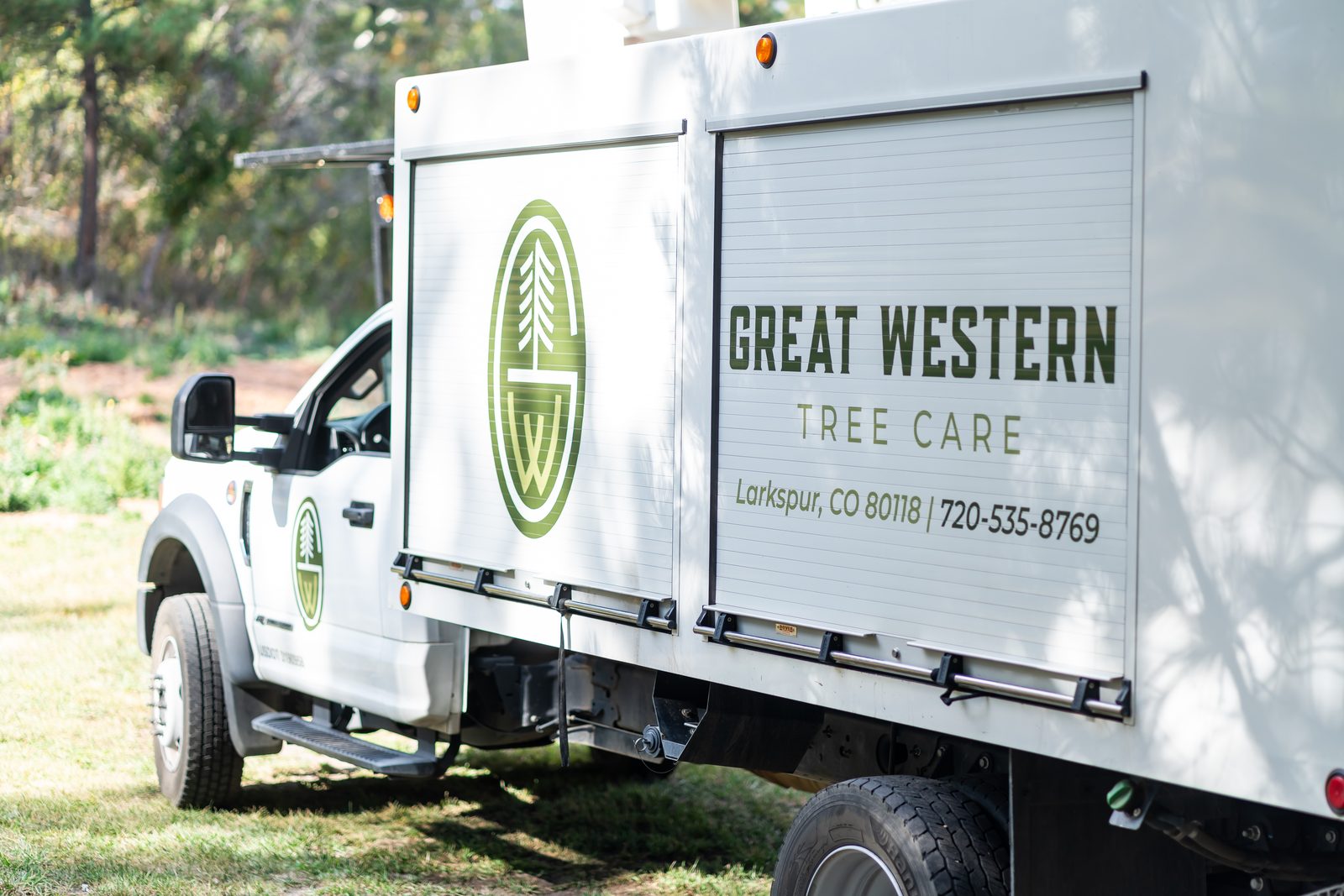
Great Western Tree Care branded service truck parked on a residential Colorado property
01On-Site Consultation
We visit your Highlands Ranch property, evaluate tree health and structural conditions, identify species-specific risks, discuss HOA requirements if applicable, and learn about your goals.
02Assessment & Estimate
We prepare a detailed scope of work with itemized costs. For projects requiring HOA approval, we include supporting documentation and replacement planting specifications.
03Permits & Approvals
We prepare HOA submission packages when required, coordinate with architectural review committees, and verify county compliance for riparian areas or open space easements.
04Tree Work Execution
Our crews follow ANSI A300 pruning standards and ANSI Z133 safety protocols, using turf protection mats, irrigation location and protection, and careful equipment staging.
05Site Cleanup & Follow-Up
We chip brush on-site, haul logs, rake and blow all work areas, and conduct a walkthrough to confirm satisfaction, scheduling follow-up visits as needed.
Coverage

Highlands Ranch Neighborhoods We Serve

Our crews work throughout Highlands Ranch's extensive network of communities and neighborhoods.

  • Backcountry
  • Beacon Point
  • Candlewood Ridge
  • Carriagewood
  • Chadwick
  • Eastridge
  • Fox Hill
  • Highlands Park
  • Highlands Ranch Golf Club
  • Northridge
  • Oakwood
  • Redstone
  • Rustic Hills
  • Shea
  • Southridge
  • Sterling Ranch
  • Terravita
  • Town Center
  • Westridge
  • Wildcat Mountain
  • Wildcat Reserve
Questions

FAQs About Tree Service in Highlands Ranch

Does Highlands Ranch require permits for tree removal?

Douglas County does not require permits for tree removal on private residential property unless trees are located within protected riparian buffers or open space easements. However, most Highlands Ranch properties fall under HOA jurisdiction with their own approval requirements. We coordinate with your specific HOA's architectural review committee to obtain necessary approvals before beginning work.

How serious is the emerald ash borer threat in Highlands Ranch?

EAB is a confirmed and active threat in Douglas County, first detected in 2013 and now widespread throughout the region. Highlands Ranch's green ash population, planted extensively during the 1980s and 1990s, is directly at risk. Preventive trunk injection treatments protect individual trees for up to two years. We assess each ash tree to determine whether treatment or planned removal and replacement is the better long-term investment.

What causes yellowing leaves on my maple trees?

Iron chlorosis — yellowing foliage with green veins — is extremely common in Highlands Ranch due to naturally alkaline soils that prevent trees from accessing iron. Maples, oaks, and pin oaks are particularly susceptible. Our iron chelate injection treatments correct deficiencies and restore healthy green foliage within one growing season. Untreated chlorosis progressively weakens trees and increases vulnerability to pests and diseases.

What tree species do you recommend for replanting in Highlands Ranch?

For Highlands Ranch's high plains climate and alkaline clay loam soils, we recommend disease-resistant elms (Accolade, Triumph, Princeton), Kentucky coffeetree, Autumn Blaze maple, Ohio buckeye, and bur oak for shade trees. Ornamental options include Prairifire crabapple, serviceberry, and hawthorn varieties. We avoid blue spruce and Austrian pine given their declining health throughout the community and recommend native ponderosa pine or limber pine for evergreen plantings.

How do you work with Highlands Ranch HOAs?

We have extensive experience with Highlands Ranch HOA requirements and approval processes. We prepare complete submission packages including project descriptions, arborist assessments, replacement planting specifications, and insurance certificates. We communicate directly with architectural review committees and can attend hearings when necessary to support approval requests.

How often should mature trees in Highlands Ranch be pruned?

Mature shade trees benefit from professional pruning every 3–5 years under normal conditions. Trees with known structural defects, rapid growth patterns, or proximity to structures and utility lines may require more frequent attention. Spruce and pine experiencing needlecast or tip blight often need annual deadwood removal to maintain canopy health and appearance. We develop customized maintenance schedules based on species, age, condition, and site factors.
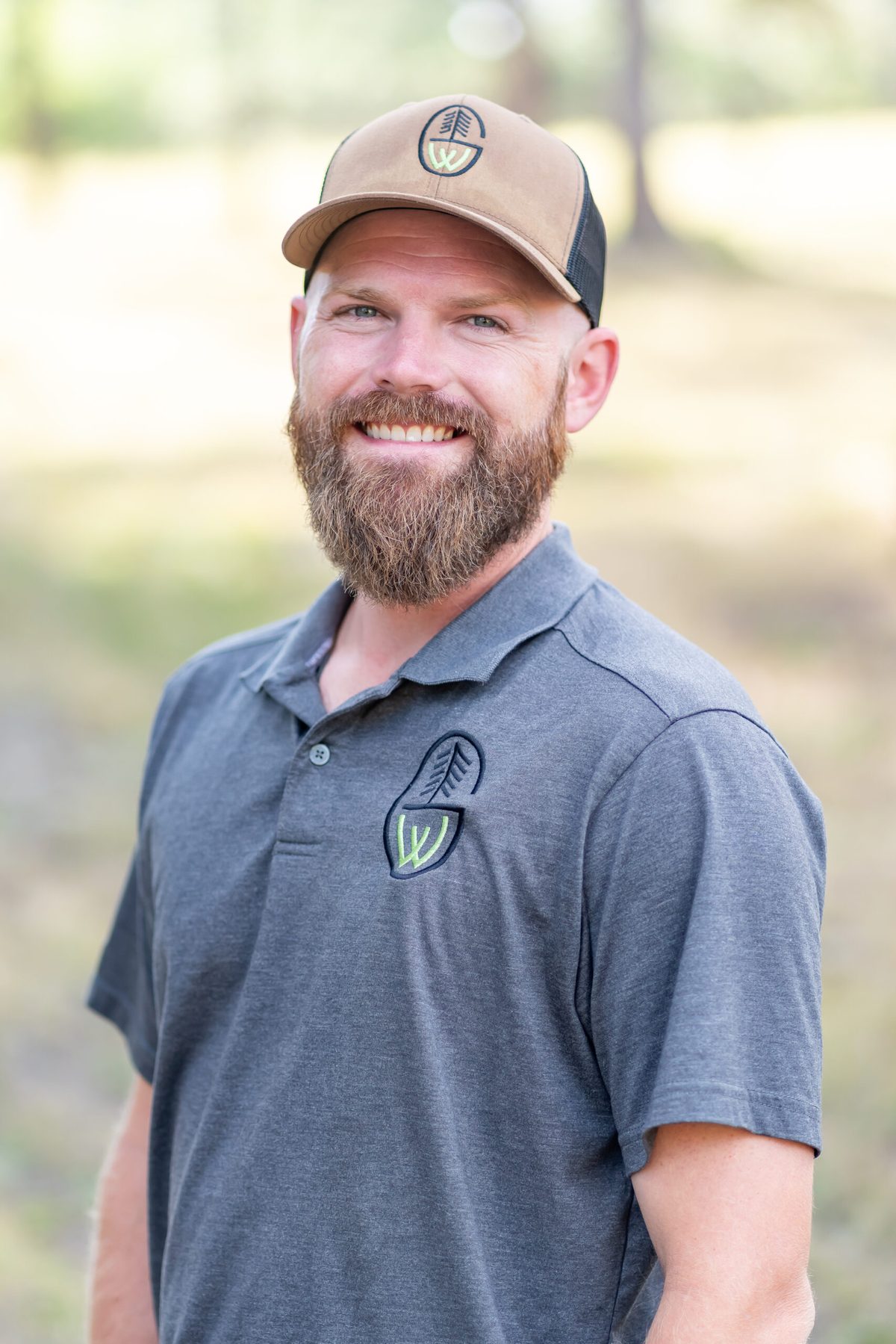
Nick Anderson, a Great Western Tree Care arborist, on a Colorado property
Nick Anderson, Sales Manager, Great Western Tree Care
Free Estimate

Need Tree Care in Highlands Ranch?

Great Western Tree Care provides free on-site evaluations for residential properties across Highlands Ranch. Our ISA-Certified Arborists assess your trees' health, structural condition, and specific care needs before recommending any services.

(720) 535-8769

Serving Colorado’s Front Range