Bur Oak
Quercus macrocarpa
Bur oak is a large, durable shade tree valued for its massive canopy, strong structure, and exceptional tolerance to heat, cold, and drought. Well-suited to Colorado landscapes, it is a long-lived tree that provides deep shade and long-term stability when given adequate space to grow.
Quick specifications
- Mature Height
- 60–80 ft
- Mature Spread
- 60–80 ft
- Growth Rate
- Slow to moderate
- Sun
- Full sun required for proper development
- Water
- Deep, infrequent watering encourages deep rooting
- Hardiness
- 200+ years under good conditions
- Genus
- Oak (Quercus)
Identification
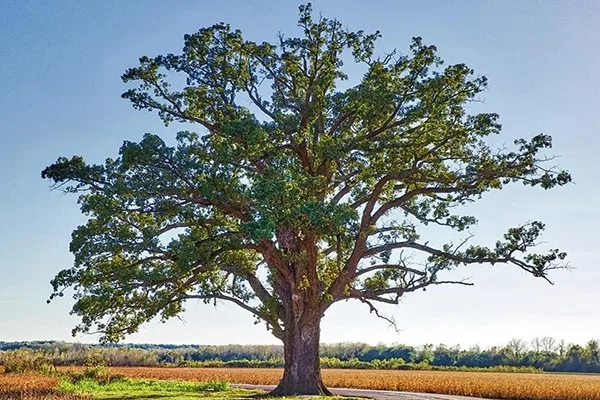
Species
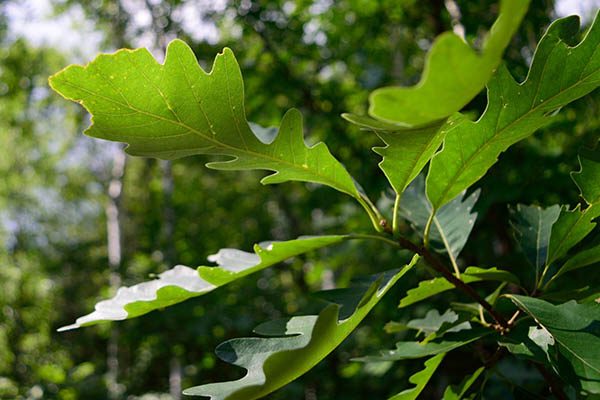
Leaf detail
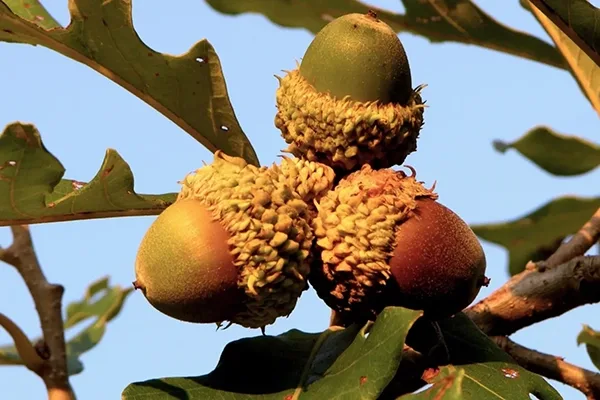
Structure
Overview
Bur oak is a large, durable shade tree valued for its massive canopy, strong structure, and exceptional tolerance to heat, cold, and drought. Well-suited to Colorado landscapes, it is a long-lived tree that provides deep shade and long-term stability when given adequate space to grow.
Key Characteristics
- Mature Size: 60–80 ft tall | 60–80 ft wide
- Growth Rate: Slow to moderate
- Form: Broad, spreading canopy with strong structure
- Fall Color: Yellow to yellow-brown
- Lifespan: 200+ years under good conditions
Colorado Growing Conditions
Extremely tolerant of drought, wind, and cold
Handles alkaline and clay soils better than most oaks
Very strong wood and branch structure
Long-lived, resilient shade tree once established
Planting Considerations
- Full sun required for proper development
- Needs significant space for mature canopy
- Slow establishment; requires patience early on
- Deep, infrequent watering encourages deep rooting
Common Problems
- Leaf scorch during extreme drought when young
- Minor chlorosis possible in very high-pH soils
- Generally low pest and disease pressure
Best Use Scenarios
- Large residential properties and acreage
- Parks, open spaces, and estates
- Windy, exposed Front Range sites
- Long-term legacy shade tree plantings
Related Services
Related Trees
Related Resources
When you want a professional opinion
The Root exists to help you understand your landscape. When a tree needs hands-on evaluation, a Great Western arborist can look at it in person.