Northern Red Oak
Northern red oak is a stately shade tree known for its strong branching, broad canopy, and rich red fall color. When planted in suitable Colorado sites, it provides dependable shade, seasonal interest, and long-term value with proper care and placement.
Quick specifications
- Mature Height
- 50–70 ft
- Mature Spread
- 40–60 ft
- Growth Rate
- Moderate
- Sun
- Full sun required for best growth
- Water
- Benefits from well-drained soils; avoid poorly drained clay pockets• Deep, consistent watering during establishment
- Soil
- Benefits from well-drained soils; avoid poorly drained clay pockets• Deep, consistent watering during establishment
- Hardiness
- 100+ years with proper care
- Genus
- Oak (Quercus)
Identification
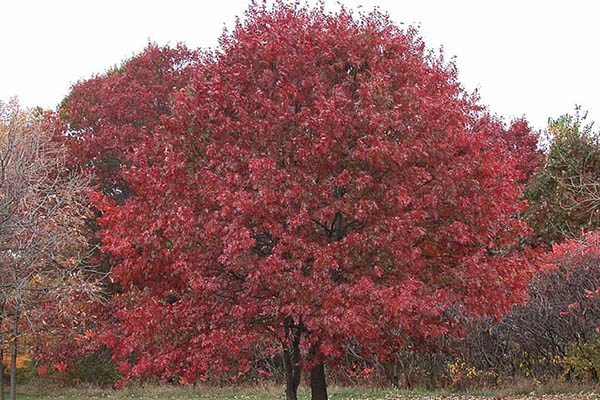
Species
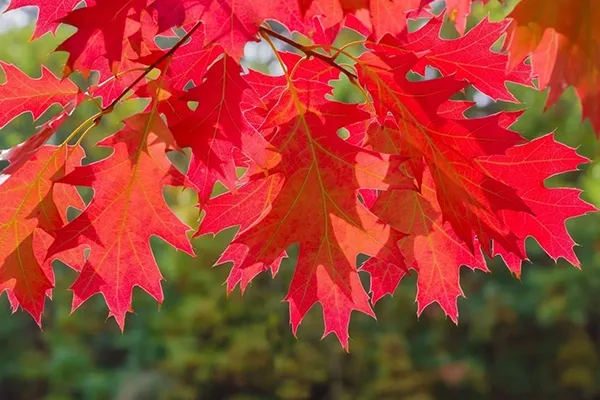
Leaf detail
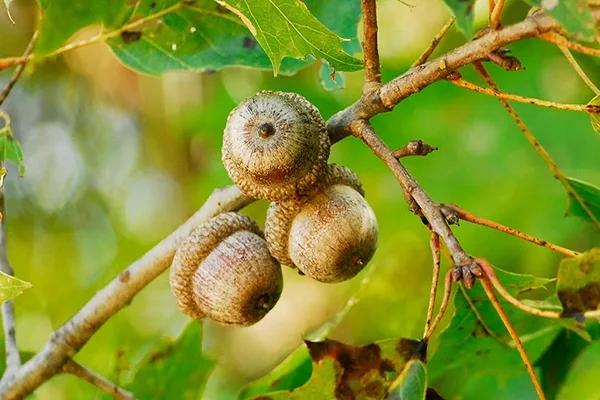
Structure
Overview
Northern red oak is a stately shade tree known for its strong branching, broad canopy, and rich red fall color. When planted in suitable Colorado sites, it provides dependable shade, seasonal interest, and long-term value with proper care and placement.
Key Characteristics
- Mature Size: 50–70 ft tall | 40–60 ft wide
- Growth Rate: Moderate
- Form: Broad oval to rounded canopy
- Fall Color: Red to russet-red
- Lifespan: 100+ years with proper care
Colorado Growing Conditions
Strong cold hardiness and wind tolerance
Performs well in urban and residential landscapes
Attractive fall color and strong branch structure
Good long-term shade tree when properly sited
Planting Considerations
- Full sun required for best growth
- Needs ample space for mature canopy
- Benefits from well-drained soils; avoid poorly drained clay pockets• Deep, consistent watering during establishment
Common Problems
- Leaf scorch during drought or extreme heat
- Chlorosis possible in very high-pH soils
- Generally moderate pest and disease pressure
Best Use Scenarios
- Large residential yards
- Parks and open spaces
- Streetscapes with adequate soil volume
- Long-term shade tree plantings
Related Services
Related Trees
Related Resources
When you want a professional opinion
The Root exists to help you understand your landscape. When a tree needs hands-on evaluation, a Great Western arborist can look at it in person.