Honeycrisp Apple
Malus domestica
Honeycrisp apple trees are a popular choice for Front Range Colorado landscapes, known for their crisp, sweet fruit and strong cold hardiness. When planted in the right location and protected from late spring frosts, they can perform well despite Colorado’s temperature swings. With beautiful spring blooms, dependable fall harvests, and a manageable growth habit, Honeycrisp apples add both visual appeal and fresh, homegrown fruit to Front Range yards.
Quick specifications
- Mature Height
- 12–15 ft
- Mature Spread
- 12–15 ft (semi-dwarf)
- Growth Rate
- Moderate
- Sun
- Full sun required for fruit production
- Water
- Requires regular irrigation during establishment and fruiting• Annual pruning is essential for structure and yield
- Hardiness
- 30–50+ years with proper care
Identification
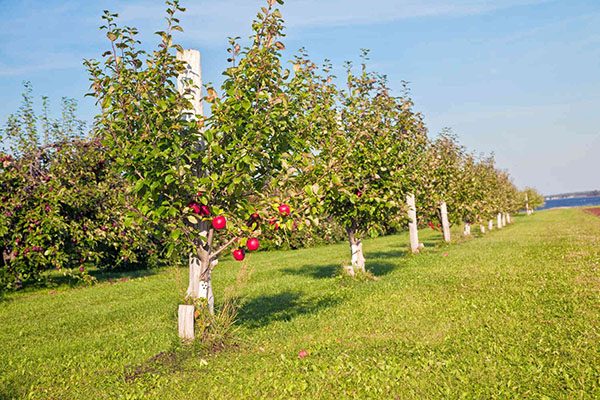
Species
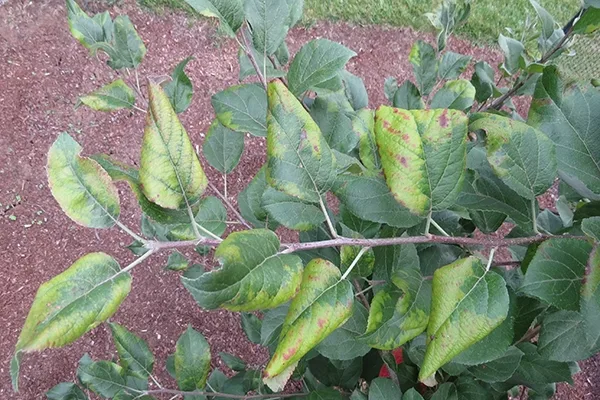
Leaf detail
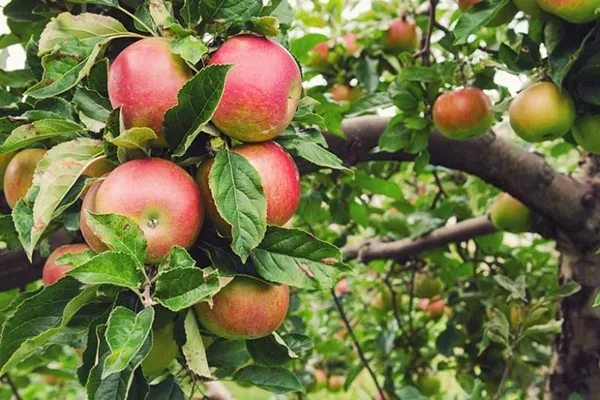
Fruit
Overview
Honeycrisp apple trees are a popular choice for Front Range Colorado landscapes, known for their crisp, sweet fruit and strong cold hardiness. When planted in the right location and protected from late spring frosts, they can perform well despite Colorado’s temperature swings. With beautiful spring blooms, dependable fall harvests, and a manageable growth habit, Honeycrisp apples add both visual appeal and fresh, homegrown fruit to Front Range yards.
Key Characteristics
- Mature Size: 12–15 ft tall | 12–15 ft wide (semi-dwarf)
- Growth Rate: Moderate
- Form: Rounded canopy with spreading branches
- Flower Color: White to light pink (spring)
- Fruit: Large, crisp apples (late summer–early fall)
- Lifespan: 30–50+ years with proper care
Colorado Growing Conditions
Excellent cold hardiness for Front Range winters
Produces high-quality fruit in Colorado climates
Strong spring bloom ornamental value
Well suited to home orchards with full sun
Planting Considerations
- Full sun required for fruit production
- Requires regular irrigation during establishment and fruiting• Annual pruning is essential for structure and yield
- Cross-pollination required—plant with another apple variety
Common Problems
- Apple scab, fire blight, and powdery mildew possible
- Codling moth and aphids may require monitoring
- Fruit drop during drought or nutrient stress
Best Use Scenarios
- Home orchards and edible landscapes
- Backyard fruit trees with active care
- Landscapes combining ornamental and edible value
- Sites with space for pollinator varieties
Related Services
Related Trees
Related Resources
When you want a professional opinion
The Root exists to help you understand your landscape. When a tree needs hands-on evaluation, a Great Western arborist can look at it in person.