Newport Plum
Newport plum trees are a reliable and attractive option for Front Range Colorado landscapes, valued for their hardiness and consistent performance in challenging conditions. Well suited to cold winters, variable spring weather, and urban environments, they produce fragrant spring blossoms followed by flavorful plums in late summer. With ornamental appeal and dependable fruit production, Newport plum trees add both beauty and function to Front Range yards.
Quick specifications
- Mature Height
- 15–20 ft
- Mature Spread
- 15–20 ft
- Growth Rate
- Moderate
- Sun
- Full sun required for best foliage color
- Water
- Moderate water needs once established
- Soil
- Requires good drainage; avoid wet clay pockets
- Hardiness
- 30–45+ years under Front Range conditions
Identification
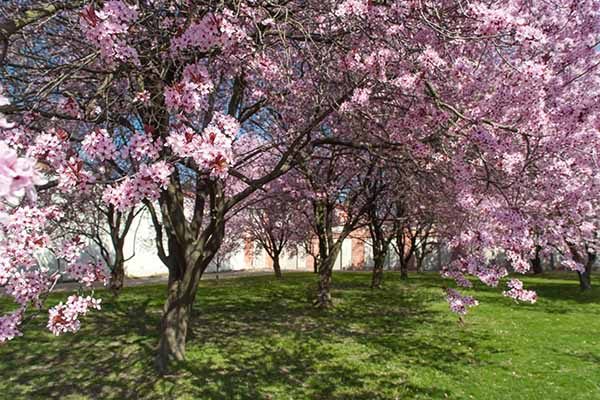
Species
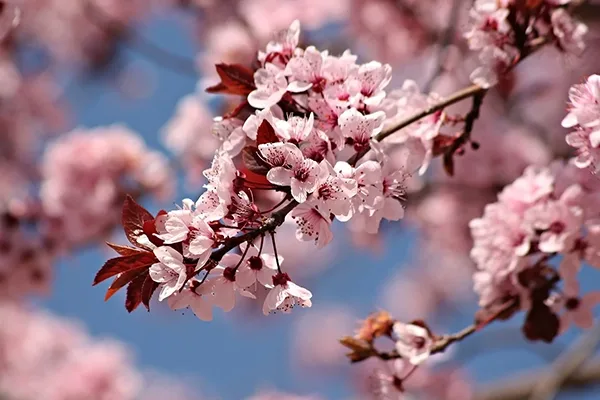
Leaf detail
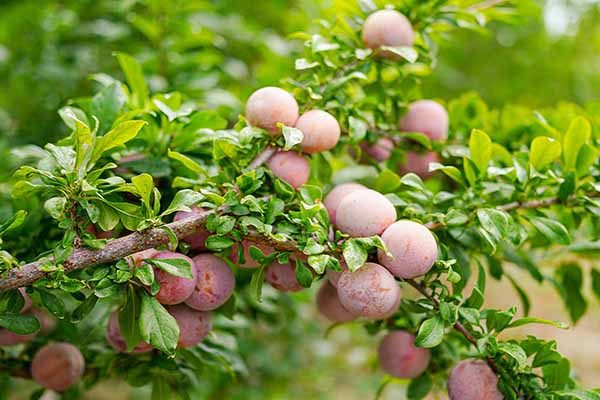
Fruit
Overview
Newport plum trees are a reliable and attractive option for Front Range Colorado landscapes, valued for their hardiness and consistent performance in challenging conditions. Well suited to cold winters, variable spring weather, and urban environments, they produce fragrant spring blossoms followed by flavorful plums in late summer. With ornamental appeal and dependable fruit production, Newport plum trees add both beauty and function to Front Range yards.
Key Characteristics
- Mature Size: 15–20 ft tall | 15–20 ft wide
- Growth Rate: Moderate
- Form: Rounded to spreading, often multi-stem
- Flower Color: Light pink to white (early spring)
- Foliage: Deep purple-red throughout the season
- Fruit: Small dark plums (ornamental)
- Lifespan: 30–45+ years under Front Range conditions
Colorado Growing Conditions
Excellent cold hardiness and wind tolerance
Striking purple foliage provides season-long color
Performs well in alkaline Front Range soils
Reliable ornamental alternative to purple-leaf pears
Planting Considerations
- Full sun required for best foliage color
- Requires good drainage; avoid wet clay pockets
- Moderate water needs once established
- Light structural pruning improves long-term form
Common Problems
- Aphids and tent caterpillars occasionally
- Black knot in crowded or stressed plantings
- Leaf scorch during prolonged drought
Best Use Scenarios
- Front-yard ornamental tree
- Accent planting for foliage color
- Small residential landscapes
- Mixed ornamental plantings
Related Services
Related Trees
Related Resources
When you want a professional opinion
The Root exists to help you understand your landscape. When a tree needs hands-on evaluation, a Great Western arborist can look at it in person.