
Winter Burn & Desiccation
Orange, bronze or brown foliage on evergreens caused by winter moisture loss — most common on south and west exposures, and almost entirely preventable with winter watering.
- Type
- Environmental
- Affects
- Shrubs, Trees
- Risk
- Most common evergreen problem in Colorado
What Is It?
Winter burn is desiccation, not disease. Evergreen foliage continues to lose moisture through the winter while frozen or dry soil prevents roots from replacing it.
It is the most common evergreen problem GWTC sees in Colorado landscapes.
Diagnostic Imagery
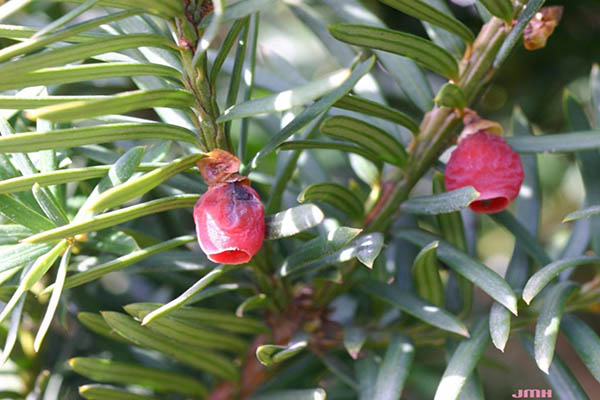
In the field
What Does It Affect?
- Yews
- Arborvitae
- Boxwood
- Spruce
- Broadleaf evergreens
What Should I Look For?
- Needles turn orange, bronze or brown.
- Outer foliage scorches while inner foliage stays green.
- Most common on south or west exposures.
What Does It Mean In Colorado?
Bright winter sun, dry air and long stretches without precipitation make Front Range winters unusually hard on evergreens.
Damage often is not obvious until spring, when homeowners assume a disease caused it.
Seasonal Timing
Winter–Early Spring
Damage develops and becomes visible.
Spring
Prune lightly to remove dead tips once new growth direction is clear.
What Can Be Done?
01
Winter watering
Water every 4–6 weeks through winter when conditions are dry and the soil is not frozen.
02
Mulch the root zone
Maintain 2–3 inches of mulch over the root zone, kept off the stems.
03
Avoid late-fall fertilizer pushes
Late nitrogen produces tender growth heading into the hardest part of the year.
Prevention
- Site sensitive evergreens away from full south and west winter exposure.
- Protect new plantings from drying winter winds.
When Should I Call An Arborist?
- Browning covers most of the plant rather than the outer edges.
- Damage repeats every winter in the same location.
Related Services
Not sure what you're looking at?
Diagnosis is the difference between treating a problem and guessing at one. A Great Western arborist can identify what is affecting your tree before anything is applied.