
Lawn Pests & Fungus
Colorado's lawns face a unique set of challenges due to the state's semi-arid climate, high altitude, and variable weather conditions. Each profile below separates the insect, disease and environmental explanations — and says plainly when the problem is cosmetic.
Lawn Pests
Colorado lawns contend with a range of pest and fungal issues that are closely tied to the region’s climate, soil conditions, and irrigation practices. High altitude sun exposure, compacted or alkaline soils, and periods of both drought and sudden moisture create stress that weakens turfgrass over time. When lawns are under stress, they become far more susceptible to insects and disease, often showing symptoms that develop gradually before turning into widespread thinning or dead patches.
Common lawn pests in Colorado include white grubs, billbugs, sod webworms, and chinch bugs. White grubs feed on grass roots, causing turf to lift easily from the soil and brown out despite regular watering. Billbugs and sod webworms damage grass stems and crowns, leading to irregular dead spots that are often mistaken for drought stress. Chinch bugs tend to thrive in hot, dry conditions, sucking moisture from grass blades and accelerating decline during the peak of summer.
Lawn Fungus
Fungal diseases are frequently linked to excess moisture, poor drainage, or improper watering schedules. Conditions such as necrotic ring spot, fairy ring, dollar spot, and leaf spot are common in Colorado lawns, particularly during warm days followed by cool nights. Many of these fungi persist in the soil for years, flaring up when environmental conditions are favorable. Symptoms can range from circular patches and thinning turf to straw-colored rings and greasy-looking lesions on grass blades.
Long-term lawn health depends on addressing the underlying causes rather than reacting to surface symptoms alone. Proper mowing height, deep and infrequent watering, core aeration, and balanced fertilization all play a role in strengthening turf and reducing vulnerability. When pests or fungal issues are identified early, targeted treatments combined with improved cultural practices can restore turf density, improve root health, and help Colorado lawns remain resilient through seasonal extremes.
8 profiles
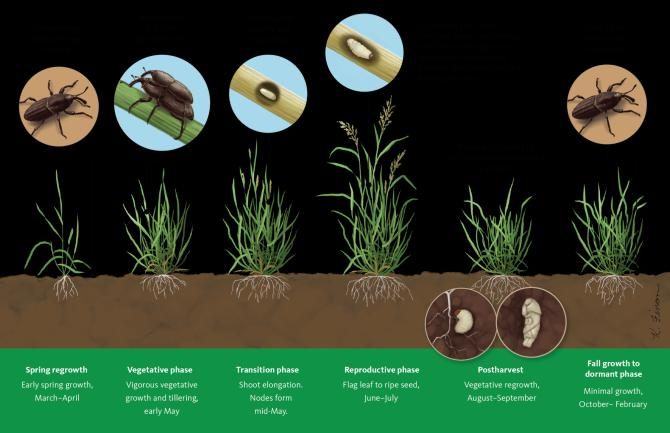
Billbug (Turf Insect Damage)
Billbugs are root-feeding weevils that damage Kentucky bluegrass, perennial ryegrass, and occasionally tall fescue in Colorado. Larvae feed inside stems and roots, causing dead patches that resemble drought or heat stress. Damage appears late spring through mid- summer.
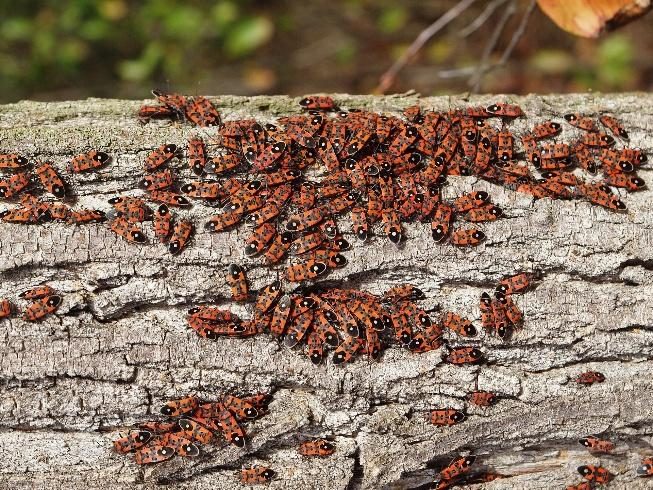
Chinch Bugs (Turf)
Chinch bugs are sap-sucking insects that cause patchy, drought-like lawn damage, especially during hot, dry summers. They thrive in sunny, dry areas and weaken turf by removing plant juices and injecting toxins. Damage appears quickly and often mimics heat stress or drought scorch.
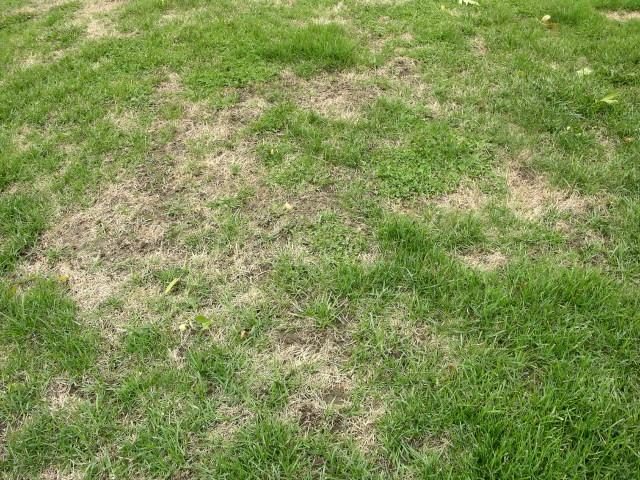
Cranberry Girdler (Turf)
Cranberry Girdler is a root- and crown-feeding caterpillar that damages Colorado turf, especially Kentucky bluegrass, fine fescue, and bentgrass. It causes large thinning areas, brown patches, and poor late-summer lawn recovery. It is one of the most destructive sod- feeding insects in Colorado turf.
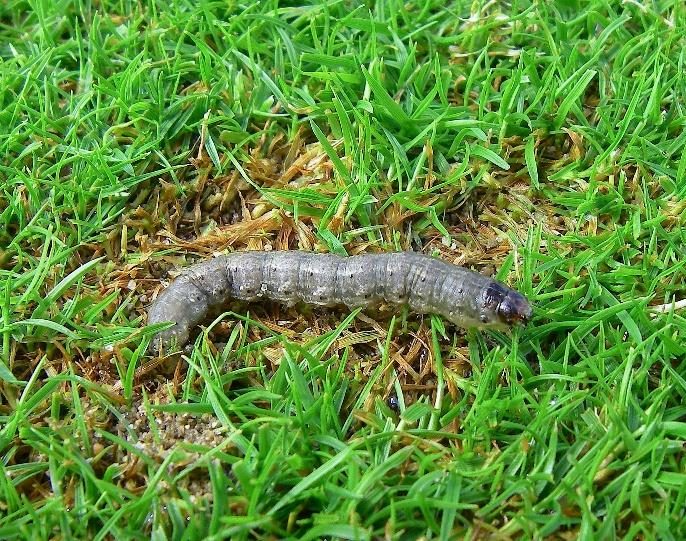
Cutworms (Turf)
Cutworms are night-feeding caterpillars that chew through grass blades, stems, and crowns. Damage appears as small brown patches, chewed stems, or sudden thinning, especially in newly seeded lawns. Adults are the brown or gray moths often seen fluttering around porch lights.
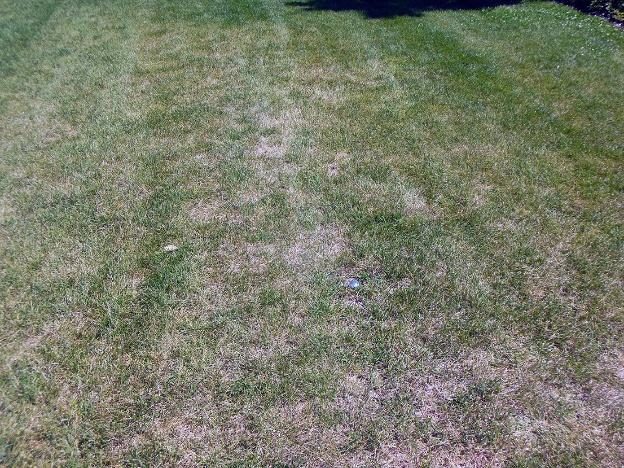
Japanese Beetle Grubs (Turf)
Japanese beetle grubs are root-feeding white grubs that cause severe turf damage, especially in irrigated Colorado lawns. They are similar to other white grubs but tend to be more aggressive, more numerous, and more destructive. Damage appears late summer through fall and often requires preventive treatment in areas with known infestations.
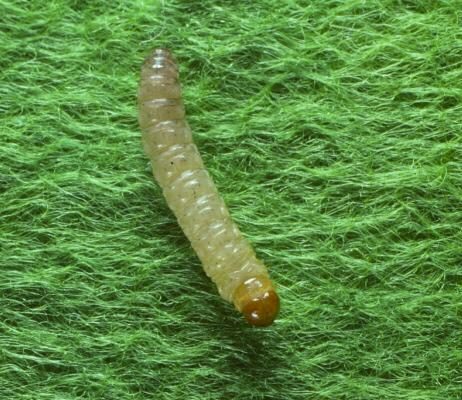
Sod Webworms (Turf)
Sod Webworms are grass-feeding caterpillars that chew turf blades and crowns, causing patchy brown spots that worsen in hot, dry weather. Adult moths are the small tan moths that fly up when you walk across the lawn. Damage usually appears mid–summer through early fall.
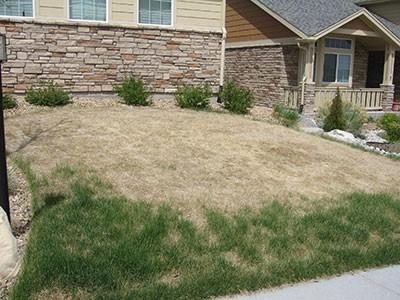
Turf Mites (Winter Mites & Clover Mites)
Turf mites are tiny, sap-feeding arachnids that cause dry, straw-colored patches, usually during late winter to early spring when grass is stressed and moisture is low. In Colorado, winter turf mite damage is extremely common, especially on south- and west-facing slopes.
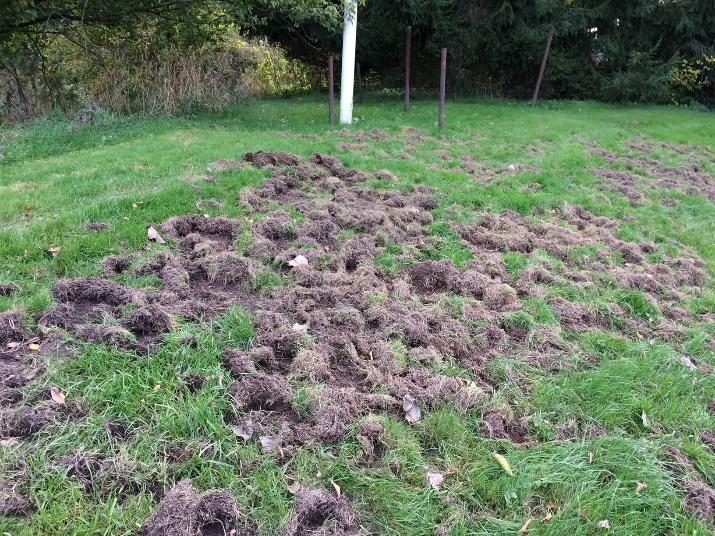
White Grubs (Turf)
White grubs are root-feeding beetle larvae that damage lawns by chewing through the turf’s root system. This causes large brown patches, spongy turf, and easy peel-back of sod. Grub damage typically appears late summer through fall, but the insects develop underground year-round.
8 profiles
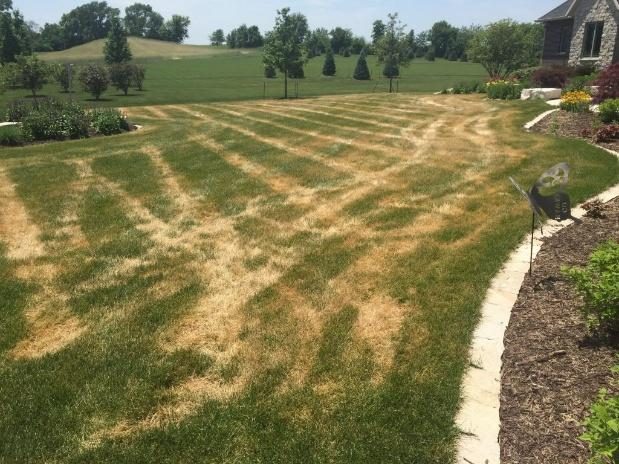
Ascochyta Leaf Blight
Ascochyta Leaf Blight is a rapid-onset turf disease that causes lawns to appear straw-colored almost overnight, especially after periods of heat + drought stress, mowing injury, or irregular watering. Despite its alarming appearance, Ascochyta is usually temporary and non- lethal.
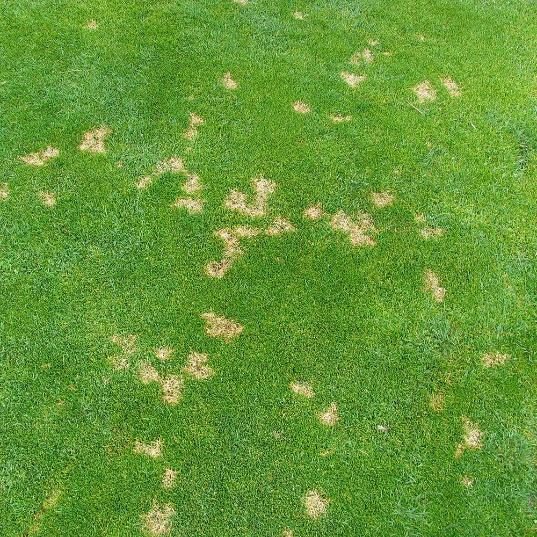
Dollar Spot
Dollar Spot is a common summer lawn disease in Colorado, especially in Kentucky bluegrass, fescues, and ryegrass under low nitrogen or drought stress. It forms silver-dollar-sized spots that merge into larger brown patches. It is destructive if unmanaged but responds well to proper nutrition and watering.
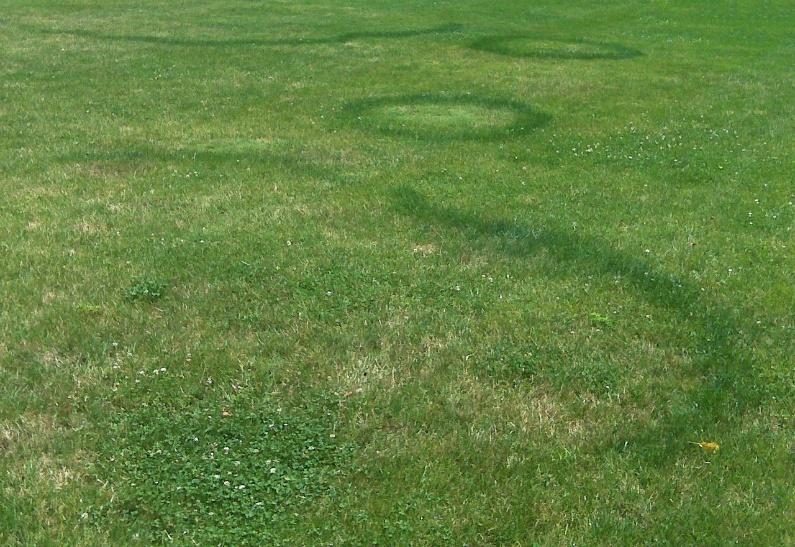
Fairy Ring
Fairy Ring is a soil-based fungal complex that causes dark green rings, dead rings, mushrooms, or a combination of these. It is very stubborn, especially in Colorado’s dry, compacted soils and thatch-heavy bluegrass lawns. Management requires soil modification, deep watering, and sometimes fungicide + aeration programs. 4
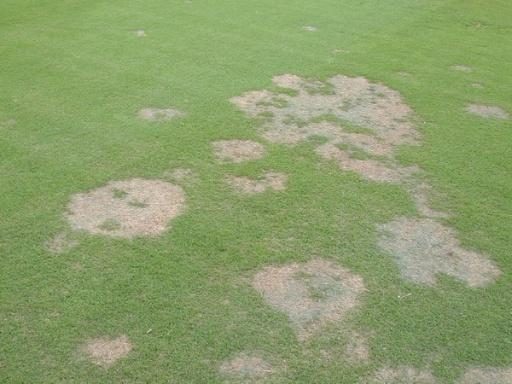
Necrotic Ring Spot (NRS)
Necrotic Ring Spot is one of Colorado’s most common and destructive lawn diseases, especially in Kentucky bluegrass. It causes rings, dead patches, frog-eye patterns, and thinning that worsens with drought, heat, and excessive thatch. Usually appears late spring through fall.
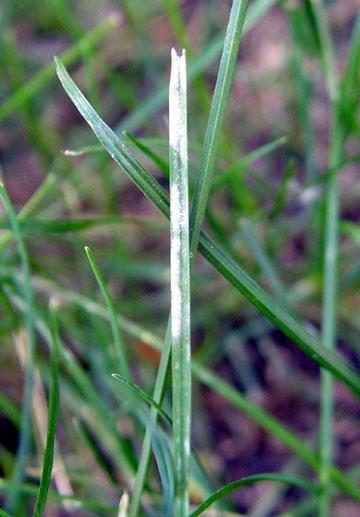
Powdery Mildew (Turfgrass)
Powdery Mildew is a cosmetic fungal disease that affects Kentucky bluegrass in shady, damp, low-airflow areas. It appears as a white, powdery coating on grass blades. It rarely kills turf and is usually a sign of too much shade, poor airflow, or prolonged moisture, rather than a serious infection.
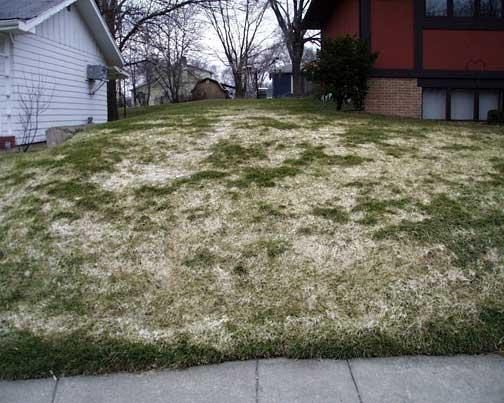
Snow Mold
Snow Mold is a cool-season lawn disease that appears after long snow cover, especially on north-facing lawns, shaded areas, and yards with heavy thatch. It causes matted, bleached patches in early spring. Most cases are cosmetic and recover quickly with light raking.
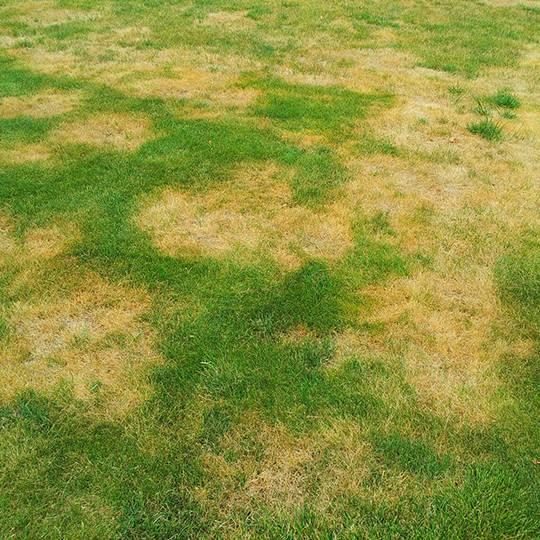
Summer Patch
Summer Patch is a serious, root-destroying turf disease in Colorado, primarily affecting Kentucky bluegrass and occasionally annual bluegrass. It thrives in hot soil temperatures, poor drainage, and compacted or overwatered lawns. Damage is often mistaken for drought stress, but watering does not revive affected patches.
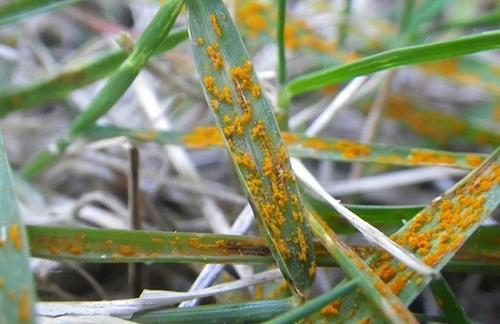
Turf Rust
Rust is a very common late-summer lawn disease in Colorado, especially during dry periods, slow growth, or nutrient deficiency. It coats grass blades in orange dust, weakens the lawn, and can stain shoes and pets. Rust is usually non-lethal and easy to manage with proper fertilization and watering.
1 profiles
A lawn diagnosis is worth more than a product
Most turf treatments fail because the timing or the diagnosis was wrong. A Great Western technician can confirm what is actually happening in the soil and the canopy.