
Fairy Ring
Multiple Basidiomycete fungi — Marasmius, Lepiota, Agaricus, etc.
Fairy Ring is a soil-based fungal complex that causes dark green rings, dead rings, mushrooms, or a combination of these. It is very stubborn, especially in Colorado’s dry, compacted soils and thatch-heavy bluegrass lawns. Management requires soil modification, deep watering, and sometimes fungicide + aeration programs. 4
Seasonal Disease Activity Calendar
| Problem | Type | Active Season |
|---|---|---|
| Fairy Ring (all types) | Fungus | Spring–Fall (visible mostly Summer–Fall) |
Symptoms (Homeowner-Friendly)
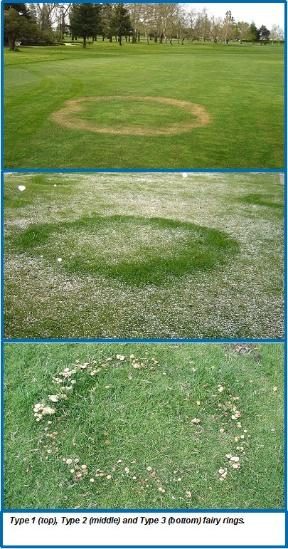
Fairy Ring occurs in three primary forms
Type 1 – Dead Rings (Most Serious)
- Brown, dead or dying rings of grass
- Soil becomes hydrophobic (repels water)
- Turf within ring may not respond to irrigation
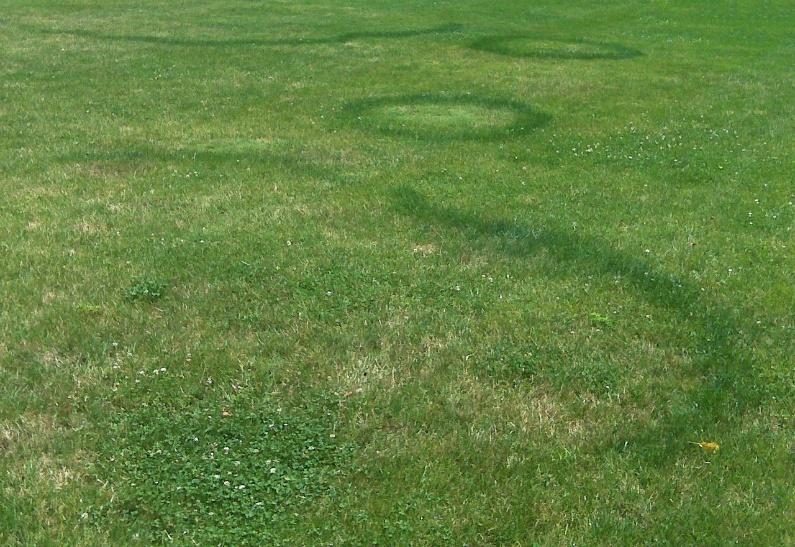
Type 2 – Dark Green Rings
- Lush, bright-green rings from extra nitrogen released by fungus
- Often 2–15 feet wide
- Can persist for years if untreated
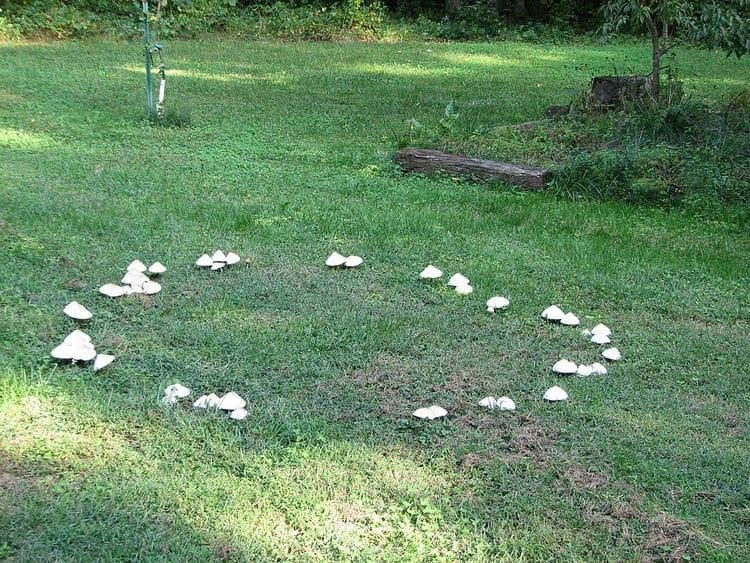
Type 3 – Mushroom Rings
- Mushrooms or puffballs forming arcs or full circles
- Usually more cosmetic than harmful
- Common after rain or heavy irrigation
Primary Causes (Colorado-Specific)
- Heavy thatch (>½ inch)
- Compacted clay soils
- Bentgrass contamination
- Buried wood, roots, or construction debris
- Inconsistent irrigation / drought stress
- Organic material decaying under the lawn
Treatment & Management
Fairy Ring is difficult—management focuses on soil correction, not just fungicides.
1. Deep Soil Penetration (Critical)
Action Why it Works
Core aerate 2–3 times per season Breaks up hydrophobic soil & fungal mats Water deeply through aeration holes Helps water reach roots through repellent soil Use a wetting agent (surfactant) Reduces soil water repellency
2. Improve Turf Resilience
| Practice | Benefit |
|---|---|
| Topdress with compost | Increases microbial competition with Fairy Ring fungi |
| Overseed with tall fescue or KBG | Helps mask thinning areas |
| Balanced fertilization | Reduces visible contrast between ring & surrounding turf |
3. Fungicide Options (Professional-Level Only)
Fungicides alone DO NOT work unless applied with aeration + wetting agent.
Best classes
- QoI (azoxystrobin) — most widely used
- SDHI fungicides (e.g., flutolanil, fluxapyroxad)
- Combination products for stubborn cases
Timing: Early summer before symptoms fully appear → best results.
When to Worry vs. When It’s Cosmetic
When to Worry (action recommended)
- Dead, brown rings that do not respond to irrigation
- Hydrophobic soil where water beads up or runs off
- Rings expanding each season
- Mushrooms accompanied by thinning or dead turf
- Repeated return every year despite normal care
This usually requires a multi-year aeration + wetting agent program, and possibly fungicides.
Mostly Cosmetic (monitor only)
- Mushrooms after rain with no dead turf
- Slightly darker or greener rings
- Rings that don’t expand or affect mowing
- Turf that recovers once weather cools
These forms of Fairy Ring are not harmful long-term.
Diagnostic Imagery
Turf problems are often several problems at once
A Great Western technician can confirm the diagnosis on site before anything is treated — timing matters more than product choice.