
Cranberry Girdler (Turf)
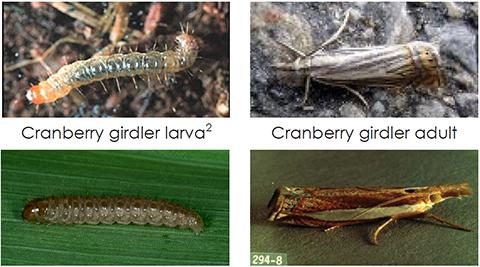
Chrysoteuchia topiaria — a sod webworm-type moth larva
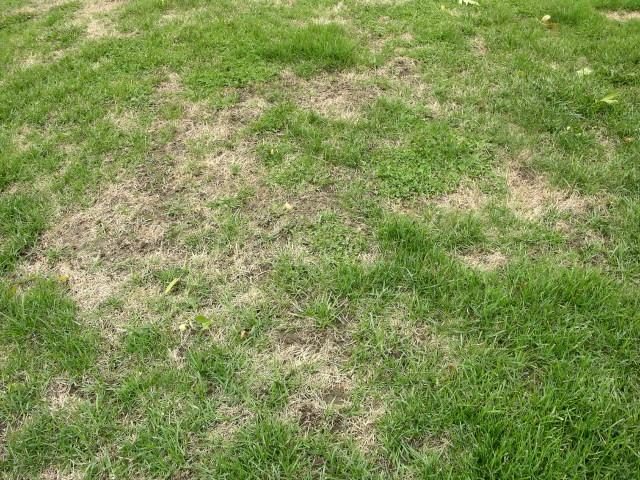
Cranberry Girdler is a root- and crown-feeding caterpillar that damages Colorado turf, especially Kentucky bluegrass, fine fescue, and bentgrass. It causes large thinning areas, brown patches, and poor late-summer lawn recovery. It is one of the most destructive sod- feeding insects in Colorado turf.
Seasonal Activity Calendar
| Stage / Damage | Type | Active Season |
|---|---|---|
| Larvae begin feeding | Insect | Spring |
| Peak feeding (MOST DAMAGE) | Insect | Summer–Early Fall |
| Pupation in soil | Insect | Fall |
| Overwintering larvae | Insect | Winter |
| Adult moths emerge | Insect | Early Summer |
Symptoms (Homeowner-Friendly)
Typical Damage Signs
| Symptom | Description |
|---|---|
| Brown, irregular dead patches | Often appear in late summer |
| Turf pulls up easily (not as loose as grub damage) | Roots and crowns chewed by larvae |
| Thin, weak turf with poor recovery | Damage accumulates over months |
| Birds pecking in lawn | Birds target larvae beneath the surface |
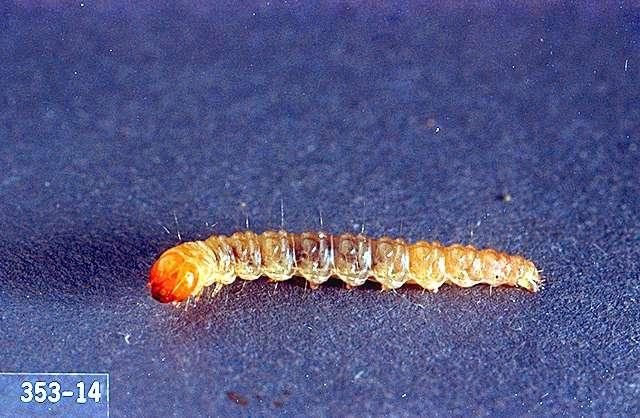
| Larvae found in thatch | White to grayish larvae with brown head capsule |
The Soapy Water Test
- Mix 2 tbsp dish soap per gallon of water.
- Pour over 1–2 sq ft.
- Larvae crawl up in 3–5 minutes if present.
Primary Causes (Colorado Conditions)
- Dense thatch (favorite habitat)
- Moist, matted lawns (especially fescue, bluegrass, bentgrass)
- Over-irrigated or poorly draining turf
- Microclimates with constant humidity (shade, slopes, near water features)
- Previously damaged areas from webworms or billbugs
Treatment & Management
1. Cultural Practices (VERY IMPORTANT)
| Action | Why it Helps |
|---|---|
| Reduce thatch (<½") | Removes habitat where larvae feed and hide |
| Core aeration 1–2× yearly | Reduces compaction and improves root vigor |
| Avoid overwatering | Cranberry Girdler thrives in moist thatch |
| Raise mowing height (3–3.5") | Strengthens turf and reduces heat stress |
2. Insecticide Options (Most Effective on Young Larvae)
Apply June–August when young larvae begin feeding.
| Product Class | Notes |
|---|---|
| Acelepryn (chlorantraniliprole) | One of the BEST options; long-lasting and safe |
| Pyrethroids (bifenthrin, deltamethrin, lambda-cyhalothrin) | Effective; multiple apps may be needed |
| Carbaryl (Sevin) | Effective on larger larvae |
| BT kurstaki | Natural option for early-stage larvae (less effective on older larvae) |
Light watering helps move product into the thatch layer.
3. Lawn Recovery
- Fertilize lightly to stimulate new root and shoot growth
- Water deeply but infrequently
- Overseed thin areas with tall fescue (more insect-resistant)
- Topdress with compost to improve microbial balance
When to Worry vs. When It’s Cosmetic
When to Worry (action recommended)
- Brown patches expand late summer–early fall
- Soapy water test shows multiple larvae
- Turf continues thinning despite watering
- Chronic thatch-heavy lawn
- Birds repeatedly pecking or scratching turf
- Damage returns every year in same areas
This requires targeted insecticide timing + thatch and moisture management.
Mostly Cosmetic (monitor only)
- Small patches that stop spreading
- Occasional larvae but turf largely stable
- Damage slows once weather cools
- Turf recovering after irrigation adjustments
- Occasional moths but no thinning
Many Colorado lawns only see minor, temporary damage unless thatch is excessive.
Diagnostic Imagery
Other lawn & turf problems
Related services
Turf problems are often several problems at once
A Great Western technician can confirm the diagnosis on site before anything is treated — timing matters more than product choice.