
Lawn & Turf Problem
Chinch Bugs (Turf)
Common Chinch Bug – Blissus leucopterus; Hairy Chinch Bug – Blissus hirtus
Chinch bugs are sap-sucking insects that cause patchy, drought-like lawn damage, especially during hot, dry summers. They thrive in sunny, dry areas and weaken turf by removing plant juices and injecting toxins. Damage appears quickly and often mimics heat stress or drought scorch.
Seasonal Activity Calendar
| Stage / Damage | Type | Active Season |
|---|---|---|
| Overwintered adults become active | Insect | Spring |
| Egg laying & nymphs (MAIN DAMAGE) | Insect | Summer |
| Second generation nymphs | Insect | Late Summer–Fall |
| Adults overwinter in thatch | Insect | Winter |
Symptoms (Homeowner-Friendly)
| Symptom | Description |
|---|---|
| Irregular brown patches | Turf appears drought-stressed even with irrigation |
| Quick expansion in hot weather | Damage accelerates during heatwaves |
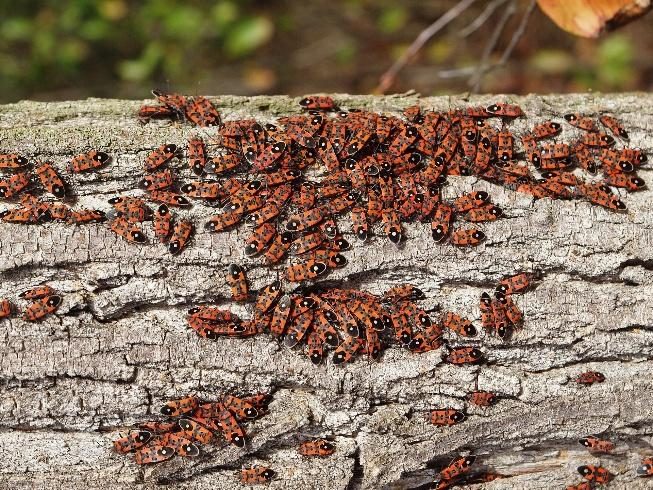
| Bright red/orange nymphs | Young chinch bugs visible at soil surface |
| Yellowing or purpling grass | Plants poisoned by their feeding toxins |
| Turf does NOT pull up easily | Unlike billbugs or grubs, roots remain intact |
| Damage worst in sunny, dry, south-/west-facing areas |
The “Tin Can Test” (Chinch Bug Detection)
1. Cut both ends off a metal can.
2. Push 1–2 inches into soil at damage edge.
3. Fill with water.
4. Chinch bugs float to surface within 5 minutes.
Primary Causes (Colorado Conditions)
- Hot, dry summers with low humidity
- Thatch buildup where chinch bugs hide
- Stressed turf under drought or poor irrigation coverage
- Kentucky bluegrass and fine fescue more susceptible
- Poor mowing height increasing heat stress
Treatment & Management
1. Cultural Prevention (Very Important)
| Action | Why it Helps |
|---|---|
| Reduce thatch (: < ½”) | Removes chinch bug habitat |
| Core aerate annually | Improves soil moisture & turf vigor |
| Deep, consistent watering | Reduces turf stress and susceptibility |
| Raise mowing height (3–3.5") | Reduces heat impact |
| Overseed with tall fescue | Much more chinch bug–resistant |
2. Insecticide Options
Effective when nymphs are active (summer).
| Product Class | Notes |
|---|---|
| Pyrethroids (bifenthrin, lambda-cyhalothrin, deltamethrin) | Most commonly used and effective |
| Neonicotinoids (clothianidin, imidacloprid) | Help with adults and nymphs |
| Acelepryn (chlorantraniliprole) | Not very effective on chinch bugs (avoid for this purpose) |
Treat entire affected zone and water lightly to settle product into thatch layer.
3. Lawn Recovery
- Water deeply after treatment to help turf rebound
- Fertilize lightly to encourage recovery (avoid heavy summer nitrogen)
- Overseed thin areas with heat-tolerant tall fescue
When to Worry vs. When It’s Cosmetic
When to Worry (action recommended)
- Turf turns brown rapidly in heat despite watering
- Tin-can test reveals dozens of chinch bugs
- Brown patches spread across sunny areas
- Turf remains thin after 2–3 weeks of watering
- Outbreaks recurring every summer
- Thatch layer is thick and spongy
These require insecticide + cultural changes.
Mostly Cosmetic (monitor only)
- Minor browning along edges or hot spots
- Small populations found (1–5 bugs per square foot)
- Turf recovering with cooler weather
- Damage stops spreading after irrigation improvements
- No visible nymphs during tin-can test
These often resolve with watering adjustments and monitoring.
Diagnostic Imagery
Related services
Great Western Tree Care
Turf problems are often several problems at once
A Great Western technician can confirm the diagnosis on site before anything is treated — timing matters more than product choice.