
Lawn & Turf Problem
Cutworms (Turf)
Agrotis spp., Peridroma spp., and related noctuid moth larvae
Cutworms are night-feeding caterpillars that chew through grass blades, stems, and crowns. Damage appears as small brown patches, chewed stems, or sudden thinning, especially in newly seeded lawns. Adults are the brown or gray moths often seen fluttering around porch lights.
Seasonal Activity Calendar
| Stage / Damage | Type | Active Season |
|---|---|---|
| Moth activity & egg laying | Insect | Spring–Summer |
| Larval feeding (MAIN DAMAGE) | Insect | Summer–Fall |
| Overwintering larvae | Insect | Winter |
Symptoms (Homeowner-Friendly)
| Symptom | Description |
|---|---|
| Chewed or clipped grass blades | Look for ragged edges or stems cut at the base |
| Small irregular brown patches | Often begin in sunny or stressed areas |
| Turf thinning despite watering | Cutworms feed at night and hide by day |
| Bare spots in newly seeded lawns | Young seedlings are very vulnerable |
| Moths present | Brown/gray moths fly when lawn is disturbed |
| Larvae hide in soil or thatch | Usually curled up in the top ½ inch of soil |
The Soapy Water Test
1. Mix 2 tbsp dish soap per gallon of water.
2. Pour over 1–2 sq ft of lawn.
3. Cutworms emerge within 3–5 minutes.
Primary Causes (Colorado Conditions)
- High moth populations after wet springs
- Turf stressed from heat or drought
- Excessive thatch (larvae hide under it)
- New lawns with tender seedlings
- Overwatering in cool evenings (favors larvae activity)
Treatment & Management
1. Cultural Improvements
| Action | Why it Helps |
|---|---|
| Reduce thatch (<½") | Removes hiding places |
| Core aeration | Improves soil and reduces larval habitat |
| Water deeply, not daily | Strengthens turf roots |
| Raise mowing height (3–3.5") | Reduces heat stress and protects crowns |
2. Insecticide Options
Apply when larvae are small and feeding actively (evenings or nights).
| Product Class | Notes |
|---|---|
| Pyrethroids (bifenthrin, lambda-cyhalothrin, deltamethrin) | Most effective |
| Carbaryl (Sevin) | Strong contact option |
| BT (Bacillus thuringiensis var. kurstaki) | Natural option; works best on small larvae |
| Acelepryn (chlorantraniliprole) | Very effective with excellent safety profile |
Lightly water in to carry insecticide into the thatch where larvae hide.
3. Lawn Recovery
- Light fertilization to encourage regrowth
- Water deeply to help turf rebound
- Overseed thinned areas in late summer or early fall
- Remove loose dead material to prevent secondary issues
When to Worry vs. When It’s Cosmetic
When to Worry (action recommended)
- Multiple brown patches expanding quickly
- Soapy water test reveals several larvae per square foot
- New seedings disappearing overnight
- Birds and squirrels aggressively pecking/digging
- Damage continues despite watering
- Recurring yearly outbreaks
These require insecticide + cultural fixes.
Mostly Cosmetic (monitor only)
- Small amounts of leaf chewing
- A few larvae found in tests
- Turf recovering as weather cools
- Damage not expanding
- No thinning in crown areas
Cutworm damage is often short-lived if turf is otherwise healthy.
Diagnostic Imagery
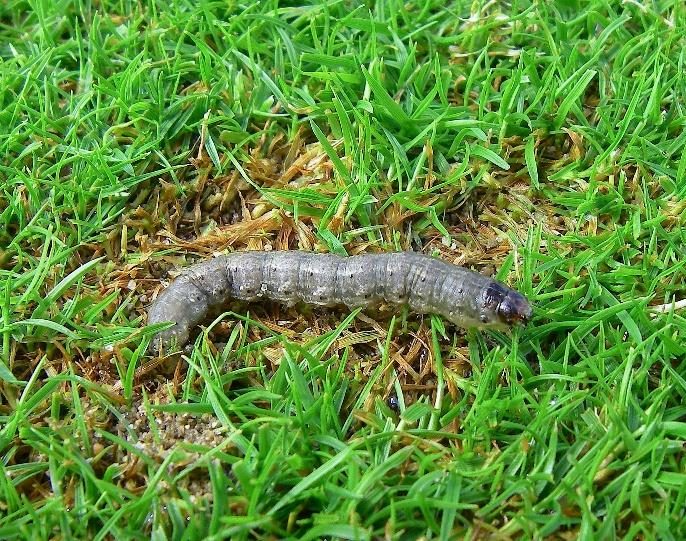
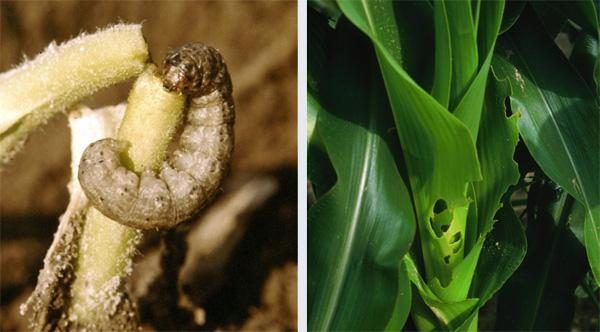
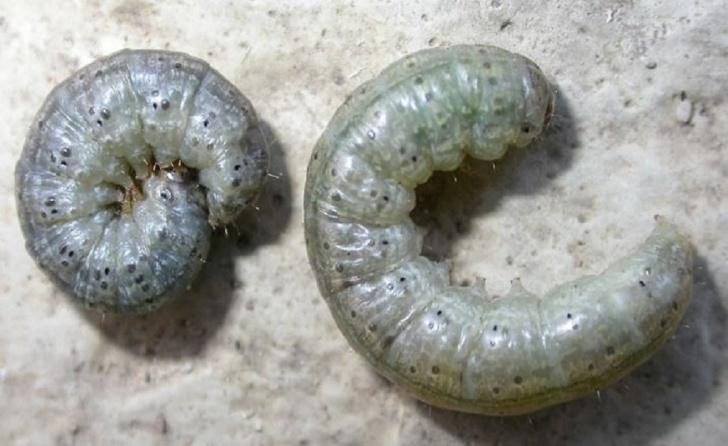
Great Western Tree Care
Turf problems are often several problems at once
A Great Western technician can confirm the diagnosis on site before anything is treated — timing matters more than product choice.