
Japanese Beetle Grubs (Turf)
Larvae of Popillia japonica
Japanese beetle grubs are root-feeding white grubs that cause severe turf damage, especially in irrigated Colorado lawns. They are similar to other white grubs but tend to be more aggressive, more numerous, and more destructive. Damage appears late summer through fall and often requires preventive treatment in areas with known infestations.
Seasonal Activity Calendar
| Stage / Damage | Type | Active Season |
|---|---|---|
| Adult beetles active | Insect | Early–Mid Summer |
| Egg-laying in turf | Insect | Mid Summer |
| Grub feeding (MAIN DAMAGE) | Insect | Late Summer–Fall |
| Overwintering larvae | Insect | Winter |
| Light spring feeding | Insect | Spring |
Symptoms (Homeowner-Friendly)
Visible Turf Damage
| Symptom | Description |
|---|---|
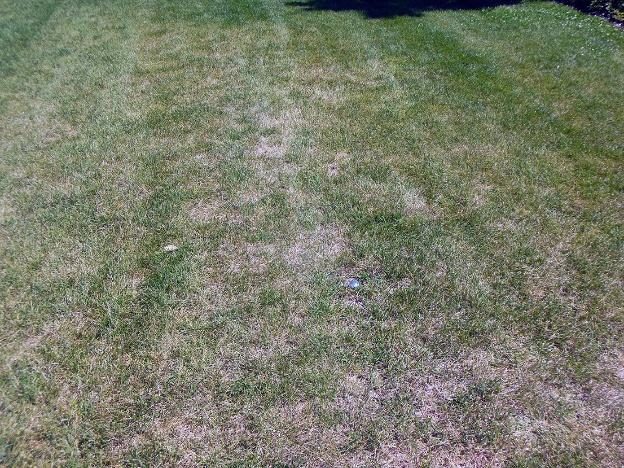
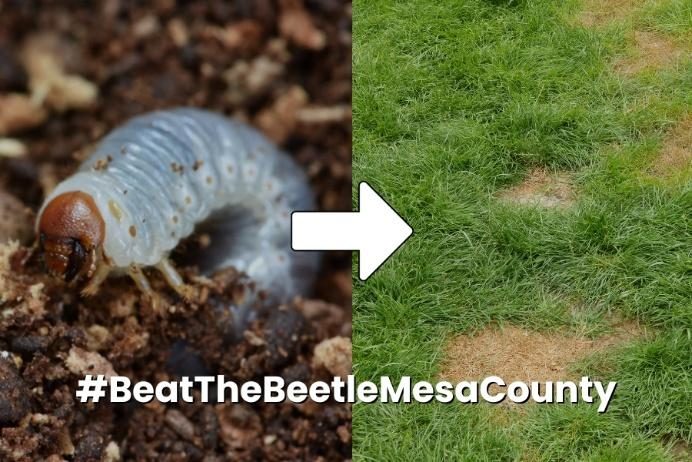
| Brown, irregular dead patches | Grass dries out and dies quickly |
| Turf pulls back easily like carpet | Roots are eaten away |
| Spongy feel underfoot | Root loss loosens the soil-turf connection |
| Increased wildlife digging | Skunks, raccoons, and birds feeding on grubs |
| Poor response to watering | Turf cannot recover because roots are gone |
What the Grubs Look Like
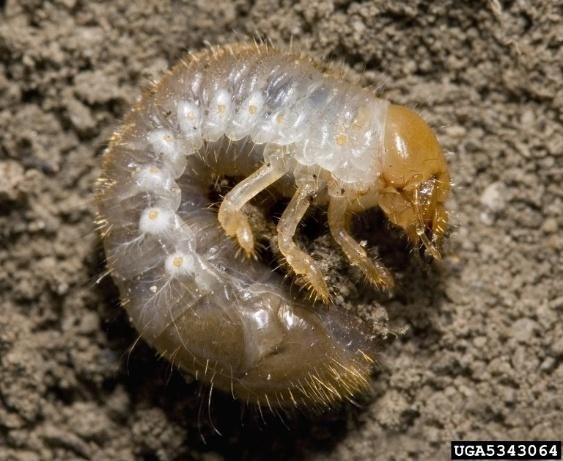
- “C-shaped” white larvae
- ¾" long when mature (larger than chafer grubs)
- Brown head capsule
- Raster pattern (hair pattern) unique to Japanese beetles
Primary Causes (Colorado Conditions)
- Irrigated lawns (beetles prefer moist soils for egg-laying)
- Dense, lush turfgrass
- Frequent watering during summer
- Shallow-rooted, stressed, or thatch-heavy lawns
- High Japanese beetle populations in many Front Range neighborhoods
Treatment & Management
1. Preventive Control (BEST METHOD)
Apply June–early July, before eggs hatch.
| Product Class | Notes |
|---|---|
| Acelepryn (chlorantraniliprole) | One of the best preventives; long-lasting, low toxicity |
| Neonicotinoids (imidacloprid, clothianidin) | Highly effective on newly hatched grubs |
| Combination grub products | Provide broad control across species |
Preventive applications stop damage before it happens.
2. Curative Treatments (For Active Grub Damage)
Use late August–October when larvae are still small enough to control.
| Product Class | Notes |
|---|---|
| Carbaryl (Sevin) | Effective, fast-acting |
| Trichlorfon | “Rescue” treatment for severe infestations |
| Must be watered in thoroughly | Needed to move product into root zone |
Curatives stop additional feeding but cannot repair dead turf.
3. Lawn Recovery After Grub Damage
- Rake out dead material
- Deep water to encourage surviving roots
- Overseed thin areas (best with tall fescue for its deeper rooting)
- Lay sod if patches are large or severely destroyed
- Add compost to help soil recovery
When to Worry vs. When It’s Cosmetic
When to Worry (action recommended)
- 5–10+ grubs per sq. ft. (treatment threshold)
- Large brown patches spreading late summer
- Turf lifts off soil easily
- Heavy wildlife digging
- Repeated infestations year after year
- Preventive treatments skipped in known high-pressure areas
These require immediate curative treatment + overseeding.
Mostly Cosmetic (monitor only)
- A few grubs found (1–3 per sq. ft.)
- No expanding patches
- Turf holds firm when pulled
- Symptoms improve with irrigation adjustments
- Grubs declining after early frost
Not all Japanese beetle grubs cause damage—only high populations lead to turf death.
Diagnostic Imagery
Turf problems are often several problems at once
A Great Western technician can confirm the diagnosis on site before anything is treated — timing matters more than product choice.