
Lawn & Turf Problem
Sod Webworms (Turf)
Larvae of lawn moths — Crambus spp., Parapediasia spp.
Sod Webworms are grass-feeding caterpillars that chew turf blades and crowns, causing patchy brown spots that worsen in hot, dry weather. Adult moths are the small tan moths that fly up when you walk across the lawn. Damage usually appears mid–summer through early fall.
Seasonal Activity Calendar
| Stage / Damage | Type | Active Season |
|---|---|---|
| Adult moth flights | Insect | Late Spring–Summer |
| Egg laying | Insect | Summer |
| Larval feeding (MOST DAMAGE) | Insect | Summer–Fall |
| Overwintering larvae | Insect | Winter |
Symptoms (Homeowner-Friendly)
Visible Damage
| Symptom | Description |
|---|---|
| Small brown patches | Turf thins or browns in hot, sunny areas |
| Chewed or ragged grass blades | Larvae feed at night and hide in thatch by day |
| Silky webbing or small tunnels | Found in thatch or upper soil layer |
| Increased bird activity | Birds pecking at lawn to eat larvae |
| Moths flying up when you walk | Adult sod webworms present |
The “Soapy Water Test” (Easy Diagnosis)
1. Mix 2 tbsp dish soap per gallon of water.
2. Pour over 1–2 square feet of lawn where damage is visible.
3. Larvae crawl to the surface within 3–5 minutes if present.
Primary Causes (Colorado Conditions)
- Heat and drought weaken turf, making damage more visible
- Excess thatch (webworms hide easily)
- Sunny, south- or west-facing lawns
- Kentucky bluegrass and ryegrass more susceptible
- Improper irrigation (too little or inconsistent watering)
Treatment & Management
1. Cultural Practices (Strengthen Turf)
| Action | Why it Helps |
|---|---|
| Maintain proper watering | Webworm damage worsens in drought |
| Raise mowing height (3–3.5") | Reduces heat stress |
| Core aeration | Reduces thatch (the habitat for larvae) |
| Overseed with tall fescue | More resistant to insect feeding |
2. Insecticide Options
Most effective when larvae are small and actively feeding (summer evenings).
| Product Class | Notes |
|---|---|
| Pyrethroids (bifenthrin, deltamethrin, lambda-cyhalothrin) | Most common & effective |
| Carbaryl (Sevin) | Works well on larger larvae |
| BT (Bacillus thuringiensis var. kurstaki) | Natural option; best on young larvae |
| Acelepryn (chlorantraniliprole) | Very effective & low toxicity |
Water lightly after treatment to push insecticide into the thatch layer where larvae live.
3. Lawn Recovery
- Water deeply to help plants rebound
- Remove loose dead material
- Light fertilization (avoid heavy summer nitrogen)
- Overseed damaged areas if thinning persists
When to Worry vs. When It’s Cosmetic
When to Worry (action recommended)
- Large brown patches expanding quickly
- 10–15 larvae found in a 1–2 sq ft soapy water test
- Lots of moths flying up when walking across the lawn
- Turf remains thin even after watering
- Repeated yearly outbreaks
- Birds shredding turf to reach larvae
These require insecticide + cultural corrections.
Mostly Cosmetic (monitor only)
- A few small brown patches
- Minimal larvae in soapy water test
- Moths present but no turf thinning
- Damage slows once weather cools
- Turf recovering with irrigation adjustments
In most cases, sod webworm damage is temporary and manageable.
Diagnostic Imagery
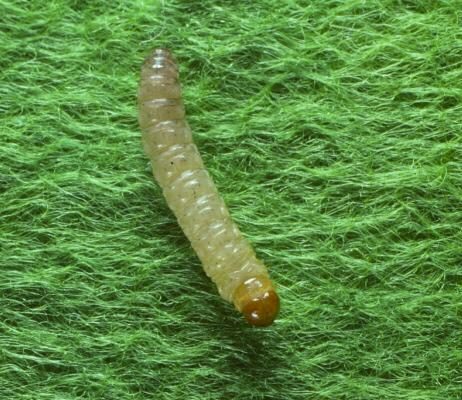
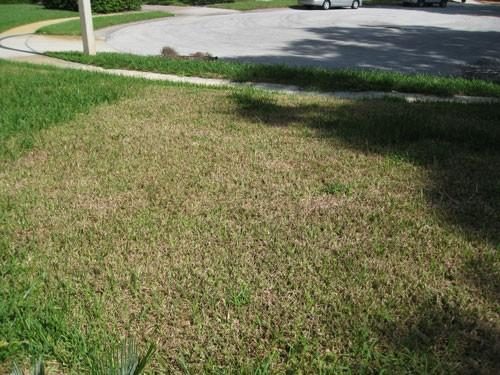
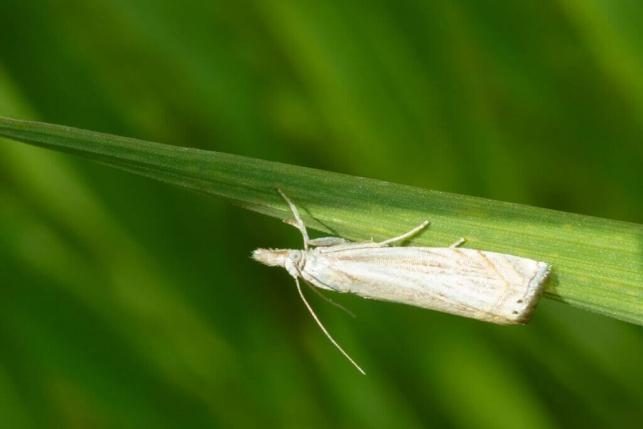
Great Western Tree Care
Turf problems are often several problems at once
A Great Western technician can confirm the diagnosis on site before anything is treated — timing matters more than product choice.