
Snow Mold
Gray Snow Mold – Typhula spp. / Pink Snow Mold – Microdochium nivale
Snow Mold is a cool-season lawn disease that appears after long snow cover, especially on north-facing lawns, shaded areas, and yards with heavy thatch. It causes matted, bleached patches in early spring. Most cases are cosmetic and recover quickly with light raking.
Seasonal Disease Activity Calendar
| Problem | Type | Active Season |
|---|---|---|
| Snow Mold (Gray & Pink) | Fungus | Winter infection; visible Early Spring |
Symptoms (Homeowner-Friendly)
Gray Snow Mold (Typhula spp.)
- Circular bleached patches 3–12 inches wide
- Matted, straw-colored grass
- Gray-white mycelium when snow first melts
- Usually appears with prolonged snow cover
- Rarely kills grass crowns
Pink Snow Mold (Microdochium nivale)
(More serious)
- Pink, copper, or reddish tint along patch edges
- Can persist without snow, in cool wet weather
- May kill crowns in severe cases
Primary Causes (Colorado Conditions)
- Early heavy snow before soil is frozen
- Tall grass going into winter
- Excessive thatch
- Poor fall cleanup (leaf debris left on lawn)
- Heavy nitrogen fertilization in late fall
- Shaded or poorly draining lawns keeping snow longer
Treatment & Management
Immediate Spring Recovery Steps
Action Why it Works
Lightly rake affected areas Breaks up matted turf for airflow and regrowth
Action Why it Works
Allow lawn to dry before walking on it Prevents further crown damage Resume normal watering Helps new shoots grow through damaged tissue Mow once growth resumes speeds cosmetic recovery Most lawns recover in 2–4 weeks.
Prevention Practices (Most Important)
| Practice | Benefit |
|---|---|
| Mow as late as possible before first snow (2.5–3”) | Reduces matting under snow |
| Remove leaves before winter | Trapped moisture promotes fungal growth |
| Avoid heavy nitrogen after October 15 | Encourages lush late growth prone to infection |
| Core aerate in fall | Reduces thatch & improves drainage |
| Improve airflow and reduce shade if possible | Snow melts faster; lawn stays drier |
Fungicides (Optional & Preventive Only)
For high-value or historically affected lawns
Fungicide Classes Notes
DMI fungicides (propiconazole, myclobutanil) Applied late fall before snow cover QoI fungicides (azoxystrobin) Often used in mix for broad protection Chlorothalonil Common for pink snow mold prevention Fungicides must be applied before winter, not in spring.
When to Worry vs. When It’s Cosmetic
When to Worry (action recommended)
- Patches remain dead or brown 4–6 weeks into spring
- Pink Snow Mold covering large areas
- Grass crowns are brown/mushy and do not regrow
- Lawn had heavy leaf debris under snow
- Snow lingered in deep shade for months
- Repeated yearly outbreaks
Severe cases may require overseeding or slit-seeding in late spring.
Mostly Cosmetic (monitor only)
- Light bleaching or matting after snow melt
- Patches greening up within 1–3 weeks
- No pink coloration or crown damage
- Scattered small circles, not expanding
- Turf otherwise looks healthy
In most Colorado lawns, Snow Mold is mild and temporary.
Diagnostic Imagery
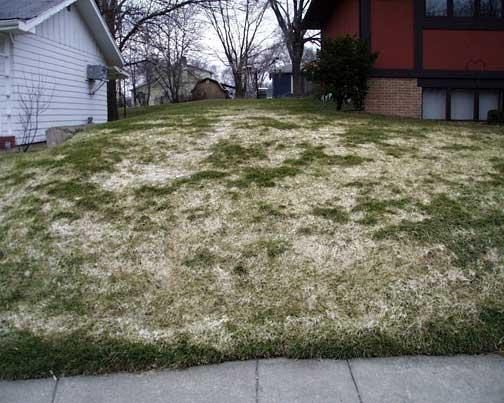
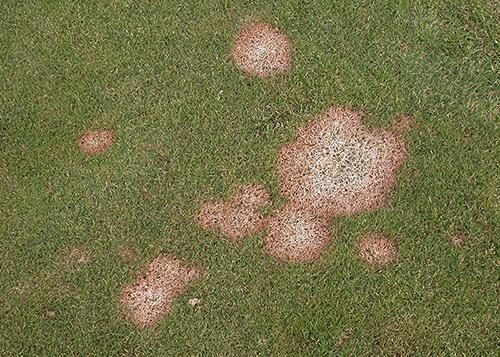
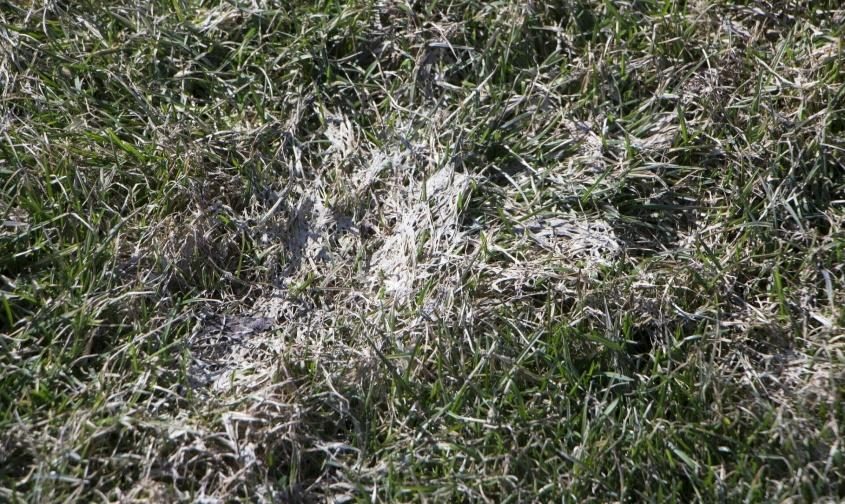
Turf problems are often several problems at once
A Great Western technician can confirm the diagnosis on site before anything is treated — timing matters more than product choice.