
Heat Stress (Turfgrass)
Abiotic / Environmental — NOT a fungus
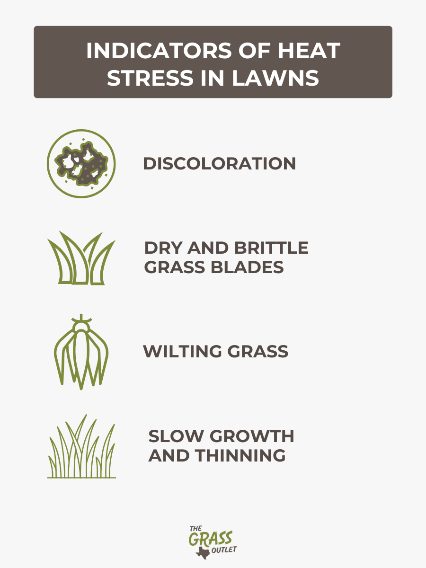
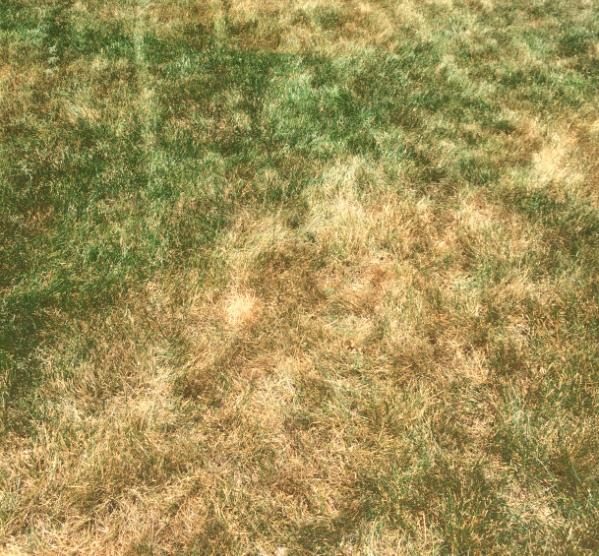
Heat Stress occurs when turfgrass experiences prolonged high temperatures, intense sun, dry soils, or shallow rooting, causing wilting, browning, and thinning. It is extremely common in Colorado during mid-summer, especially on south- and west-facing lawns, slopes, and compacted soils.
Seasonal Activity Calendar
| Problem | Type | Active Season |
|---|---|---|
| Heat Stress | Abiotic (environmental) | Summer (peak) |
Symptoms (Homeowner-Friendly)
| Symptom | Description |
|---|---|
| Footprint test | Footprints remain visible after walking across lawn (grass unable to rebound) |
| Purplish/blue-gray color | Early sign of dehydration |
| Wilting & folding leaves | Grass curls inward to conserve moisture |
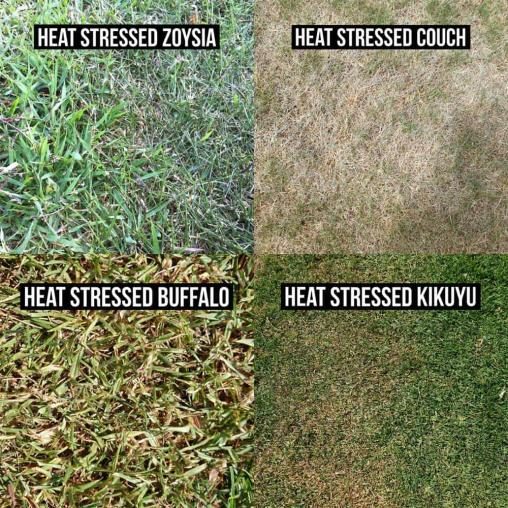
| Brown or tan patches | Especially on hot slopes, edges, and full-sun areas |
| Slow recovery after watering | Soil is too hot or roots too shallow to absorb water efficiently |
| Soil feels hot & dry | Even after irrigation |
Key distinction: Heat stress looks like drought — but may continue even with irrigation if the soil is compacted or roots are shallow.
Primary Causes (Colorado Conditions)
- 90–100°F+ temperatures
- High UV & low humidity (evaporation exceeds irrigation)
- Shallow or weak root systems
- Compacted clay soils
- Daily light watering instead of deep watering
- Heat radiating from sidewalks, driveways, and south/west exposures
- Slopes where water runs off instead of soaking in
Treatment & Management
1. Watering Adjustments (Most Critical)
| Action | Why it Helps |
|---|---|
| Deep, infrequent watering (2–3 days per week) | Encourages deep rooting & reduces stress |
| Cycle-and-soak method | Prevents runoff and ensures full soil saturation |
| Water between 4–9 AM | Reduces evaporation; prevents fungal risk |
| Extra water on heatwave days | Helps turf survive extreme conditions |
2. Improve Turf Resilience
| Practice | Benefit |
|---|---|
| Raise mowing height to 3–3.5" | Taller grass shades soil & protects roots |
| Avoid mowing during heatwaves | Reduces shock & water loss |
| Maintain sharp mower blades | Clean cuts slow moisture loss |
| Fall fertilization | Builds deeper roots for next summer |
3. Soil Improvement
| Action | Benefit |
|---|---|
| Core aeration (spring/fall) | Reduces compaction so water can penetrate |
| Topdress with compost | Improves water retention & soil cooling |
| Check irrigation coverage | Fix dry spots caused by sprinkler gaps |
4. Grass-Type Considerations
- Kentucky bluegrass suffers most in heat.
- Tall fescue stays green longer and handles heat better → good for overseeding stressed lawns.
When to Worry vs. When It’s Cosmetic
When to Worry (action recommended)
- Lawn stays brown even after deep watering
- Grass blades feel crispy and crowns appear white/tan
- Soil is hot, compacted, or water-repellent (hydrophobic)
- Bare patches form on slopes or sun-exposed corners
- Repeated heat stress year after year (root failure)
- Sprinklers cannot keep up due to evaporation
These areas may require soil correction, overseeding with tall fescue, or irrigation redesign.
Mostly Cosmetic (monitor only)
- Slight wilting during afternoon heat
- Temporary bluish/purplish cast
- Evening or next-morning recovery after watering
- Mild browning at edges or near pavement
- Patchy discoloration during extreme heatwaves
Most lawns rebound quickly once temperatures drop and watering is optimized.
Diagnostic Imagery
Turf problems are often several problems at once
A Great Western technician can confirm the diagnosis on site before anything is treated — timing matters more than product choice.