
White Grubs (Turf)
Larvae of June beetles, masked chafers, Japanese beetles, and related scarab beetles
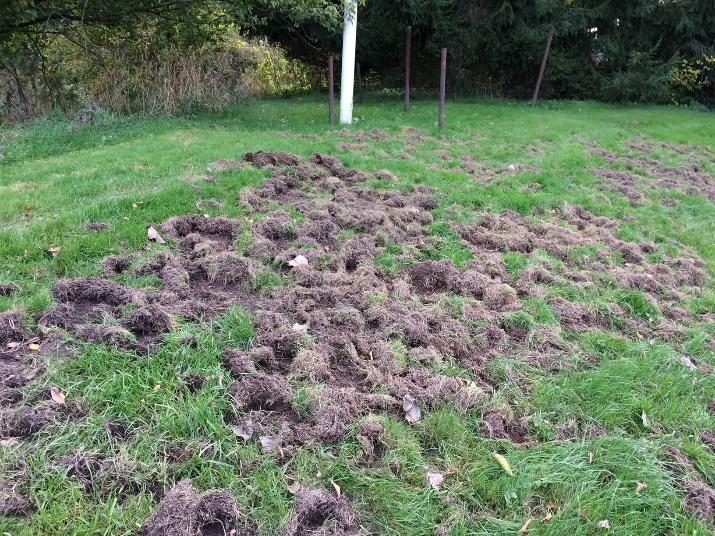
White grubs are root-feeding beetle larvae that damage lawns by chewing through the turf’s root system. This causes large brown patches, spongy turf, and easy peel-back of sod. Grub damage typically appears late summer through fall, but the insects develop underground year-round.
Seasonal Activity Calendar
| Stage / Damage | Type | Active Season |
|---|---|---|
| Adult beetle emergence | Insect | Early–Mid Summer |
| Egg-laying in soil | Insect | Mid–Late Summer |
| Larval feeding (MAIN DAMAGE) | Insect | Late Summer–Fall |
| Overwintering larvae | Insect | Winter |
| Spring feeding (lighter) | Insect | Spring |
Symptoms (Homeowner-Friendly)
Visible Signs
| Symptom | Description |
|---|---|
| Brown, irregular patches | Turf dries and dies due to root loss |
| Turf peels back like a carpet | The BEST diagnostic test—roots are gone |
| Spongy or loose-feeling turf | Indicates root chewing beneath surface |
| Animals digging | Skunks, raccoons, and birds tear up lawn to eat grubs |
| Poor recovery even with watering | Water cannot help once roots are gone |
Grub Appearance
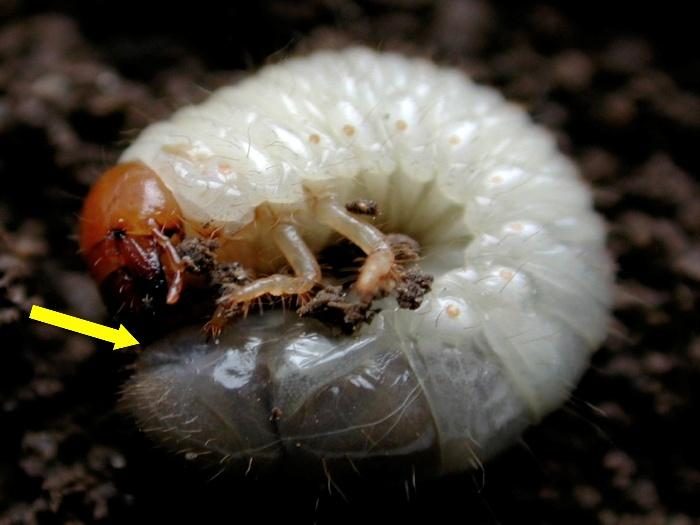
- C-shaped, white to cream-colored larvae
- Brown head
- 3 pairs of legs near the head
- Size: ½–1¼ inches depending on species and age
Primary Causes (Colorado Conditions)
- Over-irrigation (beetles prefer moist soil for egg-laying)
- Thatch layers >½ inch
- Lawns with poor soil and shallow rooting
- Heat and drought stress increasing turf vulnerability
- High Japanese beetle populations in Front Range communities
Treatment & Management
1. Preventive Control (MOST EFFECTIVE)
Apply June–mid July before grubs hatch.
Product Class How it Works
Chlorantraniliprole (Acelepryn) Excellent long residual, very safe; best preventive Neonicotinoids (imidacloprid, clothianidin) Highly effective when applied before egg hatch Combination products Target multiple life stages Preventive treatments stop grubs before they damage roots.
2. Curative Control (For Active Grub Damage)
Use late August–October when larvae are present and feeding.
| Product Class | Notes |
|---|---|
| Carbaryl (Sevin) | Traditional curative, effective on larger larvae |
| Trichlorfon | Fast-acting rescue treatment |
| Water in thoroughly | Required to move product into root zone |
Curative treatments cannot repair existing dead patches—they only stop further feeding.
3. Lawn Recovery After Grub Damage
- Water deeply to help surviving roots recover
- Rake out loose, dead turf
- Overseed or sod damaged areas (tall fescue recommended for durability)
- Add compost to rebuild soil health
When to Worry vs. When It’s Cosmetic
When to Worry (action recommended)
- Turf lifts easily with little or no roots attached
- Brown patches expand rapidly in late summer
- You find 5–10+ grubs per square foot (threshold for treatment)
- Wildlife digging increases suddenly
- Preventive treatments were skipped in an area with known beetle pressure
These situations require immediate curative treatment + overseeding.
Mostly Cosmetic (monitor only)
- 1–3 grubs per square foot (normal background level)
- Small brown patches that do not expand
- No turf loosening or peel-back
- Turf recovers naturally once weather cools
- Minimal animal activity
Not all grubs require treatment—only high populations cause noticeable lawn injury.
Diagnostic Imagery
Turf problems are often several problems at once
A Great Western technician can confirm the diagnosis on site before anything is treated — timing matters more than product choice.