
Common Lilac
Syringa vulgaris
Common lilac thrives in Colorado's climate, handling cold winters and dry air with ease. Known for its fragrant spring blooms and long lifespan, it's a dependable, low-maintenance shrub that adds classic color and character to Front Range landscapes.
Quick specifications
- Mature Size
- 8–15 ft tall | 6–12 ft wide
- Growth Rate
- Moderate
- Form
- Upright, multi-stem shrub
- Sun
- Full sun required for best flowering
- Water
- Avoid overwatering; prefers well-drained soils
- Soil
- Thrives in alkaline soils common to the region
- Bloom
- Purple, lavender, white (spring)
- Fragrance
- Strong, classic lilac scent
- Lifespan
- 50+ years under Front Range conditions
- Hardiness
- Excellent cold hardiness for Front Range winters
- Native Status
- Non-native
Overview
Common lilac is an upright, multi-stem shrub with a moderate growth rate and a strong, classic fragrance.
In Colorado, lilacs thrive in full sun, good air circulation, and well-drained soils. Most issues are seasonal and manageable with proper pruning, sanitation, and stress reduction.
Identification
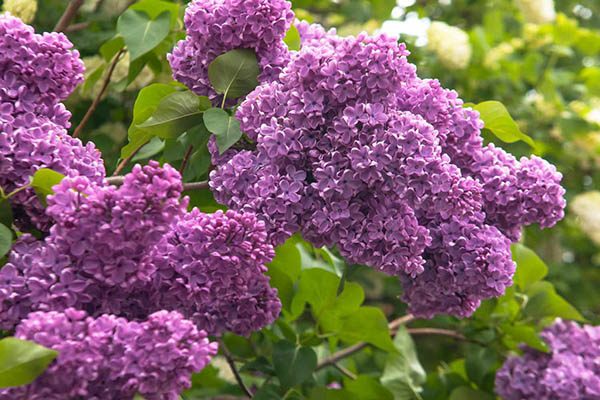
Flower
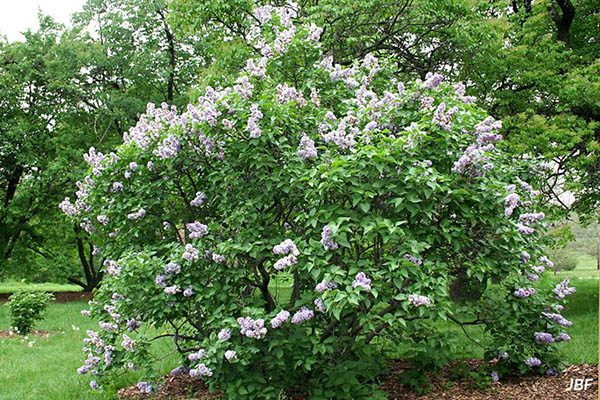
Mature form
Colorado Suitability
Excellent cold hardiness for Front Range winters.
Thrives in alkaline soils common to the region.
Reliable spring flowering with minimal inputs.
Long-lived shrub with historic performance in Colorado.
Planting Considerations
- Full sun required for best flowering.
- Good airflow reduces disease pressure.
- Avoid overwatering; prefers well-drained soils.
Care
- Rake and remove fallen leaves in fall, water before the ground freezes, and continue winter watering during dry, warm spells.
- Avoid nitrogen fertilization in mid to late summer.
Pruning
- Prune immediately after flowering. Pruning in summer removes next year's blooms.
- Remove older stems periodically to maintain vigor.
- Avoid pruning when foliage is wet, which spreads bacterial blight.
Best Use Scenarios
- Informal hedges and screens
- Large shrub borders
- Traditional landscapes and heritage plantings
- Sites prioritizing fragrance and spring bloom
Common Problems
- Powdery mildew in shaded or crowded sites (mid summer–fall).
- Lilac/ash borer in stressed plants (late spring–early summer).
- Lilac leafminer (spring–summer) and bacterial blight (early spring).
- Reduced flowering in low-light conditions.
Related Pests
Related Diseases
Related Shrubs
Related Services
When you want a professional opinion
The Root exists to help you understand your landscape. When a tree needs hands-on evaluation, a Great Western arborist can look at it in person.