
Panicle Hydrangea
Hydrangea paniculata
Panicle hydrangea is one of the most reliable hydrangeas for Colorado, thanks to its strong cold hardiness and tolerance for full sun. With large, long-lasting summer blooms and low maintenance needs, it brings bold seasonal color and structure to Front Range landscapes.
Quick specifications
- Mature Size
- 6–10 ft tall | 6–10 ft wide (varies by cultivar)
- Growth Rate
- Moderate
- Form
- Upright to rounded deciduous shrub
- Sun
- Full sun to partial shade (afternoon shade helpful in hot sites)
- Water
- Requires consistent moisture during establishment
- Soil
- Tolerates alkaline soils better than other hydrangeas
- Bloom
- White aging to pink (mid–late summer); large cone-shaped panicles
- Lifespan
- 40+ years with proper care
- Hardiness
- Most cold-hardy hydrangea type for Colorado
- Native Status
- Non-native
Overview
Panicle hydrangea is an upright to rounded deciduous shrub with a moderate growth rate and large, cone-shaped flower panicles.
It carries strong late-summer color at a point in the season when few shrubs are blooming.
Identification
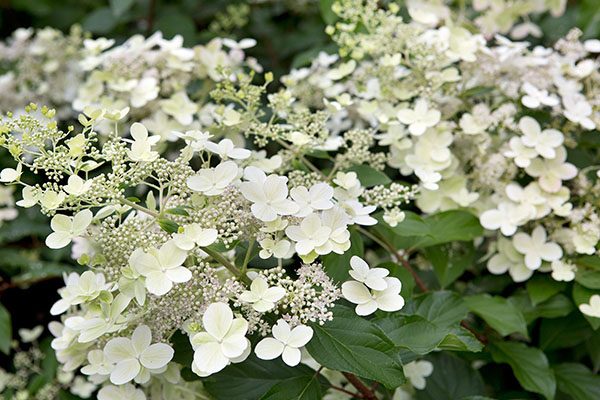
Flower
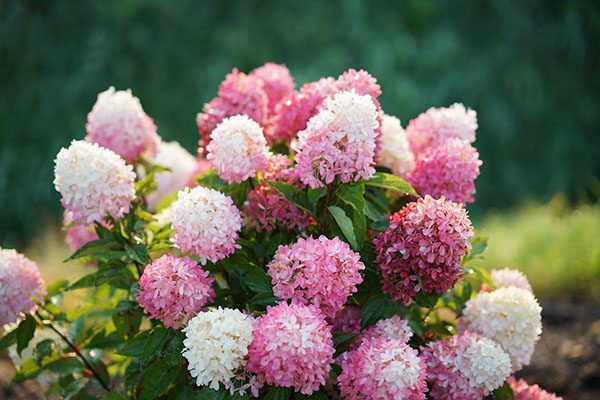
Mature form
Colorado Suitability
Most cold-hardy hydrangea type for Colorado.
Blooms on new wood — reliable flowering after winter.
Tolerates alkaline soils better than other hydrangeas.
Strong late-summer color when few shrubs are blooming.
Planting Considerations
- Full sun to partial shade; afternoon shade helps in hot sites.
- Requires consistent moisture during establishment.
- Mulch helps conserve soil moisture and protect roots.
Pruning
- Prune in late winter or early spring if size control is needed.
Best Use Scenarios
- Foundation and mixed shrub borders
- Accent shrub with late-season interest
- Residential landscapes needing summer bloom
- Sites with supplemental irrigation
Common Problems
- Leaf scorch during extreme heat or drought.
- Flopping branches on some cultivars without pruning.
- Generally very low pest and disease pressure.
Related Shrubs
Related Services
When you want a professional opinion
The Root exists to help you understand your landscape. When a tree needs hands-on evaluation, a Great Western arborist can look at it in person.