Plant Health Profile
Burning Bush
Euonymus alatus
Burning bush is a dense, deciduous shrub valued for bright fall color and hedge screening. In Colorado it’s generally tough, but drought stress and dense growth can allow mites, scale insects, and foliar diseases to develop.
Seasonal Pest & Disease Calendar
- Small white “oyster-shell” scales on stems (often underside)
- Prune out heavily infested twigs/branches where practical
- Best spray timing is the crawler stage (late spring/early summer)
- Dormant horticultural oil can help where scale is a known issue (follow label directions)
- Fine yellow stippling; foliage looks dusty/bronzed
- Sometimes light webbing during hot weather
- Hose foliage (especially undersides) during heat; reduce drought stress
- Avoid broad-spectrum insecticides that can flare mites
- Miticides only if severe and spreading (treat early)
- White/gray powdery coating on leaves (often mid–late summer)
- Improve airflow and sun exposure; thin lightly if crowded
- Avoid excess nitrogen (lush growth worsens mildew)
- Fungicides optional—often cosmetic on established shrubs
- Brown/black spots that may merge into blotches
- Premature leaf drop late season
- Rake/remove fallen leaves; avoid overhead watering
- Thin lightly for airflow
- Fungicides rarely needed for homeowners
- Dead tips/branches in spring; delayed leaf-out
- Worse on exposed windy sites and dry winters
- Winter watering during warm/dry spells
- Mulch 2–3" (keep off stems)
- Spring prune back to healthy wood
- Prune out winter dieback
- Inspect stems for scale bumps
- Watch for scale crawler activity starting late spring
- Check for aphids on soft new growth
- Treat scale during crawler stage if needed
- Begin mite scouting as heat ramps up
- Spider mites + powdery mildew + leaf spots
- Treat mites early if stippling is spreading
- Fungicides only if appearance matters
- Rake leaves (biggest disease reducer)
- Water before ground freezes
- Winter watering during warm, dry stretches
- No pesticide treatments needed
- Heavy scale causing decline/dieback
- Repeated severe mite bronzing/leaf drop
- Major thinning/loss of vigor year over year
- Light aphids
- Mild powdery mildew late summer
- Minor late-season leaf spotting
| Problem | Type | Active Season |
|---|---|---|
| Euonymus scale (Unaspis euonymi) | Insect | Spring–Summer (crawlers late spring) |
| Spider mites | Mite | Summer (hot/dry) |
| Aphids (occasional) | Insect | Spring–Early Summer |
| Powdery mildew | Fungus | Summer–Fall |
| Leaf spot / blight | Fungus | Summer–Fall |
| Winter dieback / burn | Environmental | Winter–Early Spring |
| Pest & Disease Guide (Homeowner-Friendly) | ||
| 1. Euonymus Scale (Unaspis euonymi) | ||
| Symptoms: | ||
| Yellowing foliage, reduced vigor; | dieback in heavy infestations | |
| Treatment: | ||
| 2. Spider Mites | ||
| Symptoms: | ||
| Treatment: | ||
| 3. Powdery Mildew | ||
| Symptoms: | ||
| Treatment: | ||
| 4. Leaf Spot / Foliar Blight | ||
| Symptoms: | ||
| Treatment: | ||
| 5. Winter Dieback / Winter Burn | ||
| Symptoms: | ||
| Treatment: | ||
| Treatment Timing Calendar | – Burning Bush (Colorado | Front Range) |
| Icons: Scout | Prune | | Water | Treat | Sanitation | |
| March–Early April ( ) | ||
| Late April–May ( ) | ||
| Late May–June ( ) | ||
| July–August ( ) | ||
| September–October ( ) | ||
| Winter ( ) | ||
| ________________________________________ | ||
| When to Worry vs. When | It’s Cosmetic | |
| When to Worry (Action Needed) | ||
| Mostly Cosmetic (Monitor Only) |
Diagnostic Imagery
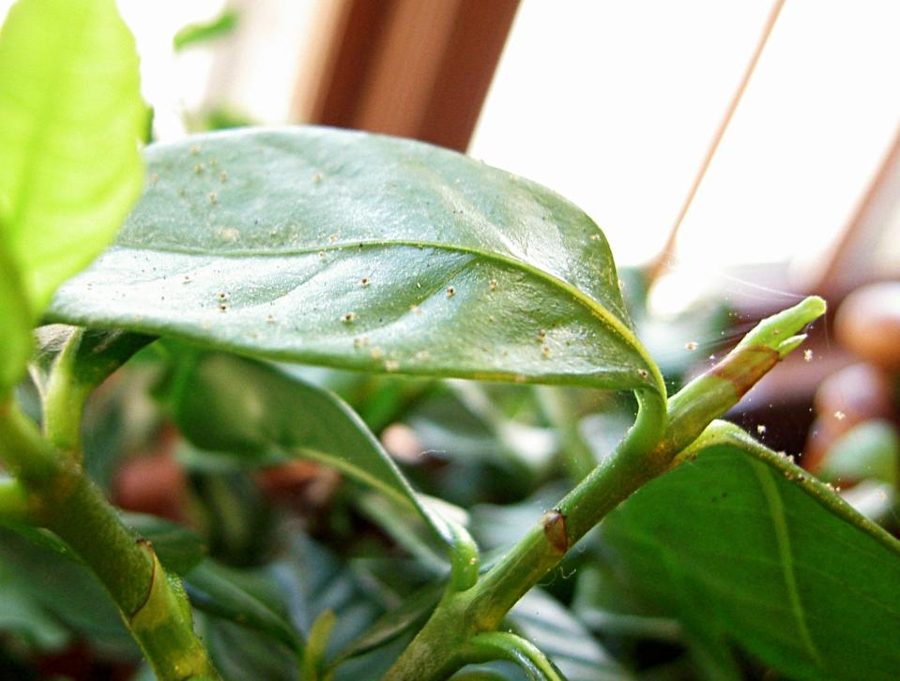
Euonymus Scale (Unaspis euonymi)
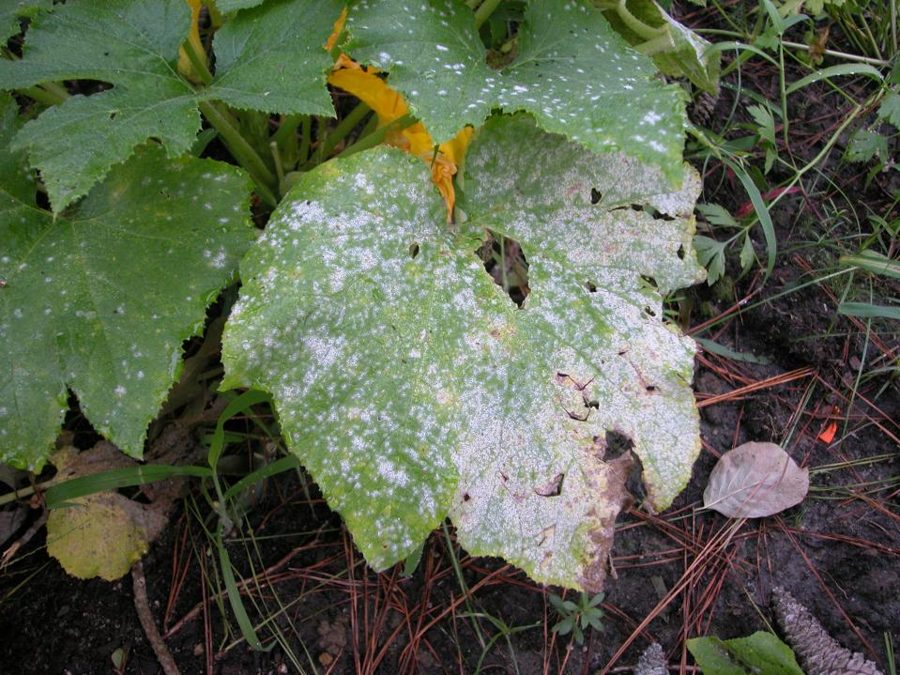
Spider Mites
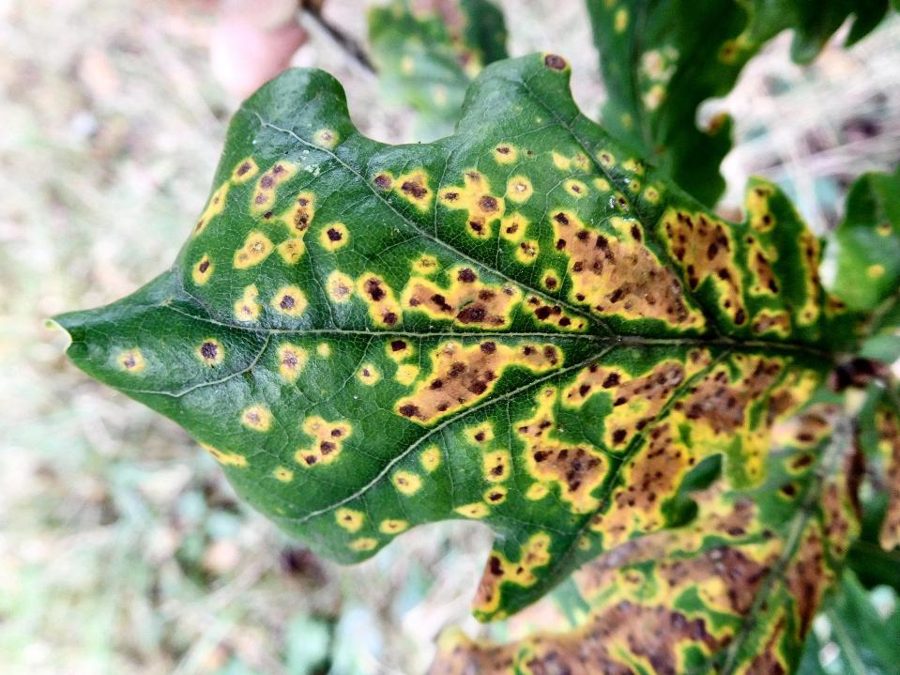
Leaf Spot / Foliar Blight
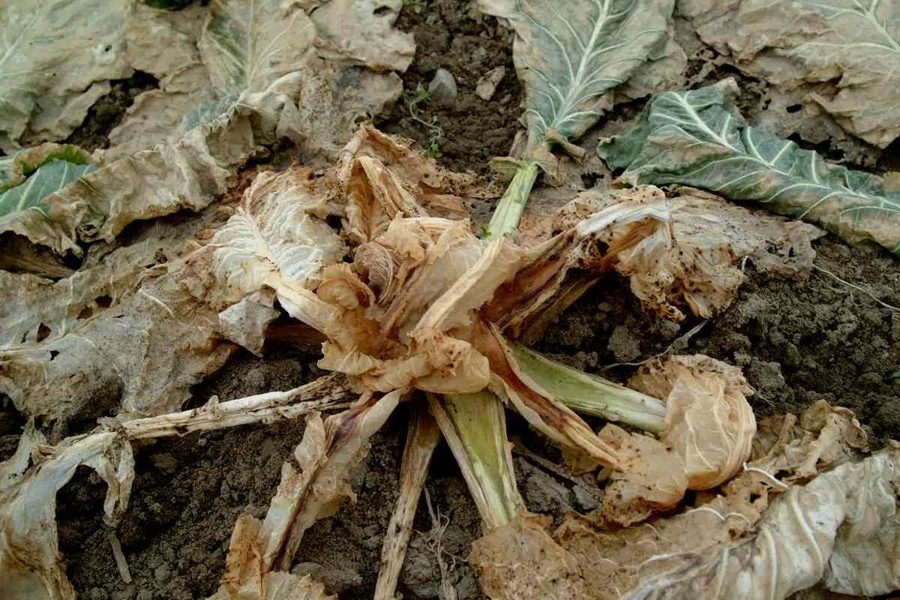
Leaf Spot / Foliar Blight
Other plant health profiles
Related services
Great Western Tree Care
Shrub decline is usually a site problem
A Great Western technician can confirm the diagnosis on site before anything is treated — timing matters more than product choice.