
Arctic Willow
Salix purpurea ‘Nana’ and related dwarf willows
Arctic willow problems in Colorado landscapes: identify aphids, willow leaf beetle, scale, canker and leaf spot, and see when to treat dwarf willows on the Front Range.
Plant Health Care Technician Manual
Field Reference | Training Manual | PHC Program Guide Arctic willow is a compact, fine-textured willow shrub used in mass plantings, low hedges, and borders. In Colorado it’s generally tough, but it can decline when drought-stressed or when growth is dense and airflow is poor—conditions that favor sap-feeding insects, leaf beetles, mites, and leaf spot diseases.
PLANT IDENTIFICATION (TECH CONFIRMATION)
Key identification traits
- Mature size: typically 2–4 ft tall and wide (dwarf, mounded habit)
- Leaves: narrow, willow-like leaves; blue-green to gray-green
- Stems: many thin stems from the base; good regrowth after pruning
- Site preference: full sun; best in well-drained soils (avoid chronic saturation)
Plant Identification Photos
Seasonal Pest & Disease Calendar
- Soft-bodied insects clustered on stems or leaf undersides
- Sticky honeydew (often ants present); possible sooty mold
- Leaf curl and weak, distorted new growth in heavy infestations
- Strong water spray can knock aphids off; repeat as needed
- Avoid excess nitrogen (lush growth fuels aphids)
- Insecticidal soap or horticultural oil if populations are building and distortion is increasing
- Leaf edges chewed; heavy feeding can thin the canopy
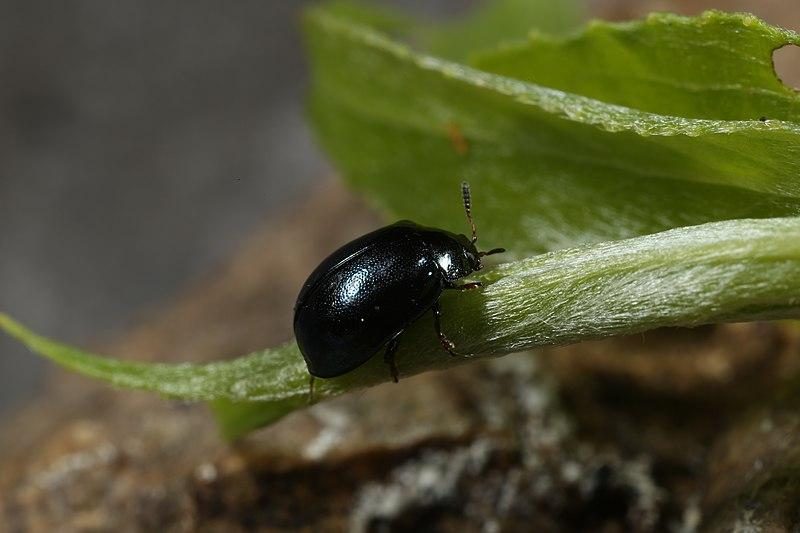
- Adults and/or larvae may be visible on foliage
- Hand-pick on small shrubs; prune out heavily infested shoots
- Encourage plant vigor (water during heat, avoid drought stress)
- Treat early if defoliation is progressing (contact insecticide per label or professional treatment)
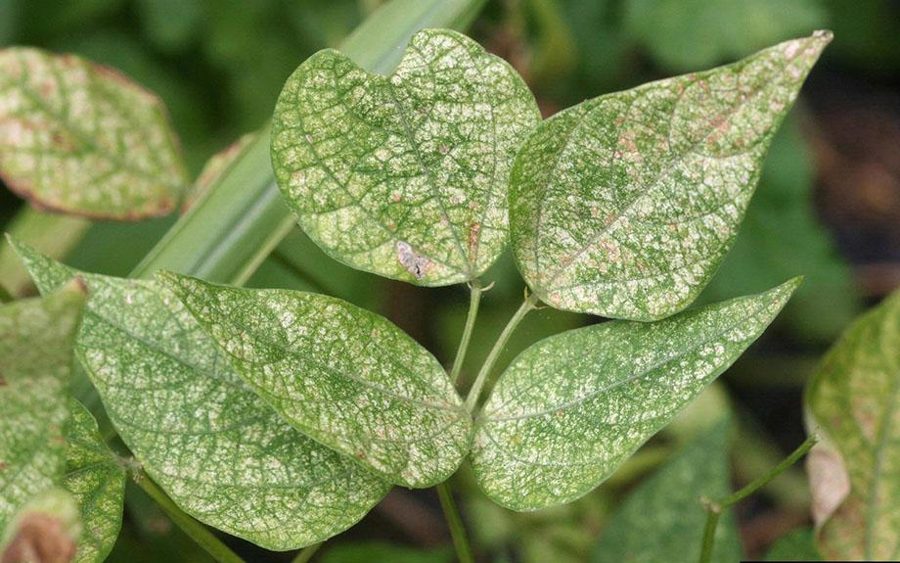
- Fine stippling (tiny pale specks) and overall bronzing/dulling
- Leaf undersides may show mites/webbing in hot weather
- Damage is worst during hot, dry periods
- Rinse foliage—especially leaf undersides—during heat; reduce drought stress
- Miticides only if damage is spreading and populations are confirmed
- Dark brown/black spots that may have yellow halos
- Spots may merge into blotches; premature leaf drop late season
- Usually starts on lower/inner foliage where humidity stays higher
- Rake/remove fallen leaves; avoid overhead watering
- Thin lightly for airflow and faster leaf drying
- Fungicides/bactericides rarely needed for homeowners unless repeat severe defoliation occurs
- Sunken or discolored bark on stems; cracking or oozing may occur
- Progressive dieback of shoots/branches, often after stress (drought, winter injury)
- Prune out infected/dying stems several inches below visible symptoms (dispose of debris)
- Disinfect tools between cuts when dieback is active
- Correct stress drivers: improve watering, mulch, and avoid chronic crowding
- Dead tips/branches in spring; delayed or uneven leaf-out
- Worse on exposed, windy sites and during dry winters
- Desiccated buds and twig dieback most noticeable after snowmelt
- Winter watering during warm/dry spells (when soil isn’t frozen)
- Spring prune back to healthy wood once buds break
- Prune out winter dieback; thin lightly to open the canopy
- Inspect stems for aphids as buds break
- Scout for aphids on new growth and for early leaf beetle feeding
- Treat aphids only if distortion/honeydew is building
- Treat leaf beetles early if defoliation is increasing
- Monitor for spider mites during heat; look for stippling/bronzing
- Maintain even soil moisture; avoid drought stress
- Treat mites early if confirmed and spreading
- Rake/remove leaves (biggest disease reducer)
- Deep watering before soil freeze
- Remove obviously dead/cankered stems if easy to identify
- Winter watering during warm spells on dry sites
- No pesticide treatments needed
- Repeated heavy defoliation from leaf beetles (thinning year over year)
- Severe mite bronzing with premature leaf drop spreading through the planting
- Canker/dieback expanding beyond a few stems or recurring annually
- Light aphids without major distortion
- Minor late-season leaf spotting with normal fall drop
- Small amounts of tip dieback after a harsh winter (prune and recover)
| Problem | Type | Active Season |
|---|---|---|
| Aphids | Insect | Spring–Early Summer |
| Willow leaf beetle | Insect | Late Spring–Summer |
| Spider mites | Mite | Summer (hot/dry) |
| Leaf spot / blight | Fungus/Bacteria | Summer–Fall |
| Canker / shoot dieback | Fungus | Spring–Fall (stress-related) |
| Winter dieback / burn | Environmental | Winter–Early Spring |
| Pest & Disease Guide (Homeowner-Friendly) | ||
| 1. Aphids | ||
| Symptoms: | ||
| Treatment: | ||
| 2. Willow Leaf Beetle (Plagiodera | versicolora) | |
| Symptoms: | ||
| Shot-hole feeding or skeletonized | leaves | |
| Treatment: | ||
| 3. Spider Mites | ||
| Symptoms: | ||
| Treatment: | ||
| Avoid broad-spectrum insecticides | that flare mites by killing predators | |
| 4. Leaf Spot / Foliar Blight (often | bacterial or fungal) | |
| Symptoms: | ||
| Treatment: | ||
| 5. Canker / Shoot Dieback | ||
| Symptoms: | ||
| Dead stems may remain leafless | while the rest of plant leafs | out |
| Treatment: | ||
| 6. Winter Dieback / Winter Burn | ||
| Symptoms: | ||
| Treatment: | ||
| Mulch 2–3 inches (keep off | stems) to moderate soil moisture/temps | |
| Treatment Timing Calendar – Arctic | Willow (Colorado Front Range) | |
| Icons: Scout | Prune | | Water | Treat | Sanitation | |
| March–Early April ( ) | ||
| Late April–June ( ) | ||
| July–August ( ) | ||
| September–October ( ) | ||
| Winter ( ) | ||
| When to Worry vs. When It’s Cosmetic | ||
| When to Worry (Action Needed) | ||
| Mostly Cosmetic (Monitor Only) |
Diagnostic Imagery
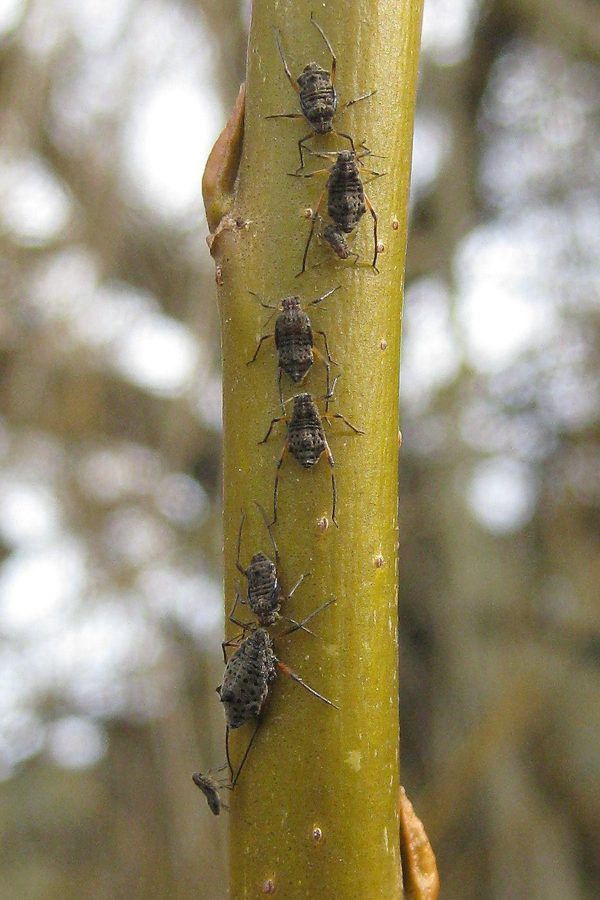
Aphids
Aphids
Willow Leaf Beetle (Plagiodera versicolora)
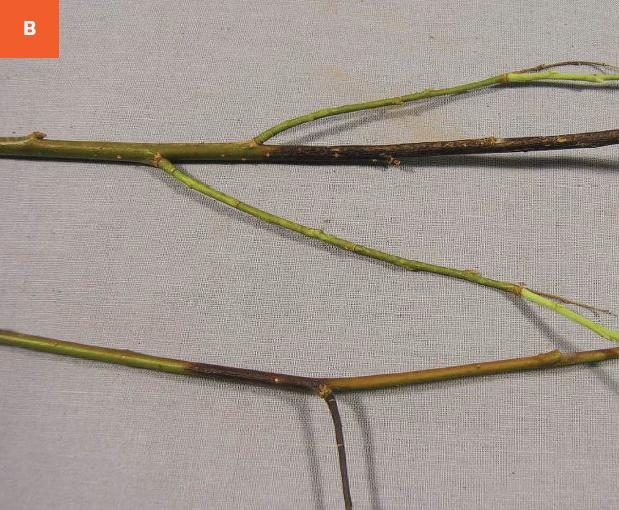
Leaf Spot / Foliar Blight (often bacterial or fungal)
Other plant health profiles
Related services
Shrub decline is usually a site problem
A Great Western technician can confirm the diagnosis on site before anything is treated — timing matters more than product choice.