Plant Health Profile
Arborvitae
Thuja occidentalis, Thuja plicata — American & Western Arborvitae
Arborvitae are popular evergreen screens in Colorado but are highly sensitive to drought, winter burn, hot sun exposure, and spider mites. Most issues trace back to water stress, root problems, or environmental extremes, rather than insects.
Seasonal Pest & Disease Calendar
| Problem | Type | Active Season |
|---|---|---|
| Winter burn / desiccation | Environmental | Winter–Early Spring |
| Spider mites | Mites | Summer–Fall |
| Bagworms (rare in CO but possible) | Insect | Summer |
| Cercospora blight | Fungus | Summer–Fall |
| Phytophthora root rot | Fungus (soilborne) | Year-round in wet soils |
| Tip blight / dieback | Environmental/fungal | Year-round |
Pest & Disease Guide (Homeowner-Friendly)
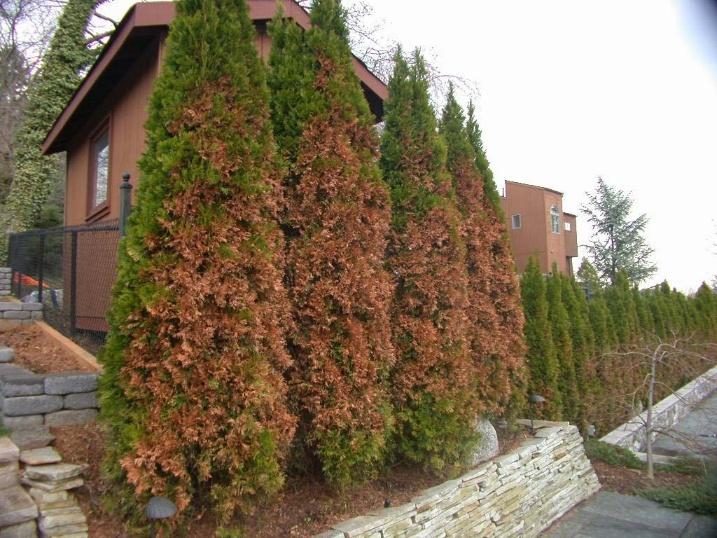
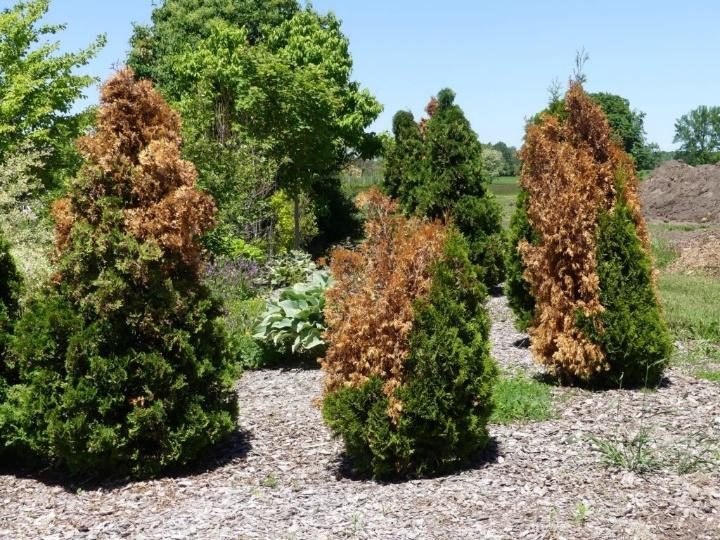
1. Winter Burn / Desiccation (MOST COMMON IN COLORADO)
Symptoms
- Orange or bronze foliage
- Brown tips on the south/west side
- Entire columns may partially brown in dry winters
Treatment
- Water every 4–6 weeks in dry winters
- Mulch 2–3" around the base
- Avoid late-season fertilization
- Prune dead tips in spring
2. Spider Mites
Symptoms
- Fine stippling or yellowing foliage
- Inner branches turn dull or dusty
- Webbing may be present in bad infestations
Treatment
- Hose down foliage to dislodge mites
- Apply miticides in severe cases (summer)
- Maintain consistent watering to reduce drought stress
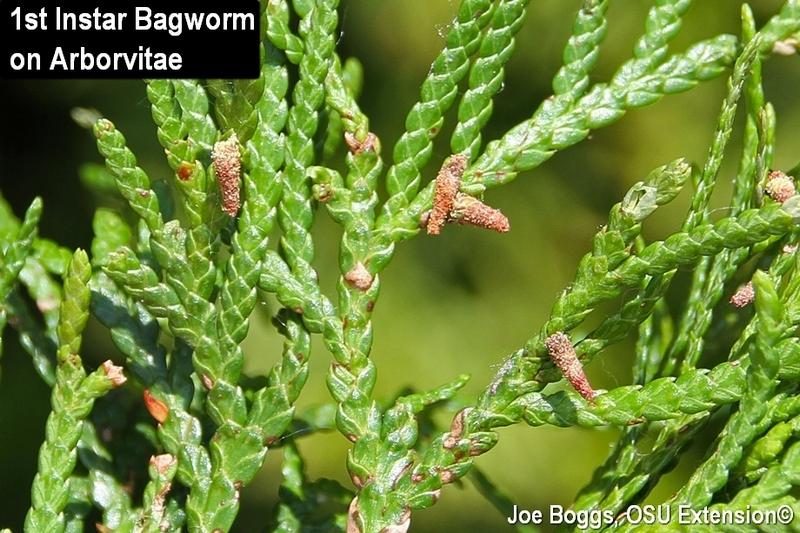
3. Bagworms (Uncommon but Serious)
Symptoms
- Small hanging “bags” made of foliage
- Defoliated patches
- Rapid browning of entire branches
Treatment
- Hand-pick all bags in winter/spring
- Use Bt (Bacillus thuringiensis kurstaki) in June on young larvae
- Pyrethroids for later-stage larvae
4. Cercospora Blight
Symptoms
- Interior foliage browns first
- Thinning from the inside outward
- Often confused with drought stress
Treatment
- Increase air circulation (prune adjacent plants)
- Avoid overhead irrigation
- Fungicides only for severe cases
5. Phytophthora Root Rot
Symptoms
- Sudden collapse of entire plant
- Wilting despite adequate watering
- Reddish-brown, mushy roots
- Often triggered by overwatering or heavy clay soil
Treatment
- Improve drainage immediately
- Reduce irrigation frequency
- No effective curative fungicide once roots are decayed
- Replace with species better suited to wet soils if necessary
6. Tip Blight / Environmental Dieback
Symptoms
- Random branch tips die back
- Usually not systemic
- Often caused by heat, drought, or winter injury
Treatment
- Prune dead tips to green wood
- Water deeply and infrequently
- Apply mulch to regulate soil temperature
When to Worry vs. When It’s Cosmetic
When to Worry (Action Needed)
- Entire plant or large sections browning rapidly
- Plants wilting even after watering (possible root rot)
- Bagworm cases increasing or widespread
- Bronzing on the whole shrub after winter
- Spider mite activity with heavy stippling and webbing
Mostly Cosmetic (Monitor Only)
- Light inner browning (normal needle shed)
- Minor bronzing on cold or windy sides
- Occasional tip dieback
- Small mite presence with no major thinning
Diagnostic Imagery
Winter Burn / Desiccation (MOST COMMON IN COLORADO)
Winter Burn / Desiccation (MOST COMMON IN COLORADO)
Spider Mites
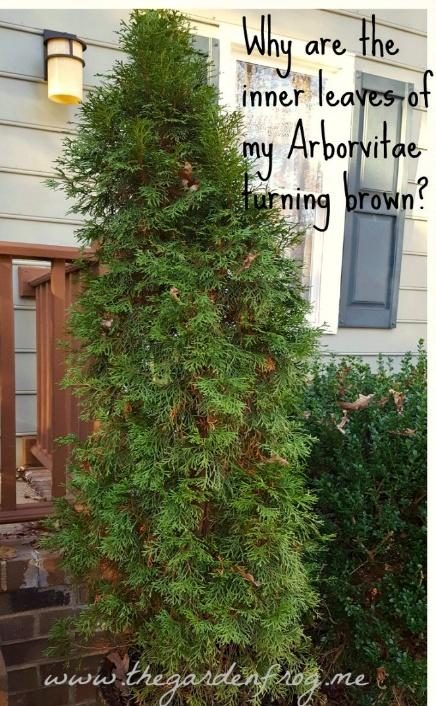
Bagworms (Uncommon but Serious)
Other plant health profiles
Related services
Great Western Tree Care
Shrub decline is usually a site problem
A Great Western technician can confirm the diagnosis on site before anything is treated — timing matters more than product choice.