
Plant Health Profile
Boxwood
Buxus spp.
Boxwood is a popular evergreen shrub commonly used for hedges and foundation plantings. In Colorado, it is affected by winter desiccation, leafminer, psylla, mites, and several fungal issues. Most problems are manageable with proper watering and pruning.
Seasonal Pest & Disease Calendar
| Problem | Type | Active Season |
|---|---|---|
| Boxwood leafminer | Insect | Spring (adult flight), larvae feed all season |
| Boxwood psyllid | Insect | Spring–Early Summer |
| Spider mites | Mite | Summer–Fall |
| Volutella blight | Fungus | Spring–Fall |
| Boxwood dieback | Fungus complex | Year-round (stress-triggered) |
| Winter burn / desiccation | Environmental | Winter–Early Spring |
Pest & Disease Guide (Homeowner-Friendly)
1. Boxwood Leafminer
Symptoms
- Blistered, puffy, or “bubbled” leaves
- Leaves may turn yellow, orange, or brown
- Squishy feel when pressed
- Adult orange gnat-like flies in spring
Treatment
- Prune out damaged leaves in spring
- Systemic insecticides (imidacloprid, dinotefuran) in mid-summer
- Avoid shearing during adult flight (early spring)
2. Boxwood Psyllid
Symptoms
- New leaves cup inward (“taco shell” shape)
- White, waxy psyllid nymphs inside cupped leaves
- Light stunting of new growth
Treatment
- Usually cosmetic
- Prune off cupped tips in early summer
- Systemic insecticides if severe (spring)
3. Spider Mites (Boxwood & Two-Spotted)
Symptoms
- Tiny yellow stippling on foliage
- Leaves turn dull, dry, or bronze
- Webbing minimal but present
- Tap-test over white paper reveals tiny moving specks
Treatment
- Strong water spray to knock mites off
- Miticides if severe (summer)
- Avoid hot, dry stress—water deeply
4. Volutella Blight
Symptoms
- Leaves turn tan or straw-colored
- Blackened stems
- Pinkish fungal spores under humid conditions
- Patchy dieback
Treatment
- Prune infected stems to healthy green wood
- Sanitize tools
- Improve airflow & avoid overhead irrigation
- Mulch and deep-water to reduce stress
5. Boxwood Dieback (Fungal Complex)
Symptoms
- Random branches die back
- Leaves fall prematurely
- No clear pest cause
- Often triggered by stress (winter burn, drought, poor drainage)
Treatment
- Correct watering
- Avoid shearing too aggressively
- Prune out dead stems
- Improve soil drainage
- No single chemical cure—focus on health
6. Winter Burn / Desiccation
Symptoms
- Orange or bronze discoloration, especially on south/west exposures
- Leaf tips dry out and flake
- Entire sections may brown in severe winters
Treatment
- Winter watering every 4–6 weeks (as needed)
- Burlap wind protection in exposed areas
- Mulch 2–3" around the base
- Spring pruning to remove dead tips
When to Worry vs. When It’s Cosmetic
When to Worry (Action Needed)
- Whole branches die back (possible blight or root issues)
- Severe leaf blistering every year (leafminer infestation)
- Large areas bronzing or turning orange after winter
- Shrub shows thinning growth and poor vigor
- Presence of pink spores (Volutella)
Mostly Cosmetic (Monitor Only)
- Light winter bronzing that fades in spring
- Minor leaf cupping from psyllid
- Occasional mite stippling during hot, dry periods
- Small blister patches without recurring issues
Diagnostic Imagery
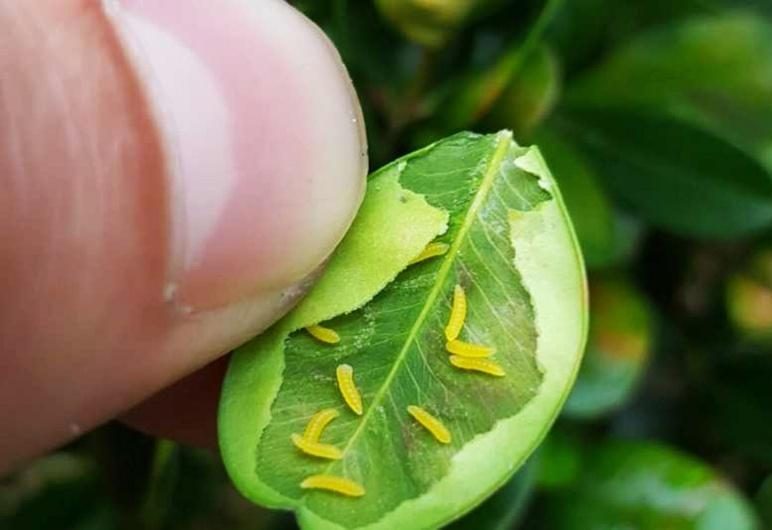
Boxwood Leafminer
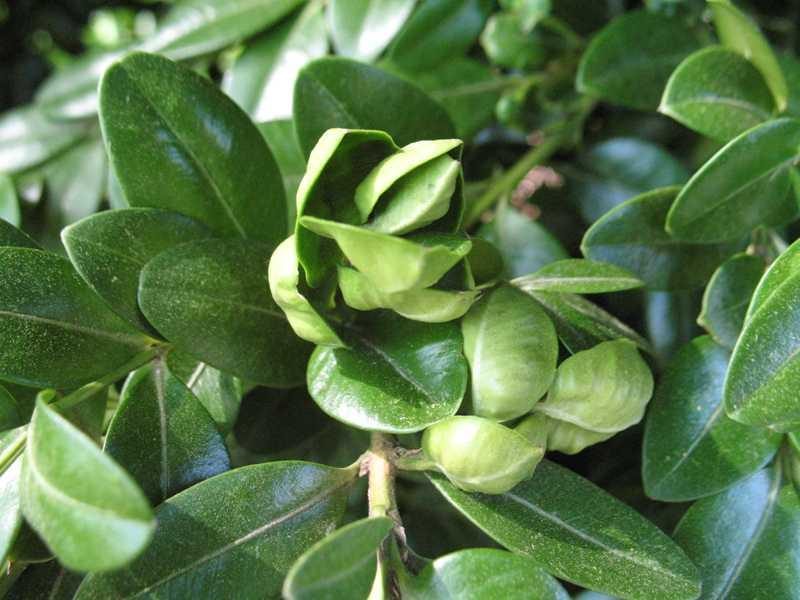
Boxwood Leafminer
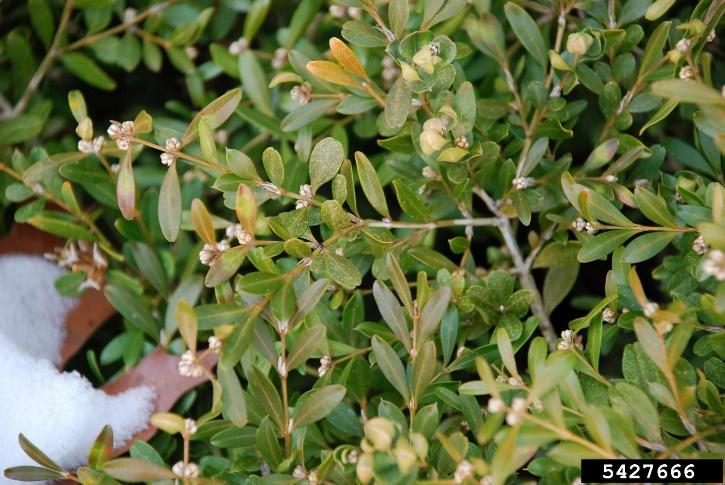
Boxwood Psyllid
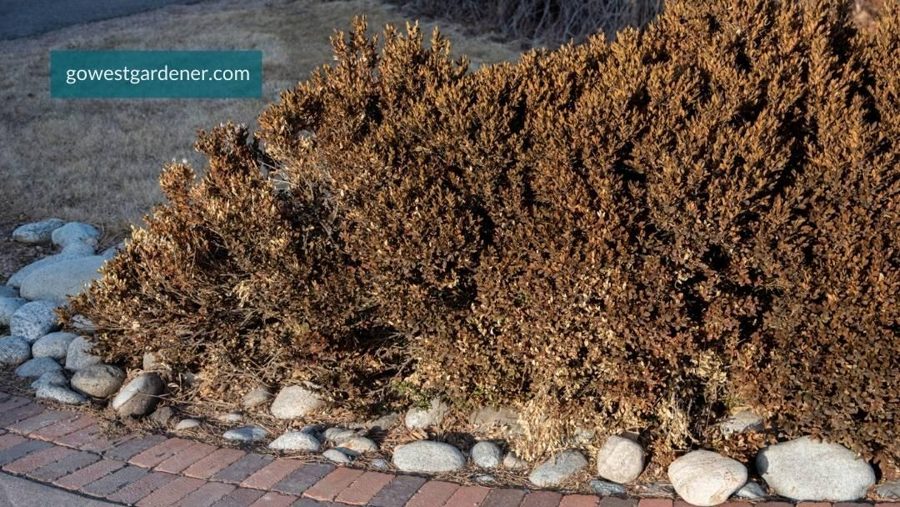
Boxwood Dieback (Fungal Complex)
Other plant health profiles
Related services
Great Western Tree Care
Shrub decline is usually a site problem
A Great Western technician can confirm the diagnosis on site before anything is treated — timing matters more than product choice.