
Plant Health Profile
Potentilla
Potentilla fruticosa / Dasiphora fruticosa
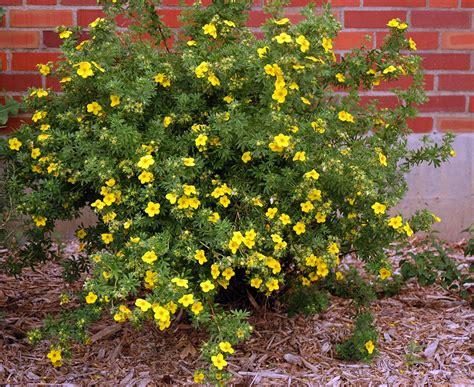
Potentilla is a hardy, deciduous flowering shrub widely used in Colorado landscapes for its long bloom season and toughness. It prefers full sun and well-drained soil; most issues show up when plants are crowded, stressed, or kept too wet.
Seasonal Pest & Disease Calendar
| Problem | Type | Active Season |
|---|---|---|
| Aphids | Insect | Spring–Early Summer |
| Spider mites | Mite | Summer (hot/dry) |
| Powdery mildew | Fungus | Summer–Fall |
| Leaf spot / foliar blight | Fungus | Summer–Fall |
| Rust (leaf rusts) | Fungus | Spring–Summer |
| Root / crown rot | Soil disease (stress-related) | Year-round |
| Winter dieback | Environmental | Winter–Early Spring |
Pest & Disease Guide (Homeowner-Friendly)
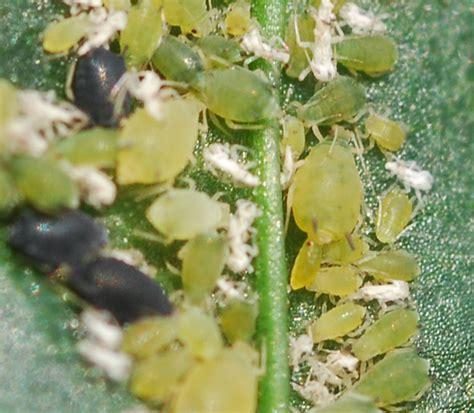
1. Aphids
Symptoms
- Curled or distorted new growth
- Sticky residue (honeydew)
- Ants on stems/branches
Treatment
- Strong water spray to knock them off
- Prune out the worst curled tips early
- Usually cosmetic unless growth is heavily stunted
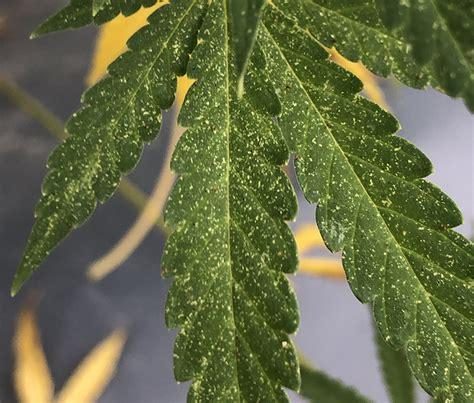
2. Spider Mites
Symptoms
- Fine yellow “stippling” on leaves
- Leaves look dusty/bronzed; webbing may appear in heavy infestations
Treatment
- Hose foliage (especially undersides) during hot spells
- Avoid drought stress—deep water
- Miticides only if severe and spreading
3. Powdery Mildew
Symptoms
- White/gray powdery coating on leaves
- Most common mid–late summer
Treatment
- Improve airflow and sun exposure
- Avoid excess nitrogen
- Fungicides optional (mostly cosmetic for established shrubs)
4. Leaf Spot / Foliar Blight
Symptoms
- Small brown/black spots that can merge into blotches
- Premature leaf drop late season
Treatment
- Rake/remove fallen leaves
- Water at soil level (avoid overhead irrigation)
- Thin lightly for airflow
5. Rust (Leaf Rusts)
Symptoms
- Yellow/orange spots on leaf tops
- Orange “dusty” spores/pustules often on leaf undersides
Treatment
- Remove heavily infected leaves (don’t compost if it’s bad)
- Improve airflow; avoid wet foliage
- Fungicides rarely needed for homeowners
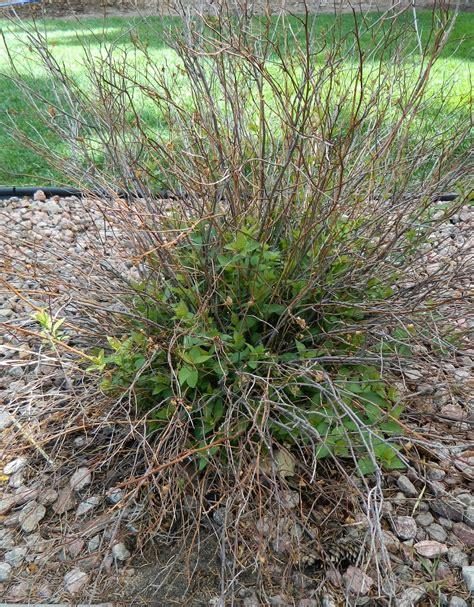
6. Root / Crown Rot
Symptoms
- Wilting despite watering
- Poor growth, thinning canopy
- Roots/crown dark, soft, or decayed
Treatment
- Fix drainage first (raise bed, amend soil, correct irrigation)
- Let soil dry between waterings
- Replace plants in chronically wet sites (no spray “cure”)
7. Winter Dieback
Symptoms
- Dead tips/branches in spring, delayed leaf-out
- Worse in exposed windy sites or after dry winters
Treatment
- Spring prune back to green wood
- Winter water during warm/dry periods
- Mulch 2–3" (keep off the crown/stems)
Treatment Timing Calendar – Potentilla (Colorado Front Range)
March–Early April ( )
- Prune out winter dieback; lightly thin for airflow
- Start checking tender tips for aphids
Late April–May ( )
- Aphids peak on new growth
- Treat only if heavy distortion/stunting is building
June ( )
- Begin mite scouting as heat ramps up
- Deep water during dry spells (avoid daily light watering)
July–August ( )
- Spider mites + powdery mildew + leaf spots show up
- Treat mites early if stippling is spreading
- Fungicides only if appearance matters
September–October ( )
- Rake and remove fallen leaves (big disease reducer)
- Water before the ground freezes
Winter ( )
- Winter water during warm dry stretches
- No pesticide treatments needed
When to Worry vs. When It’s Cosmetic
When to Worry (Action Needed)
- Repeated heavy bronzing/stippling and leaf drop from mites
- Decline + wilting with wet soil (possible root/crown rot)
- Significant dieback year after year (site stress)
Mostly Cosmetic (Monitor Only)
- Mild powdery mildew late summer
- Light leaf spotting late season
- Small aphid pockets on a few tips
Diagnostic Imagery
Aphids
Aphids
Root / Crown Rot
Other plant health profiles
Related services
Great Western Tree Care
Shrub decline is usually a site problem
A Great Western technician can confirm the diagnosis on site before anything is treated — timing matters more than product choice.