
Shrub Library
Spirea
Spiraea japonica
Spirea is a compact, hard-working flowering shrub that tolerates Colorado's alkaline soils and temperature swings while blooming through much of the summer with minimal care.
Quick specifications
- Mature Size
- 2–4 ft tall | 2–4 ft wide (varies by cultivar)
- Growth Rate
- Moderate
- Form
- Compact, mounded deciduous shrub
- Foliage
- Green, gold, or bronze depending on cultivar
- Sun
- Full sun preferred for best flowering and foliage color
- Water
- Moderate water needs once established
- Soil
- Tolerates a wide range of soils if well-drained
- Bloom
- Pink, white, or red (spring–early summer)
- Lifespan
- 30–40+ years under Front Range conditions
- Hardiness
- Excellent cold hardiness and heat tolerance
- Native Status
- Non-native
Overview
Spirea is a small, mounded deciduous shrub used heavily in foundation and mass plantings.
Cultivars vary widely in foliage color, from gold and lime to blue-green, giving season-long interest beyond bloom.
Identification
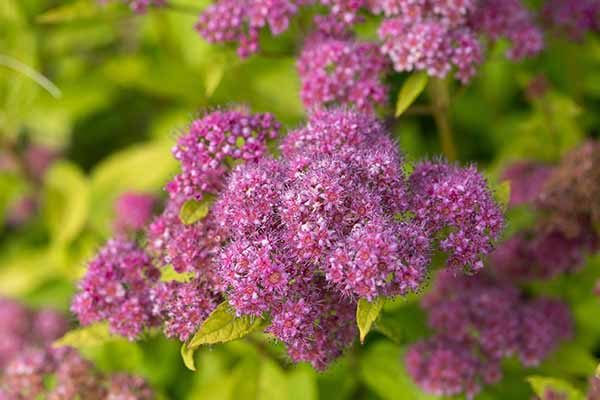
Flower
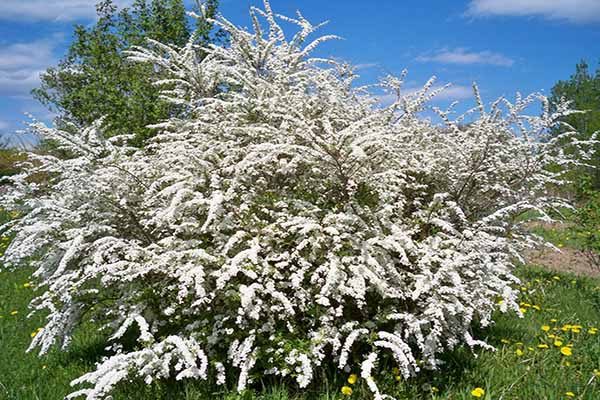
Mature form
Colorado Suitability
Cold hardy and tolerant of late spring frosts.
Handles alkaline Front Range soils.
Compact size suits tight residential beds.
Planting Considerations
- Full sun produces the heaviest bloom and best foliage color.
- Space for mature width to preserve the mounded form.
- Mulch to stabilize soil moisture.
Care
- Water moderately and consistently through summer heat.
- Light spring fertilization is sufficient.
Pruning
- Shear lightly after the first bloom to encourage rebloom.
- Cut back by one-third in late winter to maintain density.
- Renewal-prune woody, open plants hard in early spring.
Best Use Scenarios
- Foundation plantings and mass beds
- Low hedges and borders
- Commercial landscapes and HOAs
- Low-maintenance flowering shrub plantings
Common Problems
- Powdery mildew in crowded plantings.
- Aphids on new growth.
- Leggy, open habit when never pruned.
Related Diseases
Related Shrubs
Related Services
Great Western Tree Care
When you want a professional opinion
The Root exists to help you understand your landscape. When a tree needs hands-on evaluation, a Great Western arborist can look at it in person.