Spreading Euonymus
Euonymus kiautschovicus
Spreading euonymus is a low, wide, semi-evergreen shrub used for foundation cover and slope planting. It tolerates shade better than most Colorado landscape shrubs.
Quick specifications
- Mature Size
- 4–6 ft tall | 6–10 ft wide
- Growth Rate
- Moderate
- Form
- Spreading to low, mounded shrub
- Foliage
- Glossy green leaves; some cultivars semi-evergreen. Fall color pink to red on some selections
- Sun
- Full sun to partial shade (best density in full sun)
- Water
- Avoid overwatering; prefers well-drained soils
- Soil
- Very adaptable to a wide range of soils, including alkaline clay
- Lifespan
- 40+ years under Front Range conditions
- Hardiness
- Good cold hardiness and urban tolerance
- Native Status
- Non-native
Overview
Spreading euonymus is a low, mounding semi-evergreen shrub that holds much of its foliage into winter in protected sites.
Its horizontal habit makes it useful under windows and along slopes where taller shrubs would obstruct.
Identification
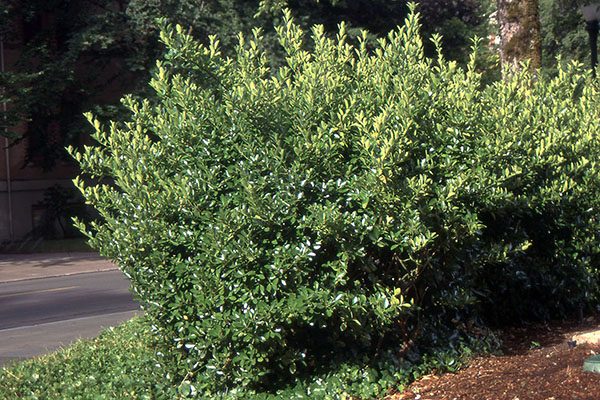
Mature form
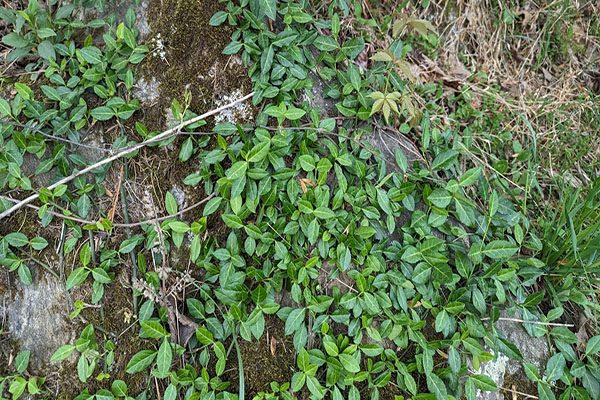
In the field
Colorado Suitability
Tolerates shade where most flowering shrubs decline.
Useful low, spreading form for foundation plantings.
Handles alkaline soils and urban conditions.
Planting Considerations
- Give adequate width — plants spread wider than tall.
- Avoid saturated, poorly drained beds.
- North and east exposures reduce winter foliage loss.
Care
- Water consistently in summer; do not allow prolonged drought.
- Winter water during dry, warm periods to reduce foliage burn.
Pruning
- Prune in late winter to control spread.
- Remove winter-damaged shoots once new growth begins.
- Avoid hard shearing, which exposes bare interior wood.
Best Use Scenarios
- Slopes and banks
- Foundation plantings and mass beds
- Low hedges and groundcover transitions
- Urban and commercial landscapes
Common Problems
- Euonymus scale — the most common and most damaging pest of this species.
- Winter foliage burn on exposed sites.
- Powdery mildew in dense, shaded plantings.
Related Diseases
Related Shrubs
Related Services
When you want a professional opinion
The Root exists to help you understand your landscape. When a tree needs hands-on evaluation, a Great Western arborist can look at it in person.