
Plant Health Profile
Hydrangea
Hydrangea spp.
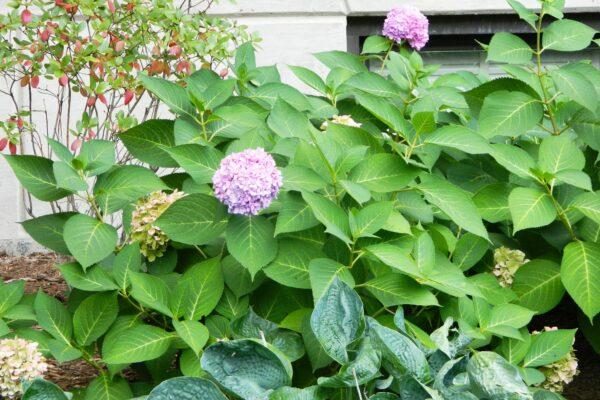
Hydrangea is a showy, deciduous flowering shrub prized for large blooms and lush foliage. In Colorado, hydrangeas do best with morning sun / afternoon shade, consistent moisture, and mulch to keep roots cool. Most problems show up when plants are drought-stressed, heat-stressed, overcrowded (poor airflow), or watered overhead.
Seasonal Pest & Disease Calendar
| Problem | Type | Active Season |
|---|---|---|
| Aphids | Insect | Spring–Early Summer |
| Spider mites | Mite | Summer (hot/dry) |
| Powdery mildew | Fungus | Summer–Fall |
| Leaf spot (Cercospora/other) | Fungus | Summer–Fall |
| Botrytis blight (flower/leaf blight) | Fungus | Cool, wet periods (spring/fall; after rain) |
| Leaf scorch / drought stress | Environmental | Summer |
| Winter dieback / bud kill | Environmental | Winter–Early Spring |
Pest & Disease Guide (Homeowner-Friendly)
1. Aphids
Symptoms
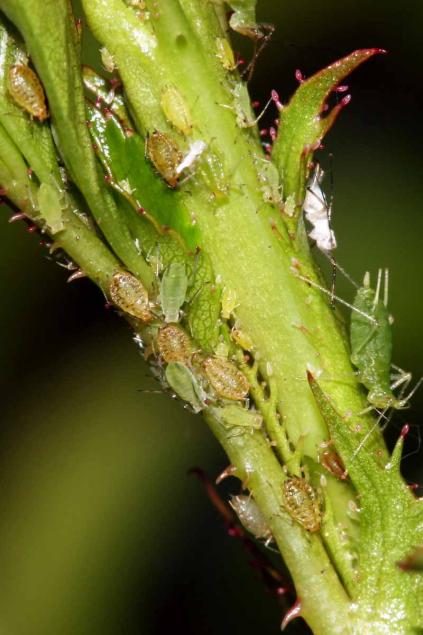
- Clusters of soft-bodied insects on new growth
- Curled/distorted leaves; sticky honeydew (sometimes ants)
Treatment
- Strong water spray knocks them off
- Insecticidal soap/horticultural oil if persistent
- Usually cosmetic unless new growth is heavily distorted
2. Spider Mites
Symptoms
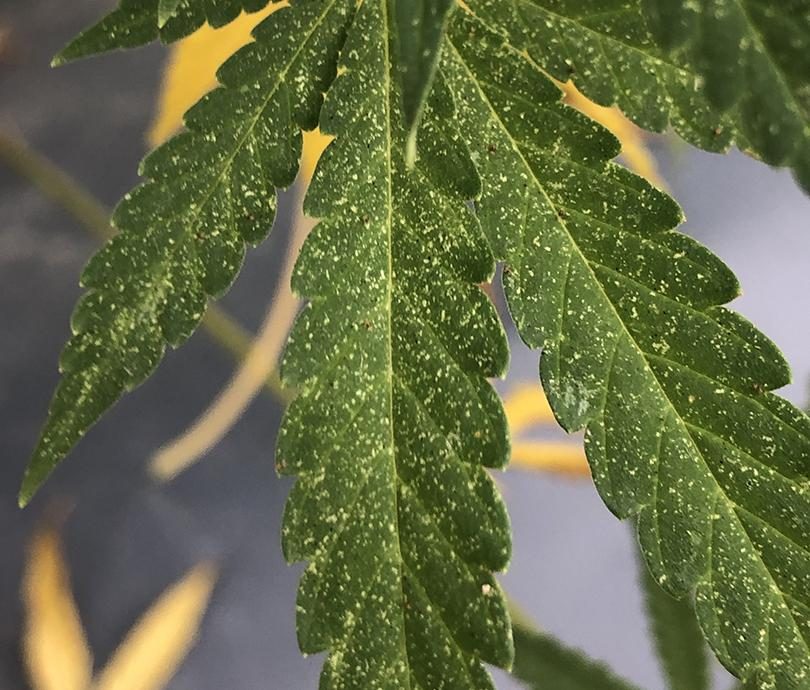
- Fine yellow stippling/speckling on leaves
- Bronzing/dull look; leaf drop in heat
- Sometimes fine webbing (heavy infestations)
Treatment
- Hose undersides of leaves during hot spells (reduces mites + dust)
- Reduce drought stress (deep, consistent watering + mulch)
- Miticides only if damage is spreading and mites confirmed
3. Powdery Mildew
Symptoms
- White/gray “powder” on leaf surfaces
- More common mid–late summer with warm days + cool nights
Treatment
- Improve airflow (thin/prune, don’t crowd)
- Avoid excess nitrogen (pushes tender growth)
- Fungicides optional—often cosmetic on established plants
4. Leaf Spot (Cercospora/Leaf Spot Complex)
Symptoms
- Round to irregular purple/brown spots
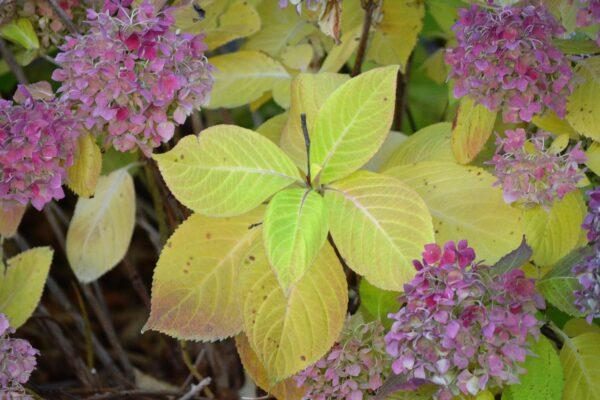
- Yellowing and premature leaf drop late season
Treatment
- Rake/remove fallen leaves (key)
- Avoid overhead watering; water at base
- Fungicides rarely needed for homeowners unless severe yearly defoliation
5. Botrytis Blight (Flower/Leaf Blight)
Symptoms
- Brown, water-soaked blotches on petals or leaves
- Flowers “melt” or brown rapidly during cool/wet weather
Treatment
- Remove spent blooms and blighted flowers promptly
- Improve airflow; avoid wetting blooms when watering
- Fungicide only if it’s a repeating issue during prolonged wet periods
(Generic blight photos vary widely by host; best field rule is: wet + cool + rapid browning = suspect Botrytis, then sanitize.)
6. Leaf Scorch / Drought Stress
Symptoms
- Browning/crispy leaf edges or tips
- Wilting during heat; foliage may look “burned”
Treatment
- Deep, consistent watering (not frequent light watering)
- Mulch 2–3" (keep off stems)
- Afternoon shade helps a lot on hot exposures
7. Winter Dieback / Bud Kill
Symptoms
- Dead stem tips in spring; delayed leaf-out
- Bigleaf types may leaf out but not flower if buds were killed
Treatment
- Wait to prune until spring green-up (so you don’t remove live wood)
- Prune dead stems back to healthy buds/wood
- Winter watering during warm/dry stretches; mulch roots
Treatment Timing Calendar – Hydrangea (Colorado Front Range)
March–Early April ( )
- Check for winter dieback; wait to prune until you see bud swell
- Water during warm/dry spells if soil is dry
Late April–May ( )
- Watch new growth for aphids
- Light thinning for airflow (don’t shear)
- Treat aphids only if distortion builds
June ( )
- Keep moisture consistent as heat ramps up
- Begin scouting for early leaf spot and mite stippling
July–August ( )
- Deep watering + mulch (critical)
- Watch for spider mites, powdery mildew, scorch
- Treat mites early if stippling spreads; mildew sprays optional
September–October ( )
- Rake/remove spotted leaves; discard diseased debris
- Deep watering before soil freeze
Winter ( )
- Winter water during warm spells (especially exposed sites)
- No pesticide treatments needed
When to Worry vs. When It’s Cosmetic
When to Worry (Action Needed)
- Repeated severe spider mite damage with defoliation
- Major early leaf drop from leaf spot year after year
- Significant winter dieback (large sections not leafing out)
Mostly Cosmetic (Monitor Only)
- Light aphids with minimal distortion
- Mild powdery mildew late summer
- Small amount of late-season leaf spotting
Diagnostic Imagery
Aphids
Aphids
Other plant health profiles
Related services
Great Western Tree Care
Shrub decline is usually a site problem
A Great Western technician can confirm the diagnosis on site before anything is treated — timing matters more than product choice.