Shrub Library
Common Privet
Ligustrum vulgare
Common privet is a fast, inexpensive hedge shrub that fills quickly and shears cleanly. It is best used in sheltered Front Range sites where winter exposure is limited.
Quick specifications
- Mature Size
- 10–15 ft tall | 8–12 ft wide
- Growth Rate
- Fast
- Form
- Upright to rounded deciduous shrub
- Foliage
- Medium green leaves, dense when maintained
- Sun
- Full sun to partial shade
- Water
- Moderate water needs once established
- Soil
- Performs reliably in alkaline Front Range soils
- Bloom
- Small white blooms (early summer)
- Lifespan
- 30–50+ years under Front Range conditions
- Hardiness
- Very adaptable and tolerant of urban conditions
- Native Status
- Non-native
Overview
Common privet is an upright deciduous to semi-evergreen shrub used almost exclusively for hedging and screening.
Where winter exposure is a concern, Cheyenne privet is the more reliable substitute.
Identification
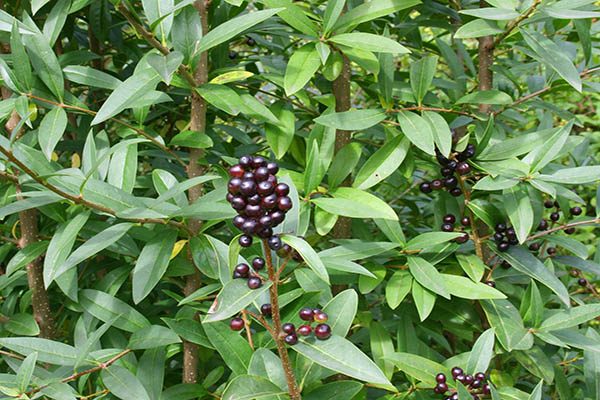
Fruit
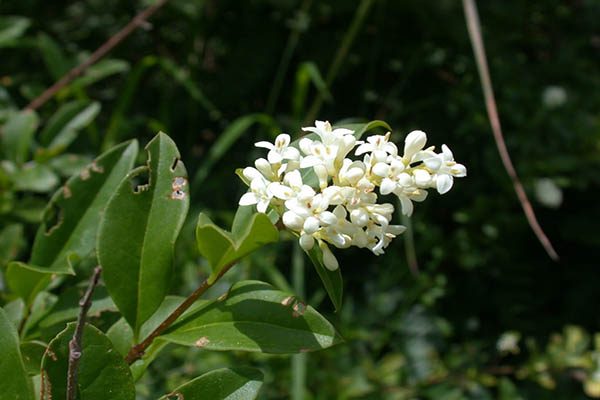
Flower
Colorado Suitability
Rapid establishment for screening needs.
Tolerates urban soils, compaction and reflected heat.
Responds well to repeated shearing.
Planting Considerations
- Space 3 ft apart for hedge use.
- Site out of persistent winter wind where possible.
- Irrigate consistently during the first two seasons.
Care
- Reduce late-season nitrogen to limit soft growth.
- Winter water during extended dry periods.
Pruning
- Shear during the growing season to hold form.
- Renewal-prune leggy hedges hard in late winter — privet regenerates readily.
- Keep the base wider than the top.
Best Use Scenarios
- Informal hedges and privacy screens
- Windbreaks and boundary plantings
- Commercial landscapes
- Sites needing rapid coverage and durability
Common Problems
- Winter tip dieback in severe seasons.
- Leaf spot in crowded, wet conditions.
- Seedling spread from fruit in irrigated landscapes.
Related Diseases
Related Shrubs
Related Services
Great Western Tree Care
When you want a professional opinion
The Root exists to help you understand your landscape. When a tree needs hands-on evaluation, a Great Western arborist can look at it in person.