
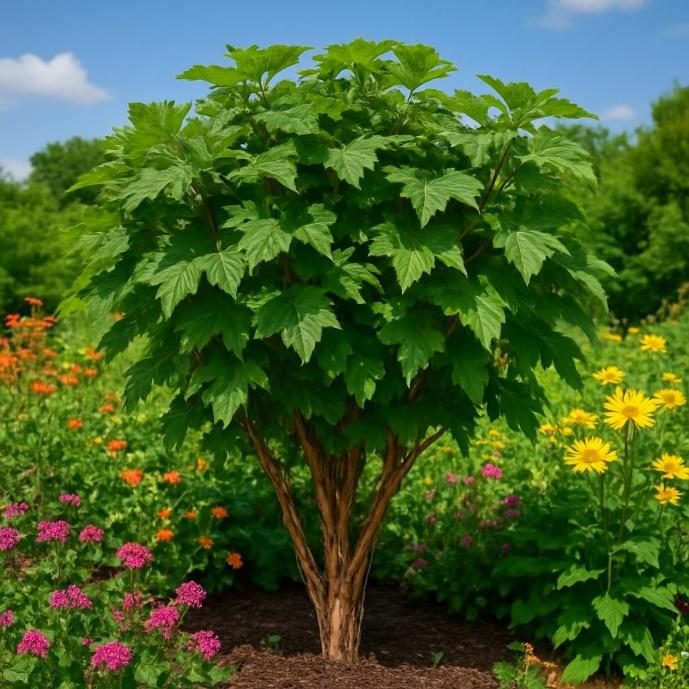
Ninebark (Physocarpus opulifolius)
Ninebark (Physocarpus opulifolius) problems in Colorado: identify powdery mildew, spider mites, scale, aphids and canker, with a seasonal calendar and practical treatment guidance.
Overview
- Family: Rosaceae
- Type: Deciduous shrub
- Height: 3 to 10 feet
- Spread: 3 to 6 feet
- Hardiness Zones: 3-7
- Uses: Ornamental landscaping, hedges, and wildlife habitat
Characteristics
Foliage: Lobed leaves, typically dark green; some cultivars have colorful foliage (e.g., ‘Diabolo’).
Seasonal Pest & Disease Calendar
| Problem | Type | Active Season |
|---|---|---|
| Powdery Mildew | Fungal | Summer |
| Spider Mites | Mites | Summer |
| Scale Insects | Insect | Spring–Summer |
| Aphids | Insect | Spring–Summer |
| Canker Diseases | Fungal | Summer–Fall |
Pest & Disease Guide (Homeowner-Friendly)
1. Powdery Mildew
Symptoms
- White, powdery coating on leaves.
- Leaves may become distorted.
Treatment:Improve air circulation around the plant.Water at the base, avoiding overhead watering.Apply fungicides if severe.
2. Spider Mites
Symptoms
- Yellowing and stippling of leaves.
- Fine webbing on foliage, especially in hot, dry conditions.
Treatment:Rinse leaves with water to dislodge mites.Use miticides if infestation is severe.Maintain consistent soil moisture.
3. Scale Insects
Symptoms
- Small, raised bumps on stems and leaves.
- Sticky honeydew or sooty mold may be present.
Treatment:Apply horticultural oils in spring.Use systemic insecticides in summer.Prune infested twigs lightly.
4. Aphids
- Symptoms:
- Clusters of small, soft-bodied insects on new growth.
- Leaves may curl or yellow.
- Treatment:
- Use insecticidal soap or neem oil to control populations.
- Encourage beneficial insects like ladybugs.
5. Canker Diseases
- Symptoms:
- Sunken, cracked areas on stems.
- Random branch dieback.
- Treatment:
- Prune affected branches back to healthy wood.
- Sanitize tools after pruning.
- Ensure proper watering and drainage.
When to Worry vs. Cosmetic Issues
When to Worry (Action Needed)
- Rapid dieback or browning of branches.
- Persistent powdery mildew affecting growth.
- Severe infestations of mites or aphids.
Mostly Cosmetic (Monitor Only)
- Light stippling from spider mites.
- Minor leaf distortion from powdery mildew.
- Occasional scale presence without significant impact.
Diagnostic Imagery
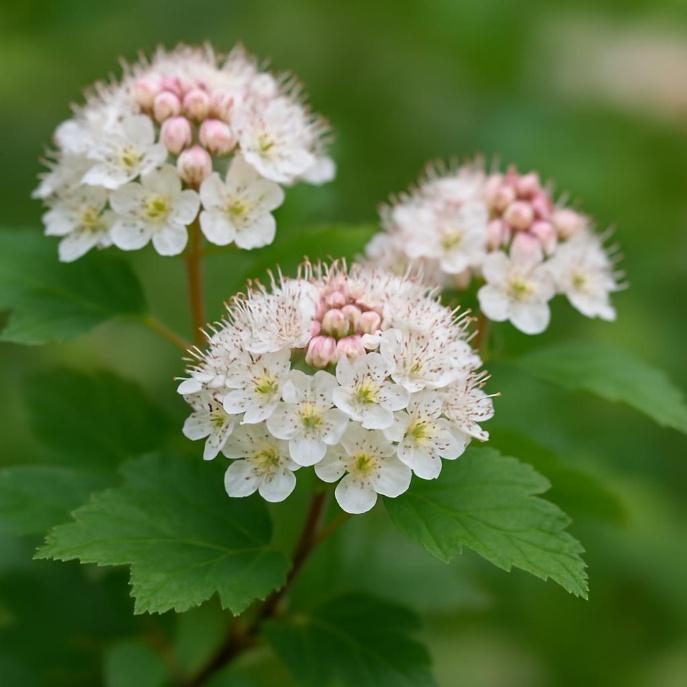
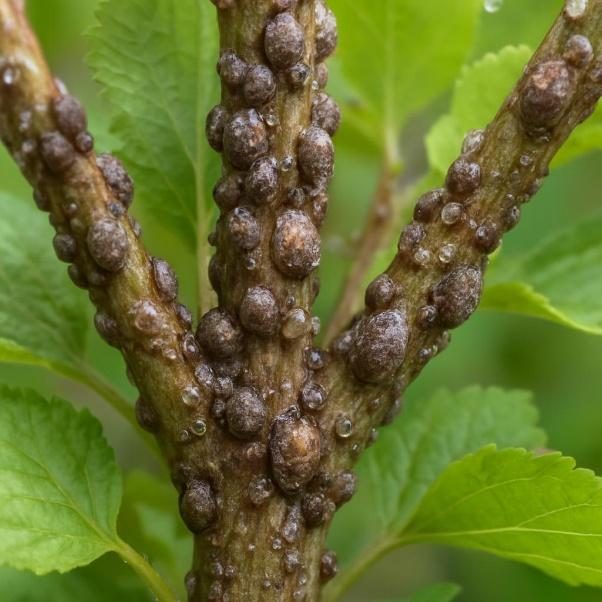
Powdery Mildew
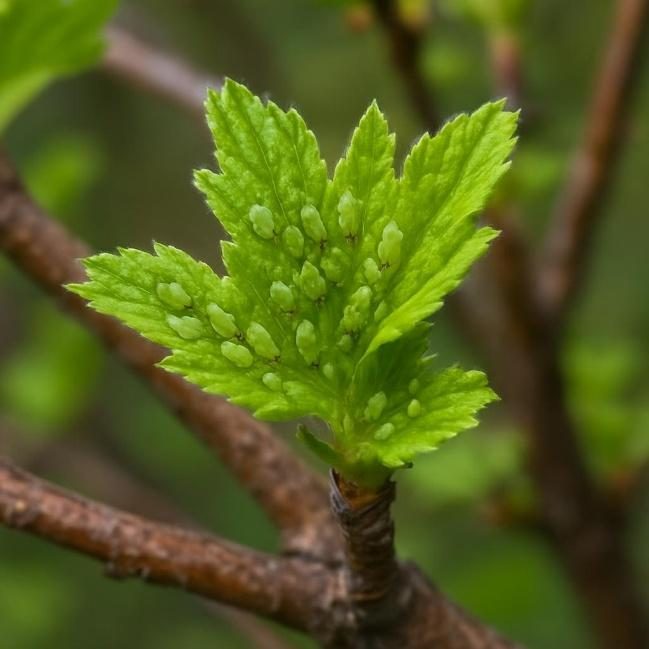
Scale Insects
Other plant health profiles
Related services
Shrub decline is usually a site problem
A Great Western technician can confirm the diagnosis on site before anything is treated — timing matters more than product choice.