
Plant Health Profile
Currant
Ribes spp.
Currants are deciduous shrubs grown for fruit, pollinators, and hardy landscape use. In the Colorado Front Range, most issues are seasonal and tied to sap- feeding insects, defoliators, foliar diseases, and stress. Good airflow, consistent watering, and annual cane renewal solve most problems.
Seasonal Pest & Disease Calendar
| Problem | Type | Active Season |
|---|---|---|
| Currant blister aphids | Insect | Spring–Early Summer |
| Currant sawfly | Insect | Spring–Early Summer (can repeat) |
| Spider mites | Mite | Summer |
| Powdery mildew | Fungus | Summer–Fall |
| Leaf spot / Anthracnose | Fungus | Summer–Fall |
| Cane dieback (stress/fungal complex) | Stress/Disease | Year-round (triggered by stress) |
| Winter dieback / desiccation | Environmental | Winter–Early Spring |
Pest & Disease Guide (Homeowner-Friendly)
1. Currant Blister Aphids
Symptoms
- Raised blisters, puckering, or curled leaves (often red/yellow patches)
- Sticky honeydew; ants may be present
Treatment
- Strong water spray to knock aphids off
- Prune off the worst distorted tips early
- Systemics only if severe and repeated (often cosmetic)
2. Currant Sawfly
Symptoms
- Rapid “skeletonizing” or stripping of leaves
- Green caterpillar-like larvae (they’re sawfly larvae, not moth caterpillars)
Treatment
- Hand-pick larvae early (fast and effective)
- Treat early when larvae are small if defoliation is starting
- Repeated defoliation = real stress (this one can matter)
3. Spider Mites
Symptoms
- Fine yellow stippling; leaves look dusty/dull
- Sometimes light webbing in hot, dry weather
Treatment
- Strong hose spray (especially undersides) during heat
- Avoid drought stress—deep water
- Miticides only if severe
4. Powdery Mildew
Symptoms
- White/gray “powder” on leaves and sometimes fruit
- Most common mid–late summer
Treatment
- Thin canopy for airflow; avoid overhead watering
- Fungicides optional if fruit/appearance matters
- Often manageable with pruning + site conditions
5. Leaf Spot / Anthracnose
Symptoms
- Small dark spots that can merge into blotches
- Premature leaf drop later in summer
Treatment
- Rake/remove fallen leaves (biggest improvement)
- Water at soil level; reduce leaf wetness
- Fungicides rarely needed for homeowners
6. Cane Dieback
Symptoms
- One or more canes fail to leaf out well, then decline
- Tip dieback or entire cane dieback (often after stress)
Treatment
- Prune dead canes to the base (remove/haul off)
- Improve watering and drainage; mulch (not against stems)
- No single “magic spray”—reduce stress and renew canes
7. Winter Dieback / Desiccation
Symptoms
- Tips or entire canes dead after winter; delayed leaf-out
- Worse on exposed/windy sites with dry soil
Treatment
- Winter watering during warm dry spells
- Mulch 2–3" (keep off crowns/stems)
- Spring pruning to remove dead tips/canes
Treatment Timing Calendar – Currant (Colorado Front Range)
March–Early April ( )
- Prune out dead/weak canes; open the center
- Check for overwintered stress and early aphid activity
- Water during dry spring weeks
Late April–May ( )
- Watch for sawfly larvae and early aphid blistering
- Treat sawfly early (small larvae) if defoliation begins
- Pinch/prune worst aphid-distorted tips if needed
June ( )
- Monitor for continued sawfly (if it repeats) and early mites
- Deep watering as heat ramps up
July–August ( )
- Powdery mildew + leaf spot/anthracnose show up
- Fungicides only if fruit/appearance is important
- Avoid heavy pruning during peak heat
September–October ( )
- Rake and remove leaves (best disease prevention)
- Water before ground freezes
Winter ( )
- Winter watering during warm dry spells
- No pesticide treatments needed
When to Worry vs. When It’s Cosmetic
When to Worry (Action Needed)
- Repeated or heavy defoliation (sawfly)
- Significant cane dieback year over year
- Early, repeated leaf drop from spotting diseases
Mostly Cosmetic (Monitor Only)
- Light blister aphids
- Mild powdery mildew late summer
- Minor late-season leaf spotting
Diagnostic Imagery
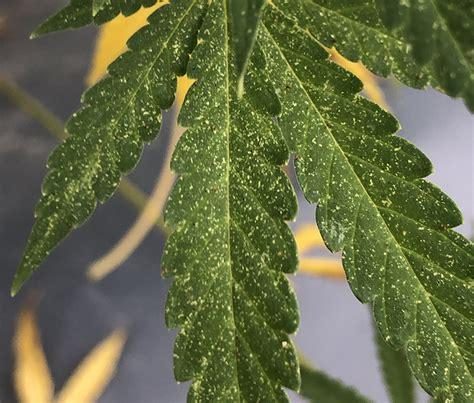
Currant Sawfly
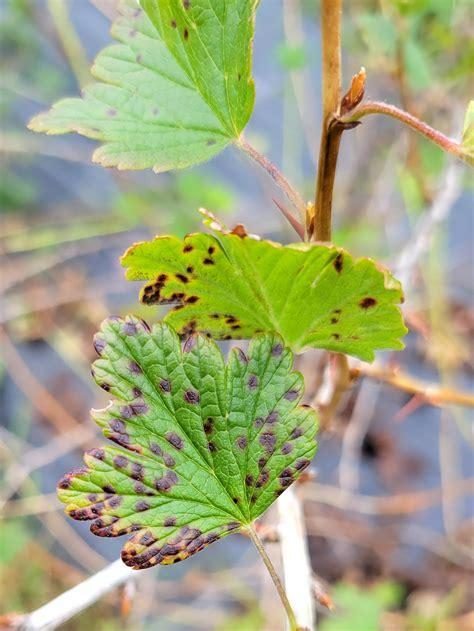
Powdery Mildew
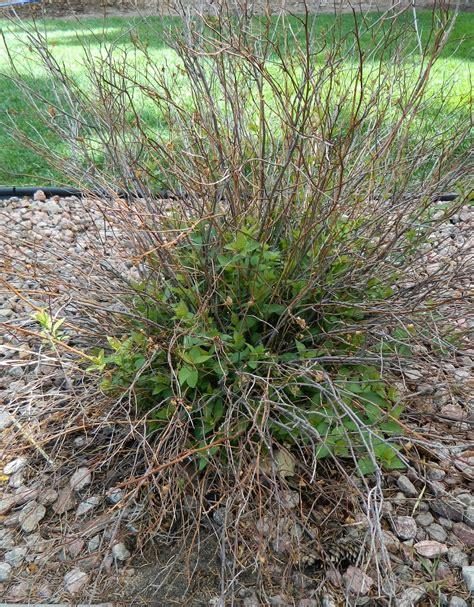
Leaf Spot / Anthracnose
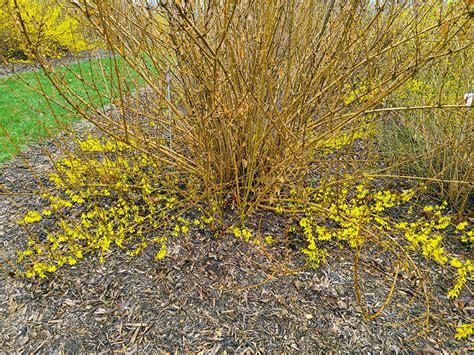
Cane Dieback
Other plant health profiles
Related services
Great Western Tree Care
Shrub decline is usually a site problem
A Great Western technician can confirm the diagnosis on site before anything is treated — timing matters more than product choice.