Plains Cottonwood
Populus deltoides ssp. monilifera
Plains Cottonwood is a large native shade tree valued for its rapid growth, broad canopy, and ability to thrive along Colorado’s waterways and open landscapes. It provides substantial shade and wind protection, making it best suited for larger properties where its size and root system have room to develop.
Quick specifications
- Mature Height
- 70–100+ ft
- Mature Spread
- 50–80 ft
- Growth Rate
- Fast
- Water
- Requires abundant soil moisture—best near irrigation or natural water sources
- Soil
- Requires abundant soil moisture—best near irrigation or natural water sources
- Hardiness
- 80–120+ years under favorable conditions
Identification
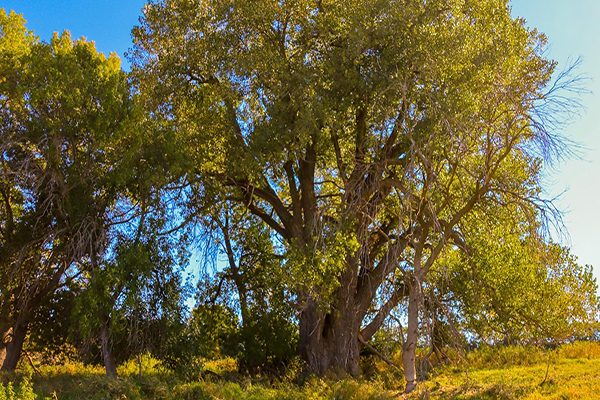
Species
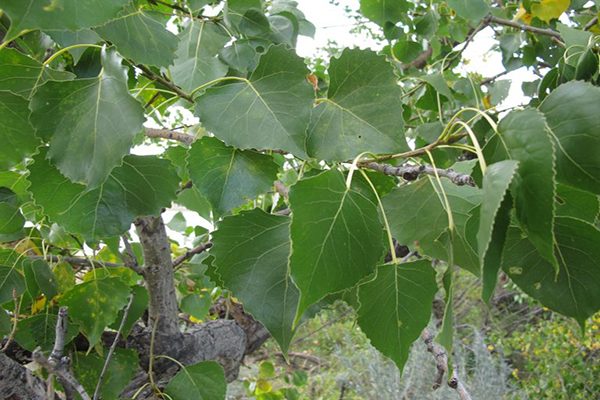
Leaf detail
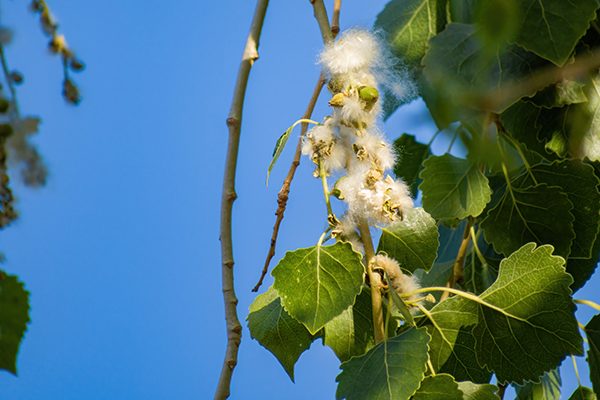
Structure
Overview
Plains Cottonwood is a large native shade tree valued for its rapid growth, broad canopy, and ability to thrive along Colorado’s waterways and open landscapes. It provides substantial shade and wind protection, making it best suited for larger properties where its size and root system have room to develop.
Key Characteristics
- Mature Size: 70–100+ ft tall | 50–80 ft wide
- Growth Rate: Fast
- Form: Broad, open canopy with massive trunk
- Leaves: Large, triangular green leaves
- Lifespan: 80–120+ years under favorable conditions
Colorado Growing Conditions
Native to Colorado plains and riparian corridors
Extremely fast-growing shade tree
Excellent tolerance of wind and cold
Provides significant wildlife and ecological value
Planting Considerations
- Requires abundant soil moisture—best near irrigation or natural water sources
- Not suitable for small yards or confined spaces
- Aggressive root systems can impact pavement and utilities
- Cotton production occurs on female trees
Common Problems
- Cottonwood borer and poplar borer
- Branch breakage due to fast growth and large size
- Root conflicts with hardscapes if poorly sited
Best Use Scenarios
- Large rural properties and acreage
- Windbreaks and shelterbelts
- Riparian restorations and open landscapes
- Sites requiring rapid shade establishment
Related Services
Related Trees
Related Resources
When you want a professional opinion
The Root exists to help you understand your landscape. When a tree needs hands-on evaluation, a Great Western arborist can look at it in person.