
Princeton Elm
Princeton elm is a classic American elm cultivar prized for its tall, vase-shaped form, strong structure, and excellent resistance to Dutch elm disease. It performs well in Colorado landscapes, providing broad shade and a traditional street-tree look with reliable long-term durability.
Quick specifications
- Mature Height
- 60–70 ft
- Mature Spread
- 40–50 ft
- Growth Rate
- Moderate to fast
- Sun
- Full sun required for best form
- Water
- Deep, consistent watering during establishment
- Hardiness
- 60+ years with proper care
- Genus
- Elm (Ulmus)
Identification
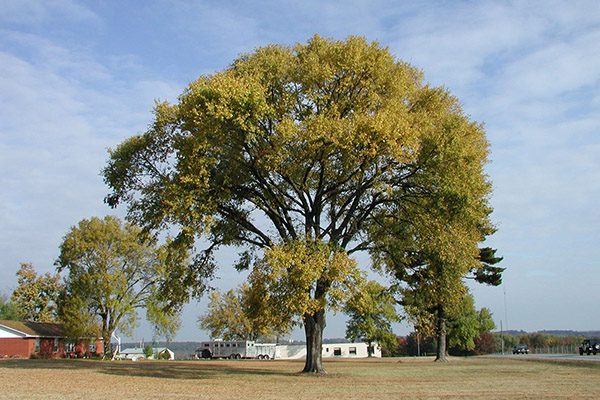
Species
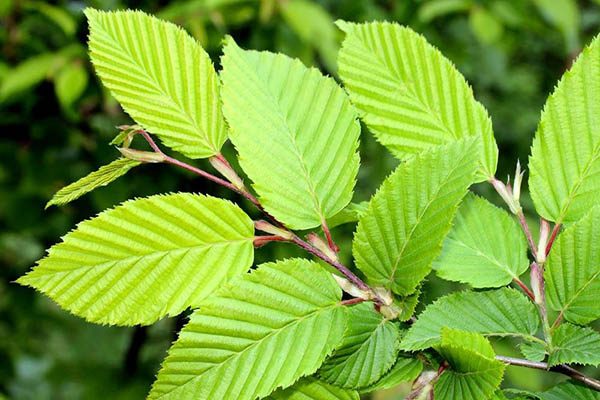
Leaf detail
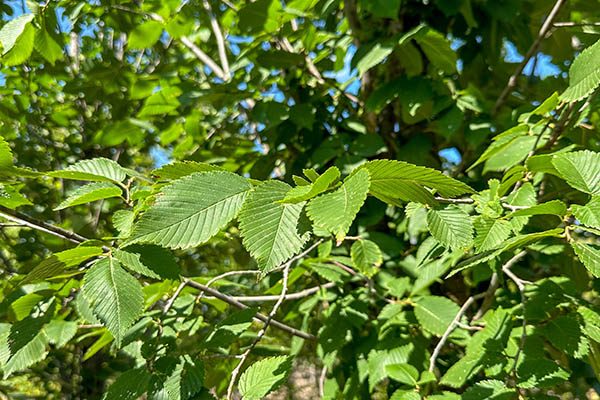
Structure
Overview
Princeton elm is a classic American elm cultivar prized for its tall, vase-shaped form, strong structure, and excellent resistance to Dutch elm disease. It performs well in Colorado landscapes, providing broad shade and a traditional street-tree look with reliable long-term durability.
Key Characteristics
- Mature Size: 60–70 ft tall | 40–50 ft wide
- Growth Rate: Moderate to fast
- Form: Vase-shaped with high arching canopy
- Fall Color: Yellow
- Lifespan: 60+ years with proper care
Colorado Growing Conditions
High resistance to Dutch elm disease
Classic American elm form and structure• Strong tolerance of wind, heat, and cold
Performs well in urban and residential landscapes
Planting Considerations
- Full sun required for best form
- Needs significant space for mature canopy
- Deep, consistent watering during establishment
- Structural pruning important when young
Common Problems
- Occasional elm leaf beetle activity
- Leaf scorch during extreme drought
- Generally low disease pressure
Best Use Scenarios
- Large residential properties
- Streetscapes and boulevards
- Historic landscape replacements for American elm
- Wind-exposed Front Range sites
Related Services
Related Trees
Related Resources
When you want a professional opinion
The Root exists to help you understand your landscape. When a tree needs hands-on evaluation, a Great Western arborist can look at it in person.