
Radiant Red Crabapple
The Radiant Red Crabapple is a hardy ornamental tree well suited to Colorado landscapes, prized for its vivid pink-red spring blooms and attractive upright form. It handles Front Range conditions reliably, offering strong cold tolerance, seasonal color, and a classic look that works well in both residential yards and larger landscape plantings.
Quick specifications
- Mature Height
- 15–20 ft
- Mature Spread
- 15–20 ft
- Growth Rate
- Moderate
- Sun
- Full sun required for best flowering and disease resistance
- Water
- Deep, consistent watering during establishment
- Hardiness
- 30–40+ years with proper care
- Genus
- Crabapple (Malus)
Identification
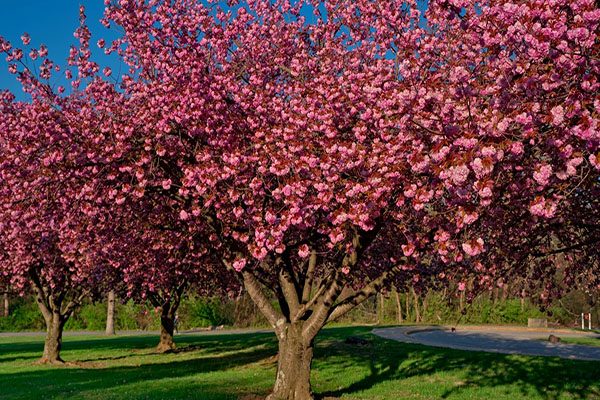
Species
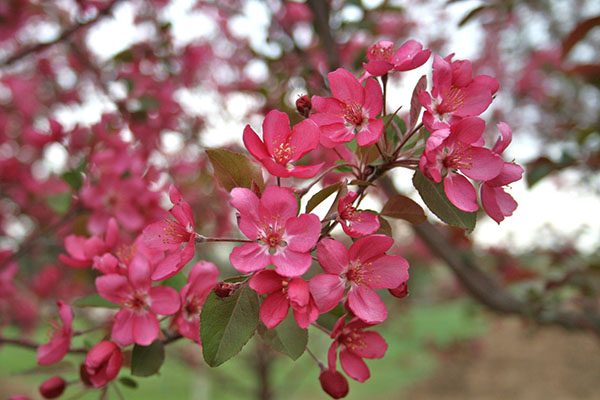
Leaf detail
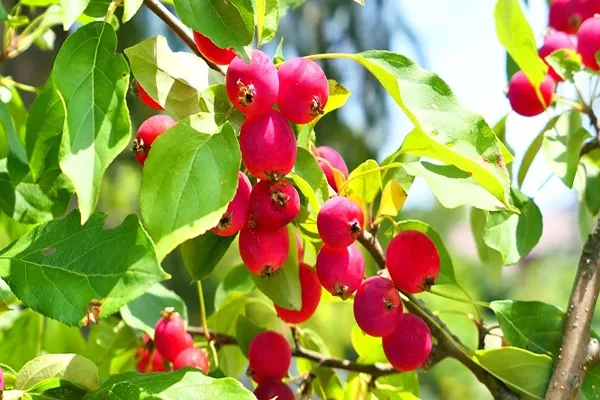
Fruit
Overview
The Radiant Red Crabapple is a hardy ornamental tree well suited to Colorado landscapes, prized for its vivid pink-red spring blooms and attractive upright form. It handles Front Range conditions reliably, offering strong cold tolerance, seasonal color, and a classic look that works well in both residential yards and larger landscape plantings.
Key Characteristics
- Mature Size: 15–20 ft tall | 15–20 ft wide
- Growth Rate: Moderate
- Form: Rounded to spreading canopy
- Flower Color: Bright red-pink (spring)
- Fruit: Small red fruit, moderately persistent
- Lifespan: 30–40+ years with proper care
Colorado Growing Conditions
Showy spring flowers with strong ornamental appeal
Good cold hardiness for Front Range winters
Performs well in residential landscapes when sited correctly
Compact size fits smaller yards and accent plantings
Planting Considerations
- Full sun required for best flowering and disease resistance
- Allow adequate airflow to reduce disease pressure
- Deep, consistent watering during establishment
- Annual inspection recommended for disease management
Common Problems
- Susceptible to apple scab and fire blight in wet years
- Leaf scorch during extreme heat or drought
- Benefits from proactive monitoring compared to newer cultivars
Best Use Scenarios
- Ornamental accent tree
- Front yards and small residential landscapes
- Locations prioritizing spring flower display
- Landscapes with active PHC monitoring programs
Related Services
Related Trees
Related Resources
When you want a professional opinion
The Root exists to help you understand your landscape. When a tree needs hands-on evaluation, a Great Western arborist can look at it in person.