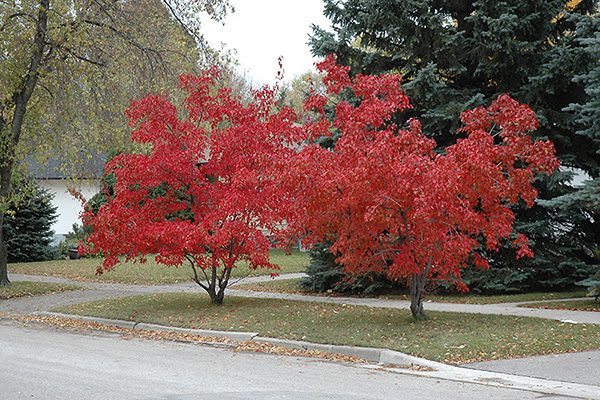
Amur - Ginnala Flame Maple
Amur Ginnala Flame maple is a small ornamental maple known for its compact size, dense branching, and brilliant red fall color. It performs well in Colorado landscapes, tolerating sun, cold, and urban conditions while providing seasonal color and structure in spaces where larger shade trees aren’t practical.
Quick specifications
- Mature Height
- 15–20 ft
- Mature Spread
- 15–20 ft
- Growth Rate
- Slow to moderate
- Sun
- Full sun to partial shade
- Water
- Deep but infrequent watering after establishment
- Hardiness
- 40+ years with proper care
- Genus
- Maple (Acer)
Identification
Species
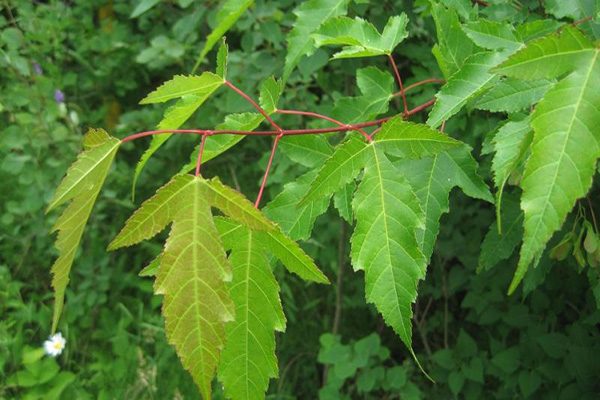
Leaf detail
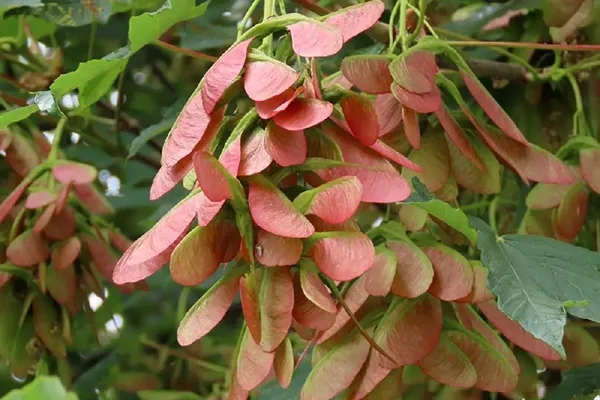
Structure
Overview
Amur Ginnala Flame maple is a small ornamental maple known for its compact size, dense branching, and brilliant red fall color. It performs well in Colorado landscapes, tolerating sun, cold, and urban conditions while providing seasonal color and structure in spaces where larger shade trees aren’t practical.
Key Characteristics
- Mature Size: 15–20 ft tall | 15–20 ft wide
- Growth Rate: Slow to moderate
- Form: Small tree or large multi-stem shrub, rounded
- Fall Color: Bright red to orange-red
- Lifespan: 40+ years with proper care
Colorado Growing Conditions
Excellent cold hardiness and wind tolerance
Handles alkaline soils better than most maples
Very adaptable to drought once established
Reliable fall color even in challenging sites
Planting Considerations
- Full sun to partial shade
- Can be trained single-stem or allowed to multi-stem
- Deep but infrequent watering after establishment
- Minimal pruning required beyond structure
Common Problems
- Occasional leaf scorch during extreme heat
- Minor chlorosis in very high-pH soils
- Generally low pest and disease pressure
Best Use Scenarios
- Small yards and tight spaces
- Under utility lines
- Windy or exposed Front Range sites
- Low-maintenance landscapes
Related Services
Related Resources
When you want a professional opinion
The Root exists to help you understand your landscape. When a tree needs hands-on evaluation, a Great Western arborist can look at it in person.